
The shelf has moved: how AI is changing the way consumers find wine
The way consumers find wine is changing. A decision that once happened in front of a shelf or with advice from a wine retailer can now start with a question typed into an AI platform.

· 3 min read
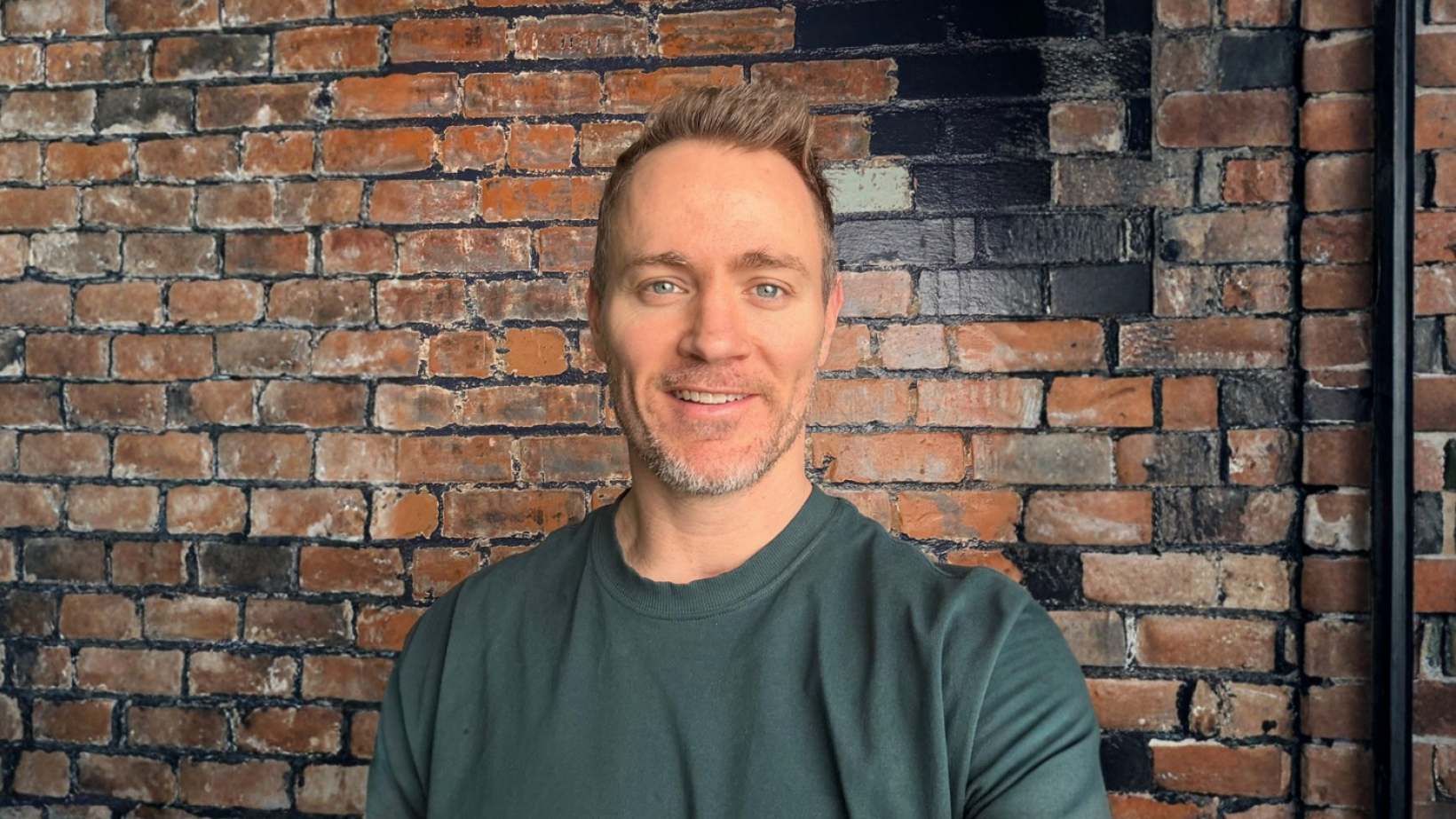
AI is changing wine discovery, as consumers increasingly ask for recommendations based on occasions, people and desired outcomes, not just price or cultivar. Jono Le Feuvre says wineries can use AI to analyse sales data, track changing customer behaviour and spot patterns, while remaining responsible for published content. AI can help identify where wines fit into consumers’ lives, but people must decide what makes them interesting.
Summary written by AI from this article. The full article is under “Deep dive”.
Listen to this article· 4 min
Passage 1 of 5
Read aloud by an AI voice. The words are the article’s own, nothing is summarised or translated.
According to wine communicator and HanDrinksSolo.com founder Jono Le Feuvre, artificial intelligence is changing how consumers discover and choose wine. Wine businesses, therefore, need to understand where their wines are being searched for and how they might appear in those conversations.
The change is particularly relevant when considering younger consumers and the growing use of AI platforms for shopping. Wine producers need to think about what happens when a consumer asks AI for a recommendation.
Consumers are also no longer necessarily searching with a simple product request. Instead of asking for a wine within a certain price range, someone might describe the occasion, the person they are buying for and what they hope the wine will achieve. That gives AI far more information to work with. It also raises a different marketing question for wine brands: what problem does your wine solve?
Brands need to understand the occasions and situations in which their wines might be relevant. One example is a wine that has become closely associated with Father’s Day. The wine itself was not necessarily designed around that occasion, but repeated association with it helped create a reason for consumers to consider buying it.
The lesson is that a wine need not be defined solely by its cultivar or tasting profile. It can also become associated with a moment in someone’s life.
Beyond the content generator
One of the strongest opportunities lies in using AI to interrogate existing business data. A winery with years of sales information can ask questions that would previously have required hours of manual work. Which customers have reduced their purchases? What did those customers use to buy? Which customers are growing, and are there patterns that could be repeated?
Looking closely at customers who have stopped buying or taken a break can be particularly valuable. AI can help identify buying habits and purchasing rhythms, giving a business a clearer picture of the people already within its customer base. From there, marketers can look for common interests and connections between those customers and other areas of their lives. The point is to use existing data to ask better questions about the business and its customers.
AI should not become the creative director
Jono describes AI instead as an “amazing intern”. It can do the work quickly, provide a starting point and process enormous amounts of information, but the responsibility for what eventually reaches the consumer remains with the person using it.
Consumers are already becoming tired of generic AI-generated content. The problem is not AI itself, but people forgetting that they are still responsible for what they publish. The answer is not simply to use AI to produce more wine captions. A more useful approach is to use the technology to better understand consumers, find patterns in existing business data and identify opportunities, while freeing up time for work that still requires people.
Knowing your own voice is particularly important. Someone who understands exactly how they write and communicate can give AI much clearer direction.
“Remember who you are so that AI never tells you who you are,” says Jono.
AI can help a business find its customers, understand their behaviour and identify where its wine fits into their lives. It can also help make better use of the information the business already has. But AI cannot decide what makes the wine interesting.
That part still belongs to the people who know the wine.
Find Jono’s YouTube channel here: https://www.youtube.com/@handrinkssolowineclub

More from
Markets, business and trade

Your questions answered: John Deere Financial
John Deere Financial understands that the wine and fruit farming industry comes with its own unique pressures. That’s why it offers practical, personalised financing solutions designed to work with the way your farm operates.

Hong Kong’s wine fair: What is in it for South African exporters?
As the Hong Kong International Wine & Spirits Fair prepares for its 2026 edition, South African producers have an opportunity to assess a market that offers more than local wine sales. But does Hong Kong still hold the same promise as a gateway to Asia?

A small but mighty global player
South Africa may not top the charts of global wine production, but its footprint on the world stage is far larger than its size suggests. According to 2025 data from the International Organisation of Vine and Wine (OIV) and the South African Wine Industry Information and Systems (SAWIS), the…