
What defines a world-class wine & food experience at Waterford Estate

· 5 min read
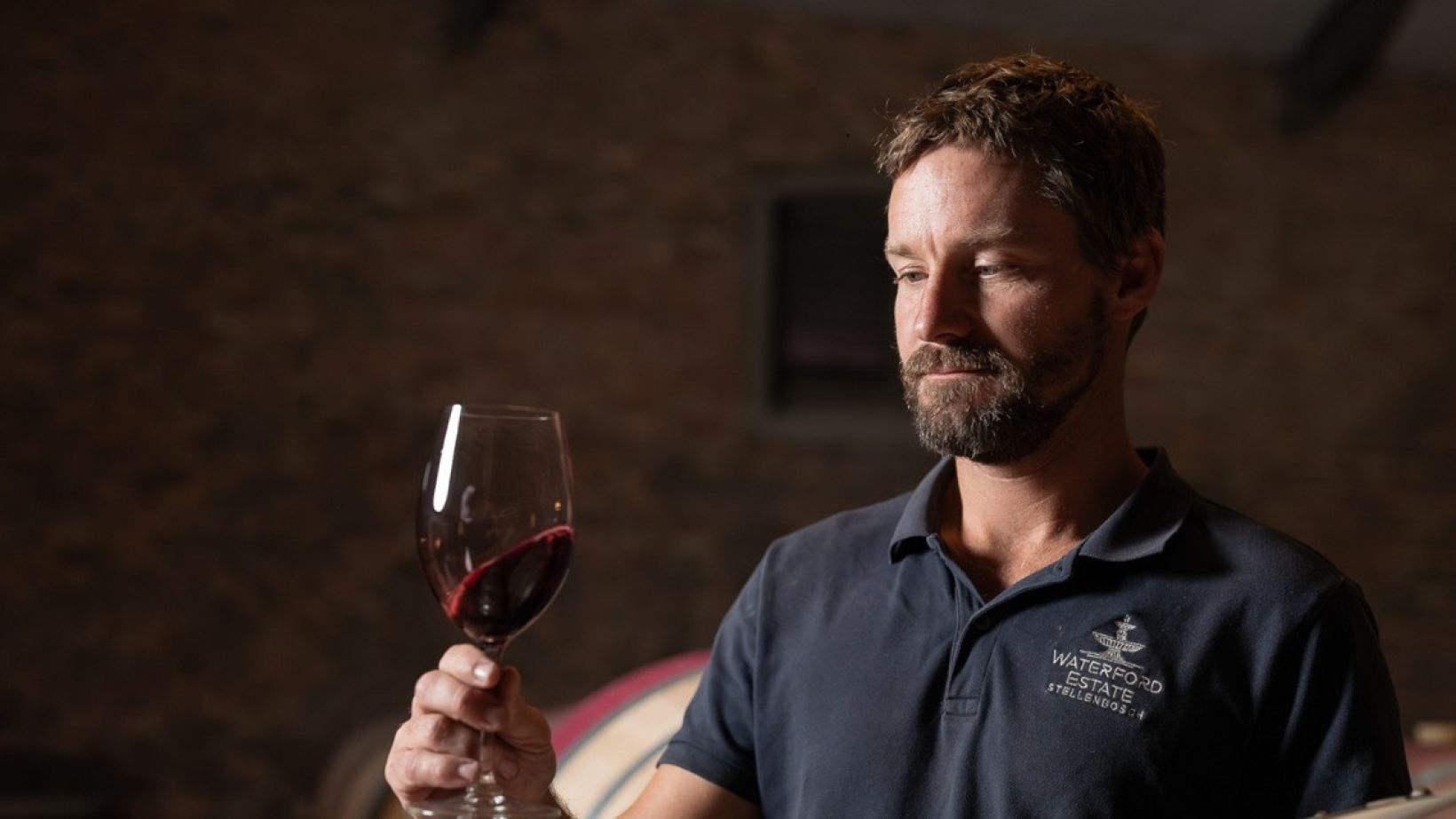
A great wine and food experience is never just about what’s on your plate or in your glass. At Waterford Estate, it starts with a strong sense of place, and it ends with something you can’t quite measure: a memory you want to take home.
When it comes to wine tourism, you want to offer guests something more than just ticking off another wine tasting. The challenge for estates is to create a distinctive experience while ensuring that the hospitality, food and setting complement the wine rather than overshadowing it.
Cellarmaster Mark le Roux at Waterford Estate believes it all begins with a deep connection to place. The tasting room, vineyards, Helderberg, architecture, cellar and garden should all contribute to an experience that could only happen at Waterford.
“The wines need to remain the hero,” he says, but the way they are presented also matters. The estate’s team is encouraged to share the stories behind the wines and their own connections with them, while keeping the conversation accessible rather than overly technical.
1. Start with what makes the place yours
Waterford Estate’s sense of place extends beyond the vineyard to the spaces visitors move through and the surrounding landscape.
The terroir story gives this a practical foundation. Mark identifies three important environmental influences on Waterford’s wines – weathered sandstone soils, north-facing slopes, and the estate’s altitude and proximity to the ocean.
The well-drained sandstone soils contribute to firm tannin structures and elegance, while the north-facing slopes provide sunlight that helps develop ripe tannins, texture and length. Don’t forget about those sea breezes that keep things fresh and add a savoury twist.
These details become more meaningful when visitors can connect them to the actual landscape. The word “terroir” then moves from just a word used during a tasting to something that can be seen and experienced.
2. Keep the wine at the centre
There is a temptation in wine tourism to add more information, more experiences, more food and more activities. Mark’s approach suggests that the better question may be what helps guests connect more meaningfully with the wine. “The key is knowing when to educate and when to simply let people enjoy the experience,” he says.
The Waterford team avoids overwhelming people with details and instead explains how their choices in the vineyard and cellar affect the wine you drink.
Wine knowledge can add value to a visit, but only if it remains accessible. The aim is for guests to leave having learnt something without feeling that learning was the whole point of the visit.
3. Pair with purpose, not a formula
Waterford’s food and wine pairings don’t stick to a single script. Sometimes the wine leads, sometimes it’s the dish. The most interesting pairings, Mark says, often come from the concept or technique that connects the two.
That approach puts discovery ahead of a simple list of ingredients that supposedly “match”. It also recognises that balance is more complex than relying on contrast alone.
A fresh, acidic wine, for example, doesn’t always balance out a sweet or super-rich plate. If the food overwhelms the wine, the result can be imbalance rather than harmony.
The useful takeaway is to know both sides of the pairing, spot any clashes, and give each match a real reason to exist.
4. Set the tone before the first sip
Service can slip through the cracks, especially when the wine and food are the obvious stars. At Waterford, the smallest touch often makes the biggest difference.
“Every guest who walks into Waterford Estate is met at our gates and welcomed in and shown to their table,” Mark says.
That first interaction sets the tone. Good hospitality is about making people feel looked after, not just served, Mark adds. Guests should feel genuinely welcomed, not just formally received. “We aim to make you feel at home in our home.”
It might seem like a small gesture, but it illustrates a broader point for estates. The visitor experience starts well before the wine is poured.
5. Give guests a story to take home
If the goal is to help visitors experience an estate rather than simply visit it, taking them into the landscape makes sense.
Waterford’s Wine Drive Safari and Porcupine Trail Wine Walk offer guests access to parts of the property they would not generally see. The experiences follow paths used by the cellar and vineyard teams and provide a closer look at the environment in which the wines are made.
Mark has a particular fondness for the Porcupine Trail, which takes visitors through the kloof and into areas more familiar to the vineyard team. “It’s a reminder that we are here to work with nature, not against it,” he says.
Maybe that’s the real secret behind Waterford’s approach. Truly memorable wine tourism doesn’t compete with the wine – it strengthens it. When the landscape, people, food, and hospitality support the estate’s identity, they give visitors more ways to understand what is in the glass.
South African wine estates don’t need to pile on more activities or distractions. The stronger approach may be to find ways to make the existing experiences tell the estate’s story.

More from
Markets, business and trade

Paris is calling. Again.
Wine Paris has become one of the important dates on the global wine calendar. For South Africa, being there matters. But being there with a plan matters more.
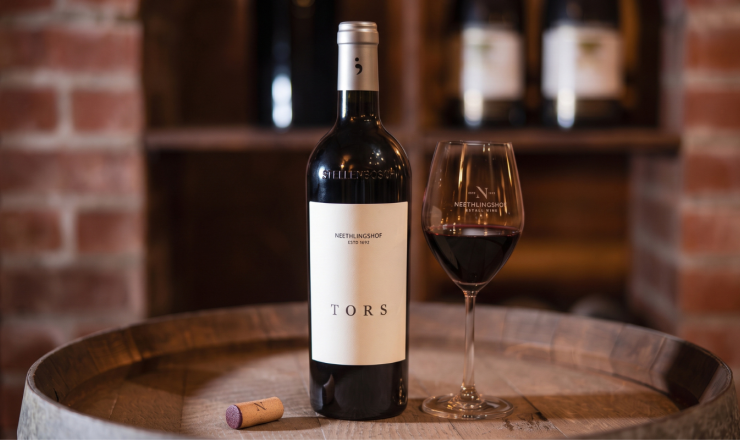
Neethlingshof debuts flagship red 'TORS' with Absa Cape Blend Top 6 Win
Neethlingshof Estate has introduced its flagship red, TORS, marking its debut with a win at the Absa Cape Blend Top 6 Awards for its maiden 2024 vintage. Crafted as the estate’s pinnacle expression, TORS was developed for fine wine collectors seeking a micro-vinified Stellenbosch blend shaped by site specificity and low-intervention winemaking.

The shelf has moved: how AI is changing the way consumers find wine
The way consumers find wine is changing. A decision that once happened in front of a shelf or with advice from a wine retailer can now start with a question typed into an AI platform.