
What happens on farms may hold the key to the future of South African vineyards
South African wine producers have access to more climate data than ever before. Weather stations, satellite imagery, forecasting models and farm records are all adding to the picture. A recent South Africa Wine and TerraClim Fireside Chat focused on another important source of information: the…

· 4 min read
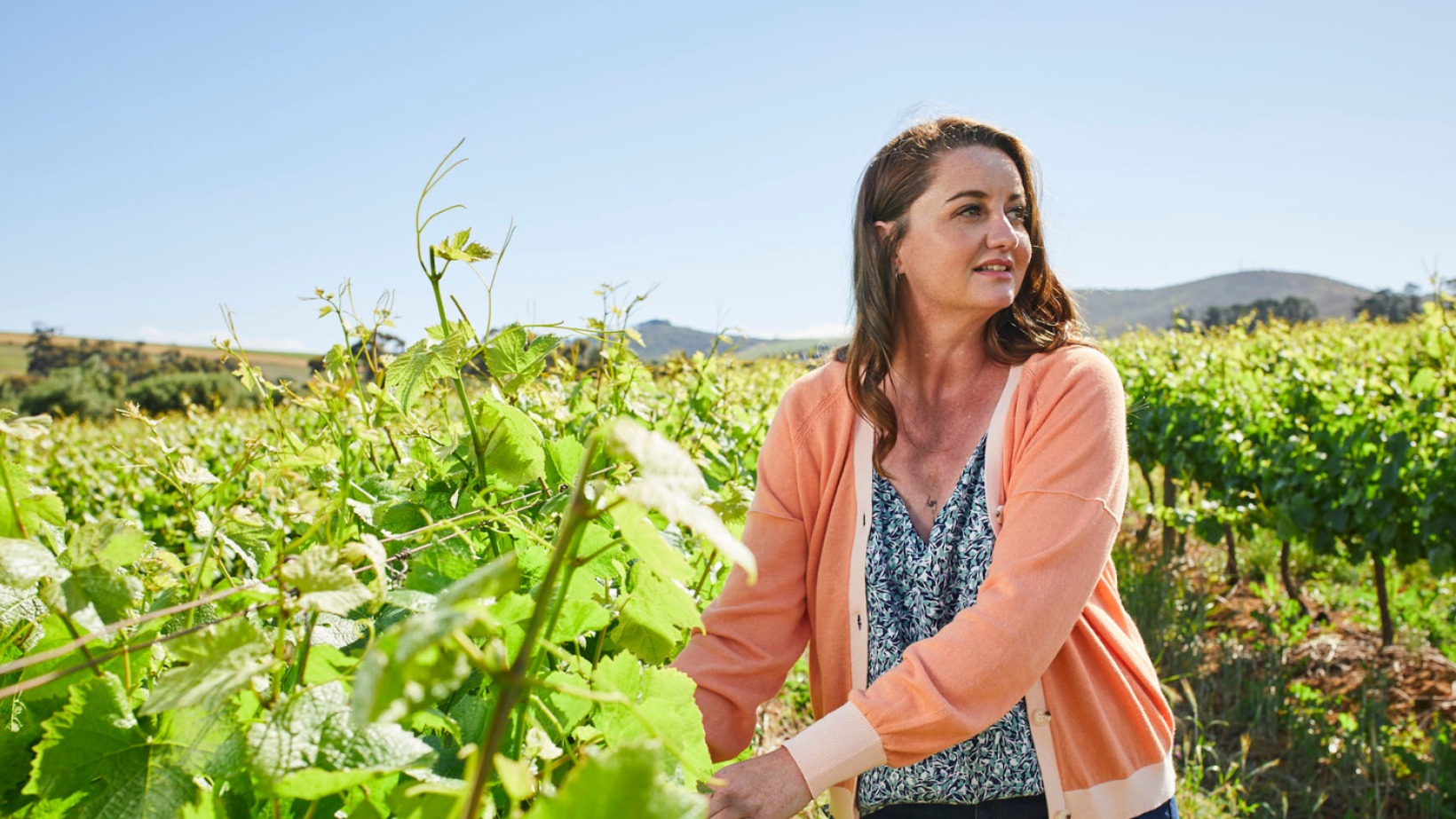
Facilitated by wine communicator Jono Le Feuvre, the conversation brought together Dr Tara Southey of TerraClim, viticulturists Marko Roux, Heinie Nel and Isabel Habets, and winemaker Ken Forrester. The discussion focused on how climate information can support vineyard decisions and why more information needs to be recorded at farm level.
One of the strongest messages from the discussion was the need to record more of what is happening in vineyards. Regional climate data provides an important overview, while farm-level observations add detail. Flowering and harvest dates, soil conditions and irrigation records can help build a better understanding of how a particular vineyard is responding to its environment. Much of this knowledge already exists with the people working on farms. A producer may know that one block is warmer than another, or that a particular variety tends to ripen earlier. These observations become more useful when they are recorded consistently over several seasons.
The discussion encouraged producers to start with the measurements that are most relevant to their own vineyards. Even simple records of flowering and harvest can become useful when collected over time. The same applies to weather stations. A rain gauge needs to be maintained and kept in good working order if the information it provides is going to remain useful. Consistent observations help build the long-term record needed to understand what is happening in a particular area.
This led to the idea of the “citizen scientist”. Farmers and vineyard teams are already observing their land every day. Recording those observations gives them a way to contribute to a much broader understanding of South Africa’s wine-growing environments.
The discussion also focused on bringing different sources of information together, including soil and phenology data. These observations can help test the models and algorithms being used to understand climate and site conditions. The value grows when information is collected consistently across different farms and regions. It becomes possible to compare what is happening in different environments and build a more detailed picture of how vineyards are responding.
TerraClim brings climate, terrain and soil information together to provide a detailed view of conditions across wine-growing areas. This can help users investigate differences between regions, farms and individual vineyard blocks. The quality of this information depends on what goes into the system. Better observations from the vineyard can strengthen the information available for decision-making. The importance of good data becomes particularly clear when considering how long a vineyard can remain in production.
Planting a vineyard is a long-term investment. A block planted today may still be producing grapes decades from now, while the climate and conditions around it may change considerably during that period.
The panel discussed the importance of considering site conditions when making long-term decisions such as cultivar selection. Climate information can form part of that process by providing a clearer understanding of the conditions a site offers.
Experience remains an important part of the process. People who have worked a particular farm for many years understand its conditions that cannot simply be captured in a dataset. Recorded observations can add to that knowledge and provide evidence that can be revisited over time.
The discussion also considered the value of sharing information across the industry. A larger industry dataset can help with benchmarking and understanding how cultivars perform across different environments. When information from individual farms is brought together, patterns can emerge that may not be visible from one property alone. That requires producers to contribute their information to the wider pool. Data can be anonymised while still providing useful information for research and industry planning.
The same principle applies to digital tools and AI. These systems depend on the quality of the information used to build and train them. If farm-level data is incomplete or inconsistent, there is a limit to what technology can tell us.
The wine industry is already thinking about what its vineyards will need in the decades ahead. Climate models can help explore possible futures, while long-term farm records can tell us what is happening in vineyards over time.
A flowering date recorded this season may seem like a small piece of information. When the same observation is recorded year after year across different vineyards and cultivars, it becomes part of a much more useful dataset. The industry cannot go back and record what was missed in previous seasons. What producers choose to measure and record now will become part of the evidence available to the next generation of vineyard decision-makers.
The message from the Fireside Chat was practical: start recording what matters on the farm, keep doing it consistently and make better use of the information that is already being collected. Over time, those records can help the industry understand its vineyards in greater detail and make better decisions about their future.

More from
Markets, business and trade
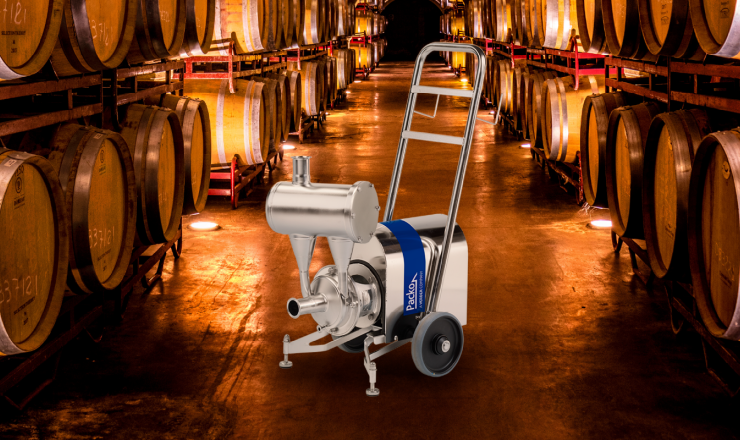
Rethinking wine transfer: Why centrifugal pumps deserve a second look
In the pursuit of premiumisation, proper pump selection can make all the difference.
How to build a diversified wine business in South Africa: 5 practical lessons
Building a wine business has never been simple. Today, it comes with even more moving parts. Consumers are drinking more thoughtfully, export markets are competitive, and relying on a single category is becoming increasingly risky. So what does it take to build something that lasts? Cape Wine…
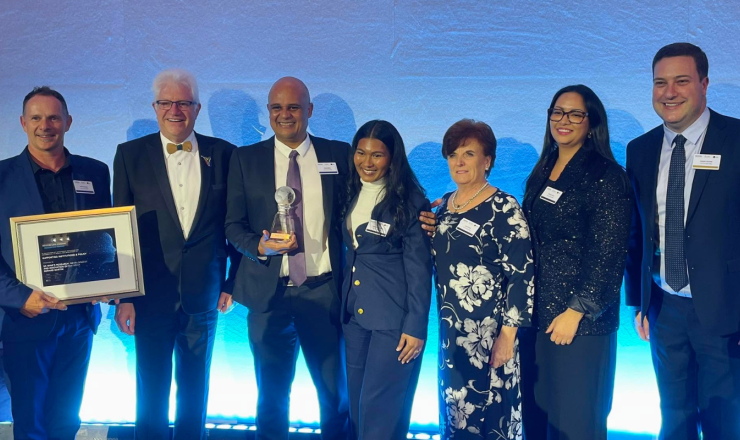
How research is changing the wine we drink
Wine research starts long before the bottle reaches the shelf. It gives producers a better understanding of what happens in the vineyard and cellar, while providing evidence for decisions that can affect the wine consumers eventually drink.