
Wine insights from Japan
The annual Judges’ Feedback Session is an integral part of The Investec Trophy Wine Show. It follows three and a half days of judging and offers insights from a panel of international wine experts, including Oz Clarke OBE (UK), Heidi Mäkinen MW (Finland), and Kenichi Ohashi MW (Japan).
· 4 min read

The annual Investec Trophy Wine Show’s judges’ feedback session always delivers a wealth of insight on the wine industry. Led by the chairman of the judges, Michael Fridjhon, the panel’s feedback provides a glimpse behind the scenes from both local and international perspectives.
This year, the star-studded panel included Kenichi (Ken) Ohashi, a wine and sake expert based in Tokyo, Japan. In 2015, Ken was the first resident Japanese national to obtain the Master of Wine title from the Institute of Masters of Wine. He is also a certified Sake Expert Assessor – the highest qualification offered by the National Research Institute of Brewing Japan (NRIB).
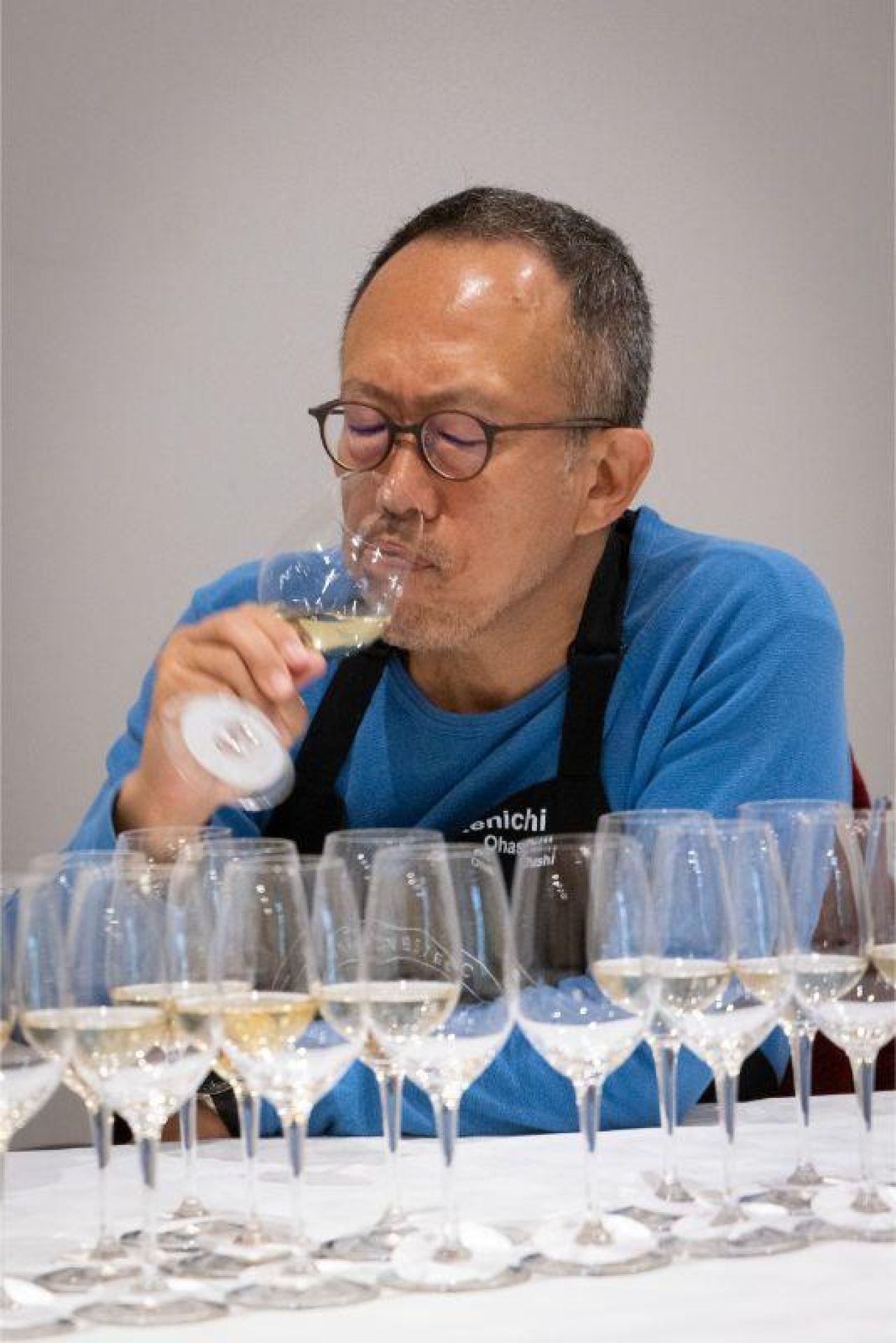
Local knowledge
Although Kenichi has had plenty of experience tasting South African wines, serving on the Nederburg Auction selection panel several times, tasting for the Trophy Wine Show this year helped deepen his understanding of the local regions and styles. “This visit has certainly brought important nuances to my understanding,” he says.
Kenichi says the Japanese market’s perception of South Africa as a destination is strongly influenced by the image of Africa. When it comes to our wines, they’re thought of as plump and ripe – but with an important distinction. “Even at relatively high alcohols such as 14.5%, the perceived alcohol levels are very low. We cannot taste it.”
He was particularly impressed by one exceptionally well-balanced Syrah, with an ABV of 12%. “The same wine from Napa or even Northern Rhône would have tasted very differently, more linear. This is very mysterious to me! Something seems to be contributing to a perception of lower alcohol.”
According to Kenichi, South African wines also exhibit a delicacy and “rusticity” that pair particularly well with Japanese dishes, where umami taste is an important dimension. “Most of New World wine is very ripe, fruit-driven, but without savouriness, which is an essential component for our palate. South African Syrah, Cabernet Sauvignon, Merlot and Chenin Blanc offer that savoury, saline sensation.”
The Japanese market
Japan’s per capita wine consumption is only about 3.2 litres per year, and the market tends to follow classic European trends. This has led to preferences among its tastemakers for traditional red, white, and sparkling wines, while easy-drinking wines such as rosé have lagged behind. “Rosé is mostly a lifestyle wine,” Kenichi says. “It also tends to be lower quality and lacking acidity, which means we have to be careful about selecting very serious rosé wines. But that’s changing. The category is starting to grow along with a greater appetite for commodity wines.”
The demand for domestic wines has also been growing, especially since the COVID pandemic. “Ten years ago, there were fewer than 200 wineries in Japan. Nowadays, the figure is over 500. People are more interested in good-quality Japanese wines. Of course, our land surface is limited, and the production volumes are very small.”
This growth underscores the value of local knowledge and collaborations. Since over 98% of the country is Japanese, local consumers often cannot read English, let alone Afrikaans, so localisation is crucial – not only for written text, but also for label design, packaging and capsules.
Kenichi himself exports sake worldwide and relies on collaboration to address his markets. “My strategy is to connect with foreign companies that produce top-quality wines. This way, my sake is automatically associated with a trusted brand.”
Sake lessons
Sake (fermented rice wine) is gaining popularity worldwide, and Kenichi is a well-known speaker and lecturer on this traditional Japanese beverage. The challenges often mirror those in the wine industry, characterised by reduced local consumption amid greater foreign competition.
The comparison between wine and sake also extends to taste. “The skill for tasting sake is very similar to assessing wine,” Kenichi says. “There are important sensory and taste differences between the beverages – balance, intensity, concentration, complexity and so on – but the skills are transferable. We value purity and a shorter finish with laser precision.”
Sake commonly has a residual sugar level of 10-15 g/L, which also influences Japanese taste palates. “Most quality sake producers really love Alsace Grand Cru and French Chenin Blanc, which have similar sugar levels.”
At the feedback session, Kenichi spoke highly of a refined style of Pinotage, which can play an anchoring role in building a positive perception of South African wine. “Pinotage is one of the top appealing varieties for us,” he says. “When producers manage to get the controlled rusticity in their Pinotage, it’s a unique selling point to your own wines in our growing market.”

More from
People, community and tourism
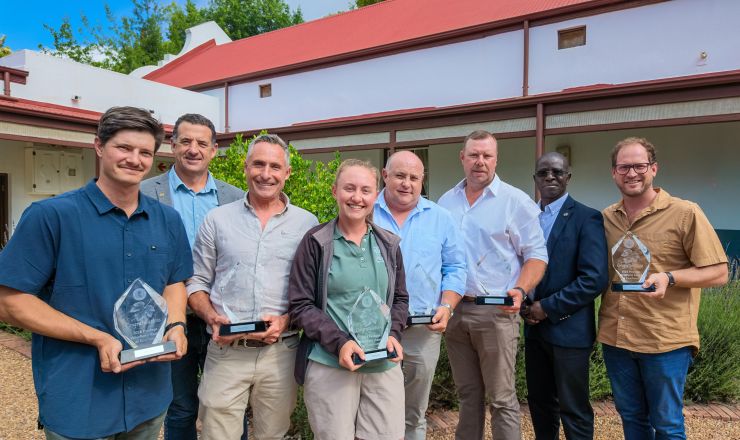
Pinotage Association honours vineyard professionals
The first Pinotage Viticulturist Award of Excellence was presented to six recipients on Wednesday, 11 November 2026, at the Stellenbosch Institute for Advanced Study (STIAS), during the inaugural Wine Think Tank Conference.
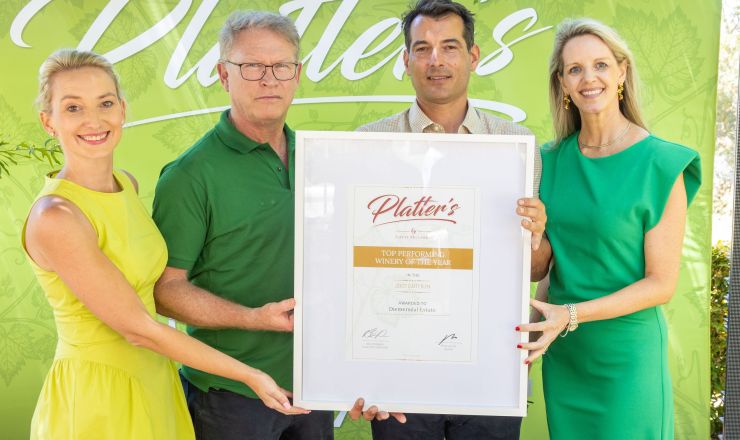
B4I Wineries announces Platter’s acquisition at the 2027 Guide launch
The B4i Project group of companies announced its subsidiary, B4i Wineries, has acquired 100% of the shares in John Platter SA Wine Guide from Diners Club. The formal ownership announcement was made at the launch of Platter’s South African Wine Guide 2027 at Diemersdal Wine Estate in Durbanville.
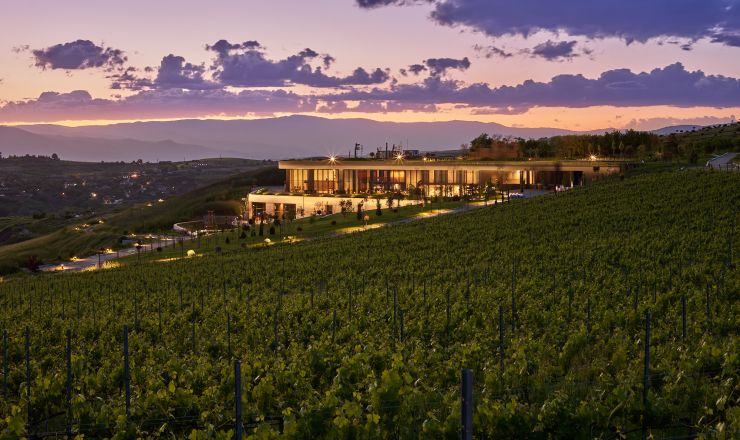
World's 50 best vineyards announced
The 50 Best Vineyards 2026 has unveiled its annual ranking at Viña Don Melchor in Santiago, Chile, with Schloss Johannisberg in Rheingau, Germany taking the top spot. The awards ceremony celebrated outstanding vineyards from 15 destinations across six continents, recognising excellence in wine, hospitality and visitor experience.