
How research is changing the wine we drink
Wine research starts long before the bottle reaches the shelf. It gives producers a better understanding of what happens in the vineyard and cellar, while providing evidence for decisions that can affect the wine consumers eventually drink.

· 4 min read
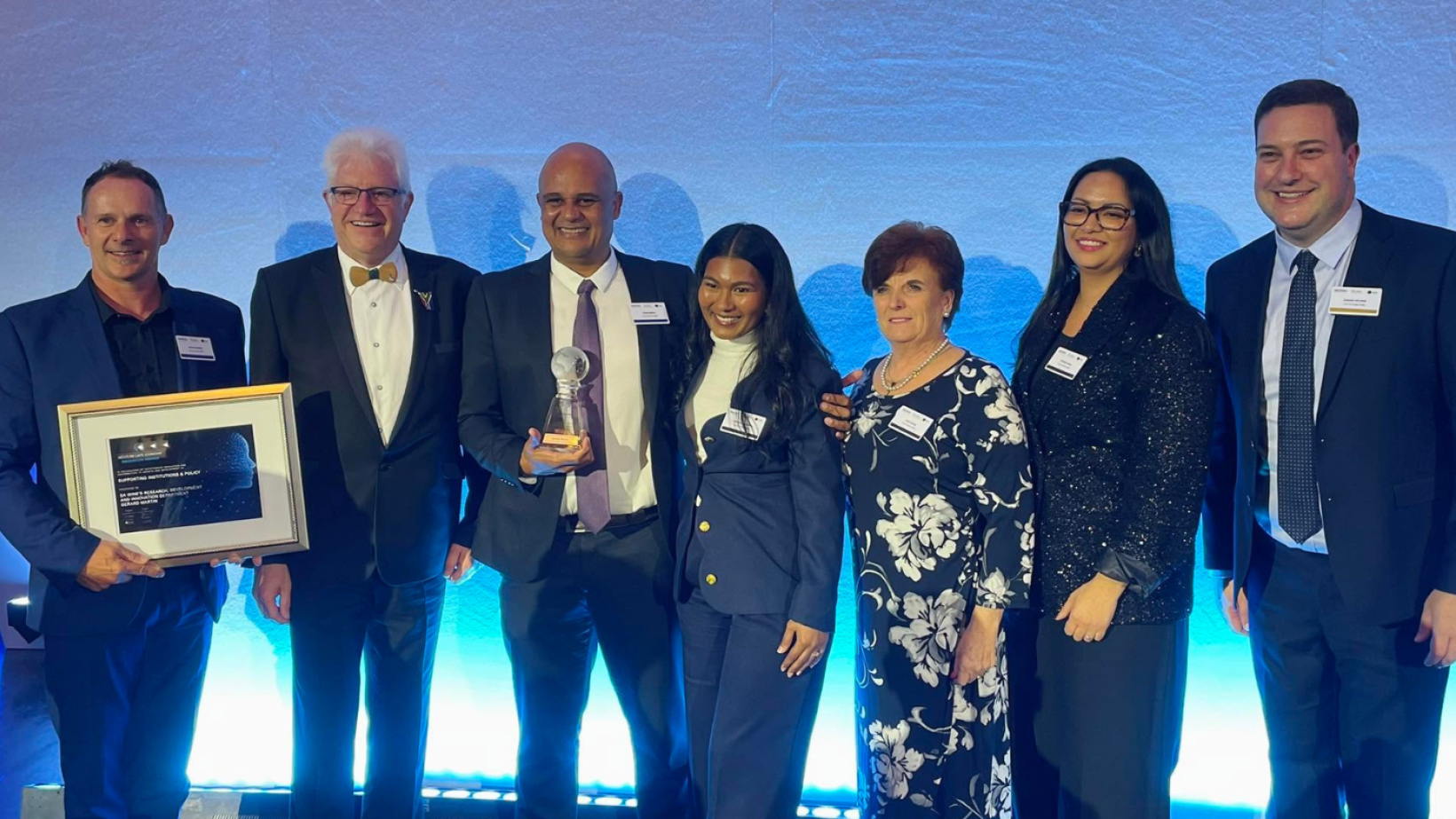
Chandré Davey says research into grape-growing and winemaking fundamentals helps producers make informed choices, from matching cultivars to sites to managing fermentation. South Africa Wine RDI-funded cellar projects have examined aroma profiles, phenolics, Pinotage cold skin contact and yeast, while other work addresses climate adaptation, water efficiency, soil health, pest management, energy and waste. Though largely unseen, research can shape wine quality, styles and future availability.
Summary written by AI from this article. The full article is under “Deep dive”.
Listen to this article· 6 min
Passage 1 of 7
Read aloud by an AI voice. The words are the article’s own, nothing is summarised or translated.
Chandré Davey, RDI Knowledge Transfer Coordinator at South Africa Wine, says some of the most important research focuses on the fundamentals of grape growing and winemaking.
“The research with the greatest influence is not always a single breakthrough, but research that addresses the fundamentals of grape growing and winemaking,” Chandré says.
Research into cultivars, vineyard management, soil and water, plant material, pests and diseases, fermentation, yeast, wine chemistry and sensory quality all contribute to the wine that reaches the consumer.
There is also a growing focus on site suitability, typicity and terroir. Understanding which cultivars perform best in different wine-growing regions can help producers make decisions suited to their conditions. TerraClim is one example. The South Africa Wine research-funded project was commercialised to make climate information more useful for decision-making.
Consumer preferences also form part of the research agenda. Interest in wines that are more sustainable, lower in alcohol, fresher in style or made with fewer inputs is creating new questions for the industry.
Understanding the vineyard and cellar
Research can help explain why wine quality varies and how producers can manage that variation. In the vineyard, this includes work on terroir, soil, water availability, canopy management, irrigation and disease management.
“Research does not tell a producer what to do,” Chandré says. “It gives the scientific evidence behind decisions, allowing producers to make more informed choices for their vineyards and wine styles.”
This is particularly relevant in South Africa, where wine is produced under very different conditions. Understanding how a cultivar interacts with its site and climate can help producers make better decisions around vineyard management and wine style.
South Africa Wine RDI-funded research has also explored specific questions in the cellar. Projects have included aroma wheels to classify the styles of certain cultivars, phenolic research aimed at improving wine quality and balance, and Pinotage cold skin contact to produce higher-quality wines with a different phenolic and aroma profile.
Research into Sauvignon Blanc yeast selection has examined its role in producing fruity, varietal, and green styles. Work on yeast nutrition has examined how fermentation aroma can be steered, while research on non-Saccharomyces yeasts has explored their potential to add aromatic complexity.
Researching wine’s future
Climate has a direct effect on the final product. South African wine regions are already experiencing higher temperatures, changing rainfall patterns, drought, water scarcity and more frequent extreme weather events.
“Research helps the industry understand these changes and develop ways of adapting,” Chandré says.
The decisions made now could affect the wines available to consumers in 10, 20 or 30 years. Some cultivars may become more important, while certain regions could become better suited to particular styles. Winemakers may also adapt their techniques as conditions change.
The wines consumers drink in the future could therefore differ from those produced today.
Sustainability in practice
Sustainability is another area where RDI research has a practical role. Any new approach needs to work for the producer while maintaining grape and wine quality.
Water-use efficiency is an important area of research, particularly following a drier winter and with the possibility of a dry summer ahead. Precision irrigation and a better understanding of vine water requirements can help producers use water more effectively.
Research is also looking at soil health and practices that improve soil structure and water retention. Work on pest and disease management includes biological alternatives to certain chemical inputs. Energy efficiency and renewable energy are also being investigated.
The industry is looking at ways to reduce waste and make productive use of winery by-products. Lighter packaging and alternative packaging formats can also help reduce the carbon footprint associated with wine.
“The ultimate goal is to use these resources intelligently while maintaining or improving the quality and economic viability of South African wine,” Chandré says.
Where research reaches the consumer
Much of this work happens long before a consumer opens a bottle, but its results can eventually be experienced in the glass.
“When research improves water efficiency, the consumer may not see the irrigation system in the vineyard, but they benefit from a more resilient industry. When research improves fermentation, the consumer simply experiences a better glass of wine.”
Research also plays a role in ensuring South African wine remains available as growing conditions change. The work underway now could affect the wines that consumers will have access to in the future.
“Wine is an agricultural product, and therefore wine quality begins long before the bottle reaches the shelf,” Chandré says.
Behind the wine are years of research into how vines grow and how different winemaking choices affect the final product. For the consumer, research eventually becomes something much simpler: the wine in the glass.

More from
Markets, business and trade

Paris is calling. Again.
Wine Paris has become one of the important dates on the global wine calendar. For South Africa, being there matters. But being there with a plan matters more.
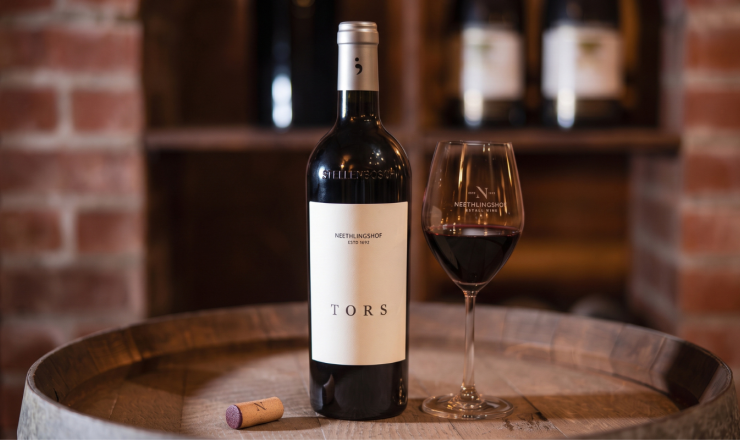
Neethlingshof debuts flagship red 'TORS' with Absa Cape Blend Top 6 Win
Neethlingshof Estate has introduced its flagship red, TORS, marking its debut with a win at the Absa Cape Blend Top 6 Awards for its maiden 2024 vintage. Crafted as the estate’s pinnacle expression, TORS was developed for fine wine collectors seeking a micro-vinified Stellenbosch blend shaped by site specificity and low-intervention winemaking.

The shelf has moved: how AI is changing the way consumers find wine
The way consumers find wine is changing. A decision that once happened in front of a shelf or with advice from a wine retailer can now start with a question typed into an AI platform.