
No, we don't make the rules
· 4 min read
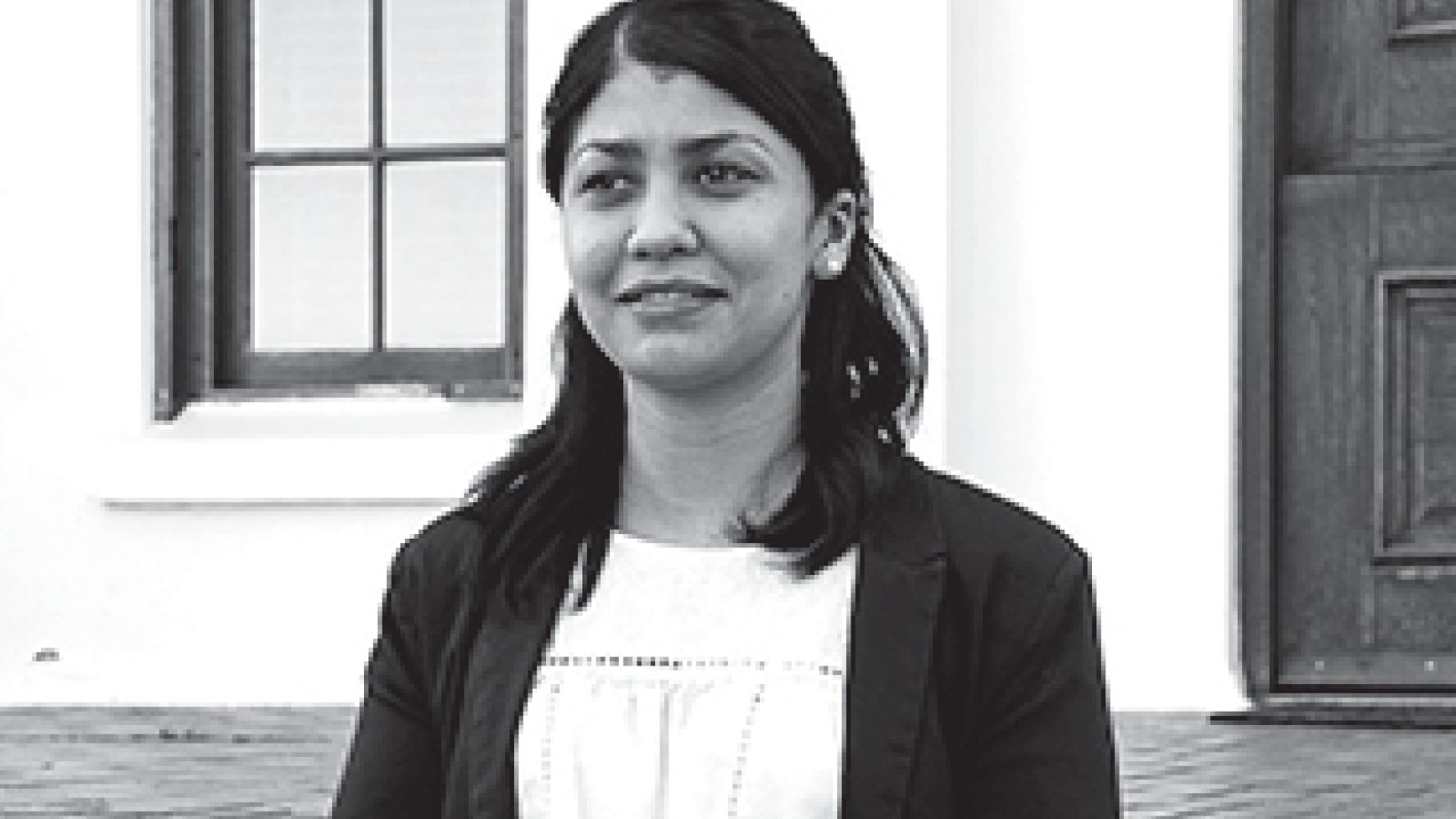
The Wine and Spirit Board has exciting tools to help you discover a wealth of knowledge about the wines you enjoy. And no, they don’t make the rules – they just apply them!
Wine and Spirit Board (WSB) secretary Olivia Poonah has a tough job. South Africa’s wine industry is governed by strict legislation, such as the Liquor Products Act, Liquor Act and Western Cape Liquor Act, as well as a host of health-warning regulations.
As a statutory body the WSB is mandated to implement some of the legislation that governs the industry, but it doesn’t make the rules. “People tend to think we’re a bunch of dinosaurs, but that’s really not the case,” Poonah says.
Anyone can check the origin of a wine that’s certified as being produced in South Africa at the WSB’s free online portal, www.sawis.co.za. The WSB prides itself in providing a unique system to trace the production of South African wines, Poonah says.
Recently a caller from America wanted info about a South African wine and thanks to the WSB’s system Poonah could immediately tell the person where the wine came from, from which vineyard it was produced, what the grape harvest was like in the year of production and how much of the wine had been sold. She says the WSB system’s ability to trace and authenticate wines is “light years ahead” of any other wine sector in the world. “Consumers all over the world want to be informed. They want confirmation that the value proposition they’re buying into is really what it says it is.”
This is increasingly the case in a sector that encompasses not only still wines, but also fortified wine, sparkling wine, wine for brandy, distilling wine, grape juice concentrate, grape juice, and private and production cellars. The WSB’s certification process for origin, variety, vintage year and environment-friendly production tracks this industry from the point of grape production to the wine being pressed, blended, bottled and eventually sold.
Poonah believes that, contrary to complaints from some industry role players, the wine sector in South Africa is not overregulated. The legislation that the WSB applies offers protection for all involved, in her opinion.“Regulations provide everyone with protection against exploitation and protect the integrity of the industry,” she says.
Poonah says the WSB needs to constantly evolve as it acts as a link between the industry and legislation. “A system involves people, and how the system takes shape relies on how people interact with it,” she says.
The WSB has set up processes and procedures for role players to interact with it. The board comprises ad hoc working groups and various committees such as the audit and legal committees. The technical, label and demarcation committees all feed into the structure’s management committee which, together with the secretariat, make up the board.
“There are many misconceptions about the WSB and what it does,” Poonah says. She wants to clear up these misconceptions and change consumers’ perception so they regard it as a 21st century resource. “The WSB is determined to be a vibrant and viable part of the wine industry.”
Say what?
The WSB website has a handy trilingual Afrikaans/English/IsiXhosa dictionary for the wine industry. Next time you’re at a wine tasting impress your fellow tasters with one of these terms:
Nose – neus – joja • Wine bottle – wynbottel – ibhotileyewayini • Aroma wheel – aromawiel – ivililevumba • Sophisticated – gesofistikeerd – nqabile(yo) • Cigar box aroma – sigaarboskaroma – ivumbalebhokisiyecuba • Tasting – proe – ungcamlo • Horizontal tasting – horisontaleproe – ungcamlo lwewayini enye yendawo ezohlukeneyo • Tasting panel – proepaneel – igqizalokungcamla • Cooling tower – koeltoring – itankilokubandisa • Settling enzyme – afsakensiem – izithambisizozinziso • Alcohol acetate transferase – alkoholasetaat-transferase – isithwali-mfuzo sokudlulisa utywala • Nasal fatigue – nasale uitputting – ukudinwakwempumlo
For more terms, definitions and translations go to www.sawis.co.za/dictionary.
How to check the origin of a South African wine
To check the origin of a certified South African wine, go to www.sawis.co.za. For more info about a bottle of wine click on the seal or “A” number search panel on the left of the home page and enter the code in the space provided. Alternatively, hover your mouse over the Certification tab on the home page, click on Certified Wine Search and select the vintage, time period of certification and variety. And voilà! You’ll find all the info you need.

More from
Markets, business and trade

Paris is calling. Again.
Wine Paris has become one of the important dates on the global wine calendar. For South Africa, being there matters. But being there with a plan matters more.
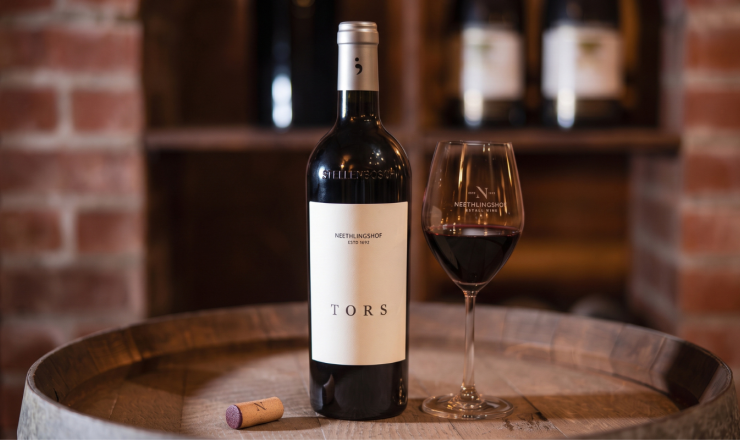
Neethlingshof debuts flagship red 'TORS' with Absa Cape Blend Top 6 Win
Neethlingshof Estate has introduced its flagship red, TORS, marking its debut with a win at the Absa Cape Blend Top 6 Awards for its maiden 2024 vintage. Crafted as the estate’s pinnacle expression, TORS was developed for fine wine collectors seeking a micro-vinified Stellenbosch blend shaped by site specificity and low-intervention winemaking.

The shelf has moved: how AI is changing the way consumers find wine
The way consumers find wine is changing. A decision that once happened in front of a shelf or with advice from a wine retailer can now start with a question typed into an AI platform.