
Wine’s next big innovation might not come from wine
The global market for beverage and liquid food machinery is worth R829.02 billion. As SIMEI prepares to open in Milan in November, new figures suggest that packaging, automation and technologies shared across industries could change the next chapter of winemaking.
· 4 min read
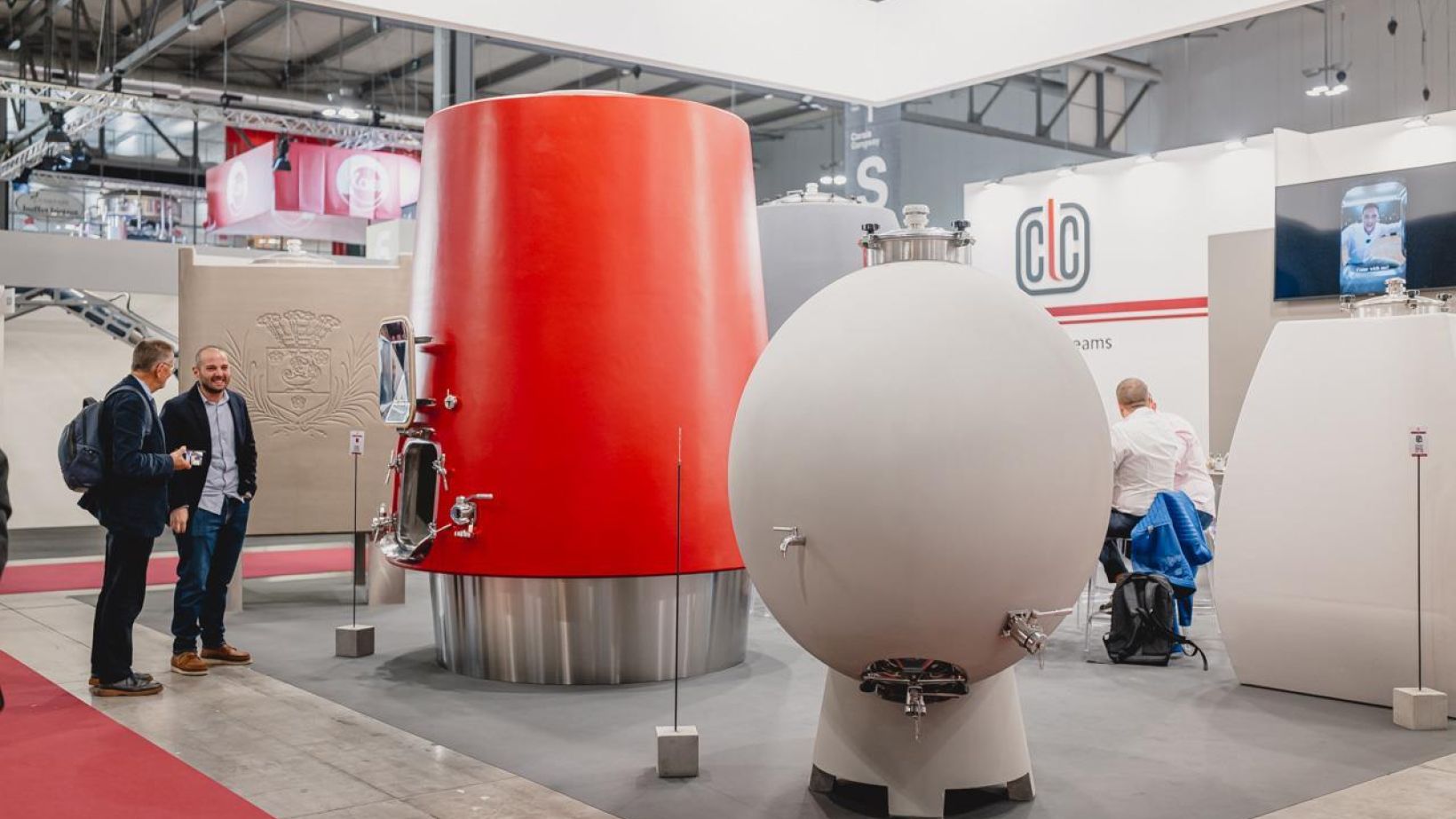
What does the future of wine production look like? More efficient cellars? Smarter packaging lines? Or technology borrowed from industries that have little to do with wine?
These are some of the questions worth asking as the international wine and beverage technology industry prepares to gather at SIMEI 2026, taking place from 17 to 20 November at Fiera Milano in Italy.
New research released ahead of the exhibition puts the global market for beverage and liquid food processing and packaging machinery at R829.02 billion. Italy accounts for approximately 21% of that market, but its influence in wine technology is considerably greater.
According to research by the Manufacturing Economic Studies (MECS), Italian manufacturers account for 47% of the global wine machinery market and an impressive 60% of the wine packaging machinery market.
For South African wine producers, the figures offer a useful perspective on where technology investment is heading, particularly at a time when production costs, efficiency and competitiveness remain pressing concerns.
Packaging is moving faster than processing
The global market for wine processing and packaging machinery was valued at approximately €2.6 billion (R48.4 billion) in 2025. Of that, €2.03 billion (R37.8 billion) came from processing equipment, while packaging machinery accounted for €572.6 million (R10.7 billion).
But the two segments are not growing at the same pace. Wine processing machinery is forecast to grow by an average of just 0.7% annually between 2026 and 2030, reaching approximately €2.1 billion (R39.1 billion). Packaging technology, meanwhile, is expected to grow by 2.2% annually, reaching €638.4 million (R11.9 billion) by 2030.
It is a distinction worth watching. For producers considering their next equipment investment, stronger growth in packaging suggests an area that will continue to attract technological development. Whether that translates into better efficiency, greater flexibility, or lower operating costs will depend on the solutions themselves, but it’s a distinction worth watching.
For producers considering their next equipment investment, stronger growth in packaging suggests an area that will continue to attract technological development. Whether that translates into better efficiency, greater flexibility, or lower operating costs will depend on the solutions themselves.
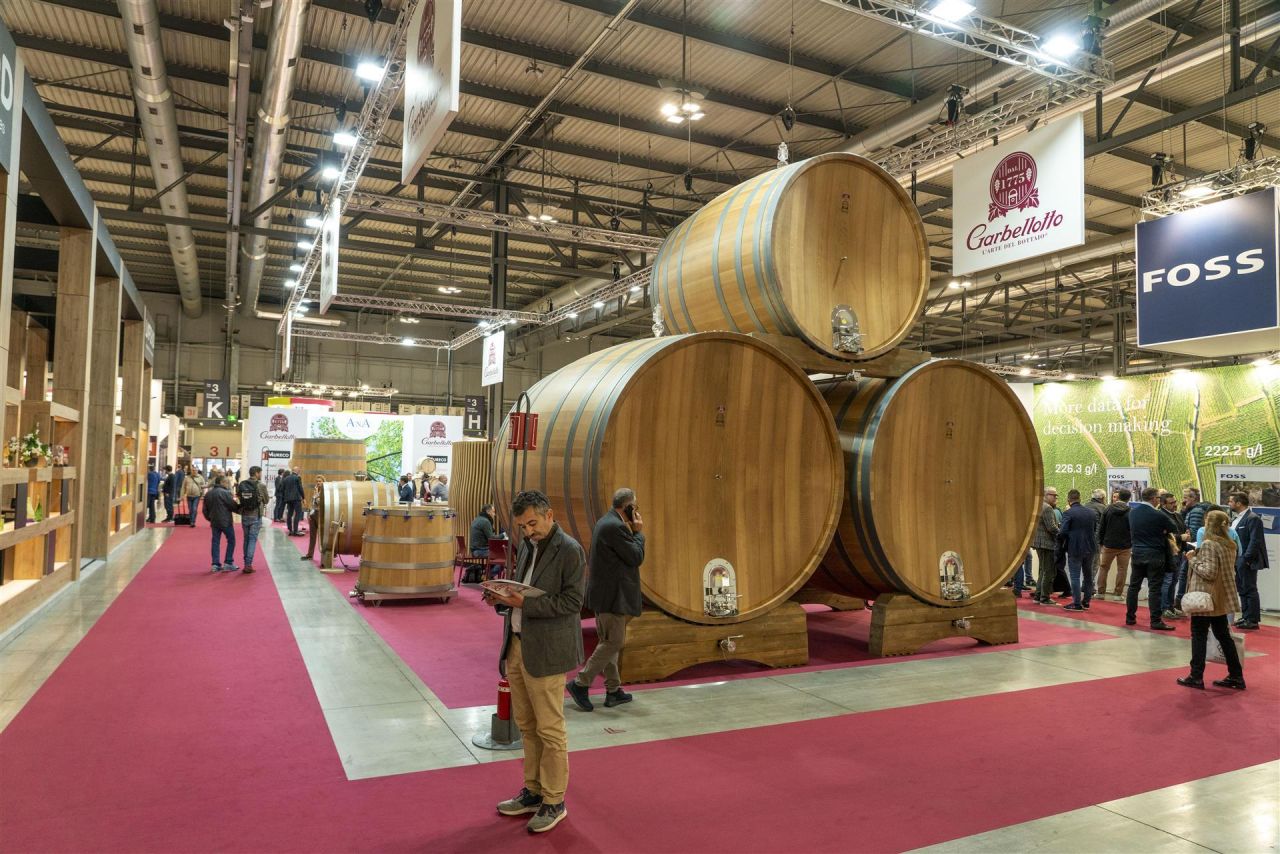
Wine technology is no longer just about wine
One of the most significant developments at SIMEI this year is the introduction of Bevertech, a new exhibition developed with Ipack Ima. While SIMEI traditionally focuses on wine, beer, spirits and oil, Bevertech extends the conversation to soft drinks and liquid food production.
Together, the two exhibitions represent technology markets worth R829.6 billion.
Why does this matter to wine? Because many of the challenges facing producers are not unique to winemaking. Production efficiency, automation, packaging and process innovation are priorities across the wider beverage industry.
The expansion creates opportunities to explore technologies developed for other sectors and consider whether they have practical applications in wineries. It also reflects a broader shift towards machinery and systems that can serve multiple production environments.
Where is the investment going?
Europe remains the largest market for wine processing machinery, accounting for 55% of global demand. Italy leads individual country markets at €305.2 million (approximately R5.7 billion), followed by the United States at €263.2 million (R4.9 billion) and France at €245.4 million (R4.6 billion).
Looking ahead, however, the Asia-Pacific region is expected to deliver stronger growth.
Between 2026 and 2030, demand in the region is forecast to increase by an average of 2.2% annually for processing machinery and 3.6% for packaging equipment.
These changes indicate where equipment manufacturers may increasingly focus their attention.
What should South African producers watch?
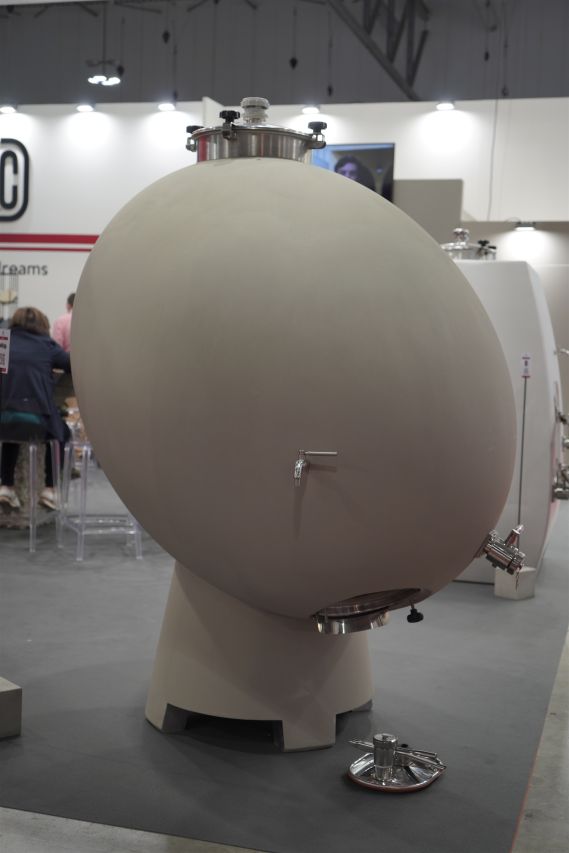
The question is not necessarily whether wineries need more technology, but which investments will make a measurable difference to their businesses. With margins under pressure, technology needs to earn its place in the cellar or on the bottling line.
SIMEI’s 31st edition will also see the return of its Innovation Challenge, recognising new technological developments across the industry.
For South African producers and suppliers, the exhibition offers an opportunity to assess emerging solutions, compare approaches and explore developments beyond traditional winemaking equipment.
The real value will lie in identifying which innovations can help wineries work smarter, reduce inefficiencies and remain competitive. Because the next important development in wine technology might not come from the wine industry at all.

More from
Innovation and insights
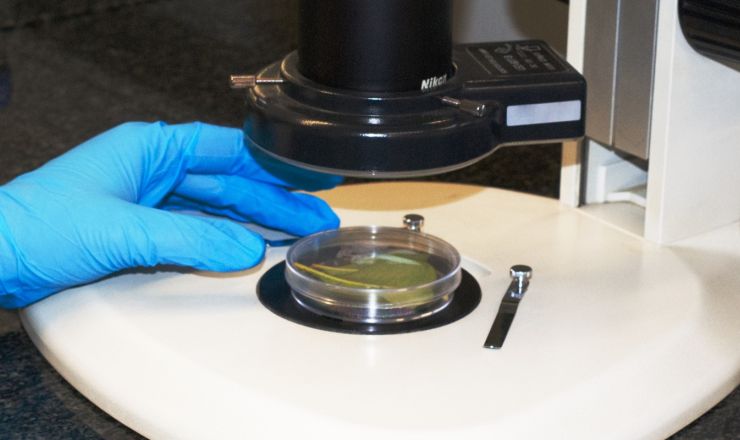
Safeguarding agricultural biosecurity through insect diagnostics
Insect diagnostics are managed through the Plant Disease Clinic (PDC), based at Stellenbosch University, and have emerged as a critical advisory service for South African agriculture. This article outlines the scope of samples analysed by the PDC, the services it provides and the role it will play…

Packaging under pressure: What wine businesses should be watching
From lighter bottles to automated packing lines, packaging decisions are becoming increasingly important to the cost and competitiveness of South African wine.
How vine water stress shapes grape and wine quality
This study formed part of the South Africa Wine programme “Grapevine production with limited water resources”, and aimed to evaluate how spatial and temporal water stress affects vine physiology, fruit composition and wine quality.