
Delheim Estate opens pine forests to Stellenbosch University forestry students
The 30ha pine-tree forest on Delheim Wine Estate on Stellenbosch’s Simonsberg has led to a rekindling of the relationship between Delheim and Stellenbosch University’s Department of Forest and Wood Science as students from the department are now using the Delheim forest for research due to the…
· 4 min read
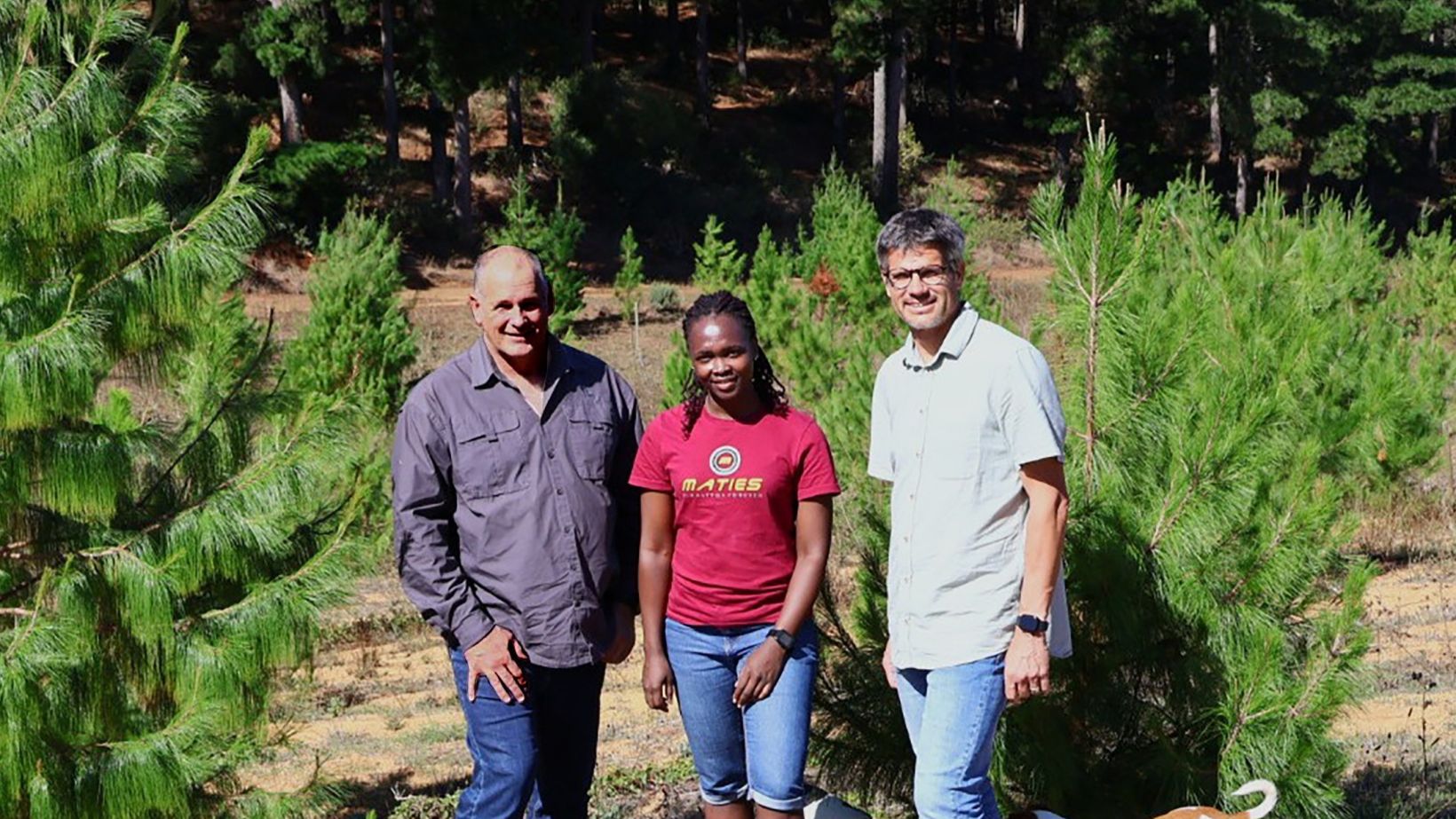
Besides its expansive vineyards and the well-known winelands hospitality setting on the slopes of Stellenbosch’s Simonsberg, Delheim Wine Estate is known for its pine-forest which was planted over six decades ago by the late-owner Spatz Sperling. At one stage, Spatz’s forest of Pinus radiata pines covered some 120ha of Delheim land, making the estate one of the largest private suppliers of pine-wood in the region.
After a devastating fire in 2000, and with forestry no longer being a viable business proposition after the closing of many of the region’s wood-mills, the remaining 30ha of Delheim’s pine-forest has endured as a natural feature which has now opened its doors to Forest and Wood Science researchers from Stellenbosch University. Two of these students who did their research among Delheim’s forest recently received their PhD degrees, and according to Victor Sperling, co-owner of Delheim, the farm is pleased to once again be able to allow forestry students access to its pine-forest, as the trees remain an important part of the Delheim legacy.
“My father Spatz truly loved this forest, which he himself planted, as it reminded him of the natural environment he grew-up in in Germany,” says Sperling. “When the wood-mill was still running in Stellenbosch the forest also provided supplementary income to the wine business, but today the forest is just a magical part of Delheim for the family and visitors to enjoy.”
However, five years ago Sperling met Prof Brand Wessels from Stellenbosch University’s Department of Forest and Wood Science who mentioned that students from the department were struggling to find access to suitable pine-forests in the area in which to do their research.
Sperling and the rest of the Delheim team immediately agreed to assist the University by giving the Department of Forest and Wood Science use of the farm’s forest, thus allowing students and their supervisors access for research purposes.
“This relationship with the University brings back fond memories,” says Sperling, “as a youngster my father always had forestry students traipsing around the pines and taking notes, and it is always an honour for Delheim to be of assistance to another Stellenbosch institution.”
According to Prof Wessels, the Delheim forest fulfils a great need for researchers in the field of forest and wood science. “Pine-forests have become a scarce resource in the Western Cape for a variety of factors and this has created a need for suitable areas where students can do their research,” he says. “With Delheim being on the University’s door-step and its pine-forest being well-established and on a unique mountain setting, this relationship with Delheim will be of tremendous benefit for students in the fields of forest and wood science.”
Receiving her PhD degree from Stellenbosch University’s Forest and Wood Science Department, after four years of research on Delheim, is Dr Scovia Akello for a dissertation on “The effect of fertilisation, water availability, wind, and other environmental variables on the growth and wood properties of young South African-grown Pinus species and hybrids.”
Dr Akello says that Delheim provided an ideal setting for her research, which entailed – among others - planting various species of pine-trees at different elevations to assess various factors.
Hailing from Uganda, Dr Akello had previously studied at Makerere University in Kampala before embarking on her MSc degree at the University of Edinburgh in Scotland.
“After my MSc, I really wanted to do a PhD at Stellenbosch University,” says Dr Akello. “I had never been to South Africa, but during my studies Stellenbosch University frequently appeared on the radar as a place of academic excellence, as well as being situated in one of the most beautiful places of the world.
“Fortunately, my determination to apply for and obtain a scholarship succeeded, and now I am very proud to have completed my PhD at the University, with no small thanks to Delheim Wine Estate who allowed my to do my research in this splendid forest set on one of the best wine farms imaginable.”
The other PhD graduate this year, Otto Pienaar, is currently working in New Zealand and for his doctorate had submitted a dissertation titled “Biomass determination, growth response and light use efficiency of mid-rotation Pinusradiata stands post-thinning” which also resulted from research on Delheim.

More from
People, community and tourism
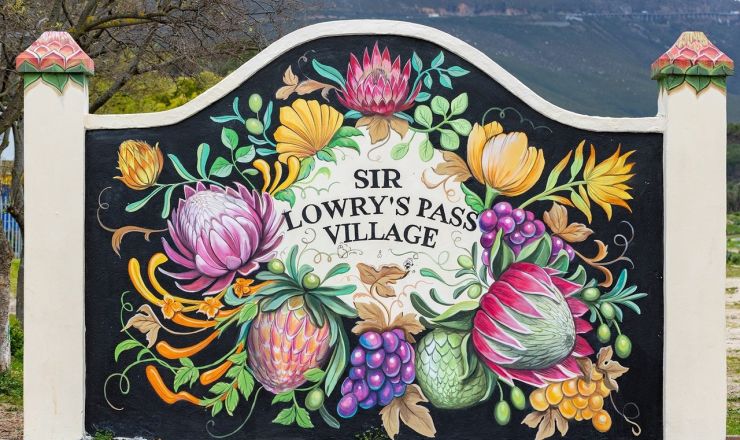
The painted town: Saving Sir Lowry's Pass Village
Sir Lowry’s Pass Village, once a prosperous transport stop, experienced economic decline after the N2 highway diverted traffic and commerce. The community now faces unemployment, educational shortcomings, and inadequate housing. Various initiatives seek to improve conditions through social support, skills development, vocational training, and community enhancement projects.
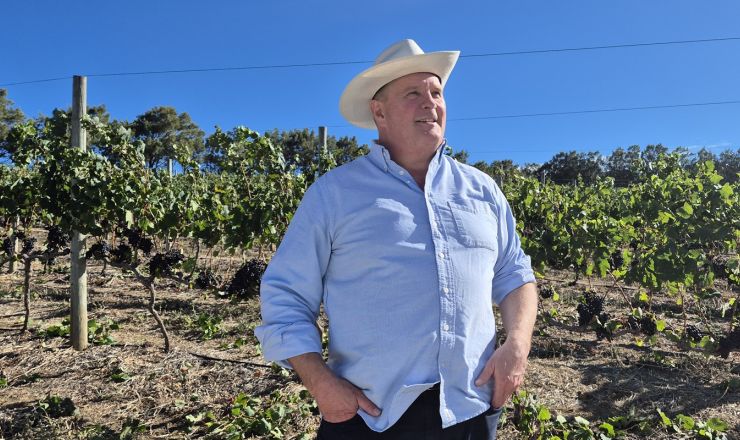
Who really runs Bruce Jack Wines?
Bruce Jack gets the name on the bottle. He is considerably less certain about who is actually in charge.

IWEC celebrates 2026 WSET Diploma graduates
The International Wine Education Centre (IWEC), Africa’s leading provider of the internationally recognised Wine & Spirit Education Trust (WSET) wine courses is celebrating with eight students who have completed their WSET Level 4 Diploma in Wines qualification this year.