
Q&A with Ms Phyllis Burger
Phyllis Burger currently leads the grape breeding group in the Crop Development Division at ARC Infruitec-Nietvoorbij, which includes managing grape breeding projects and the grapevine gene bank.
· 4 min read
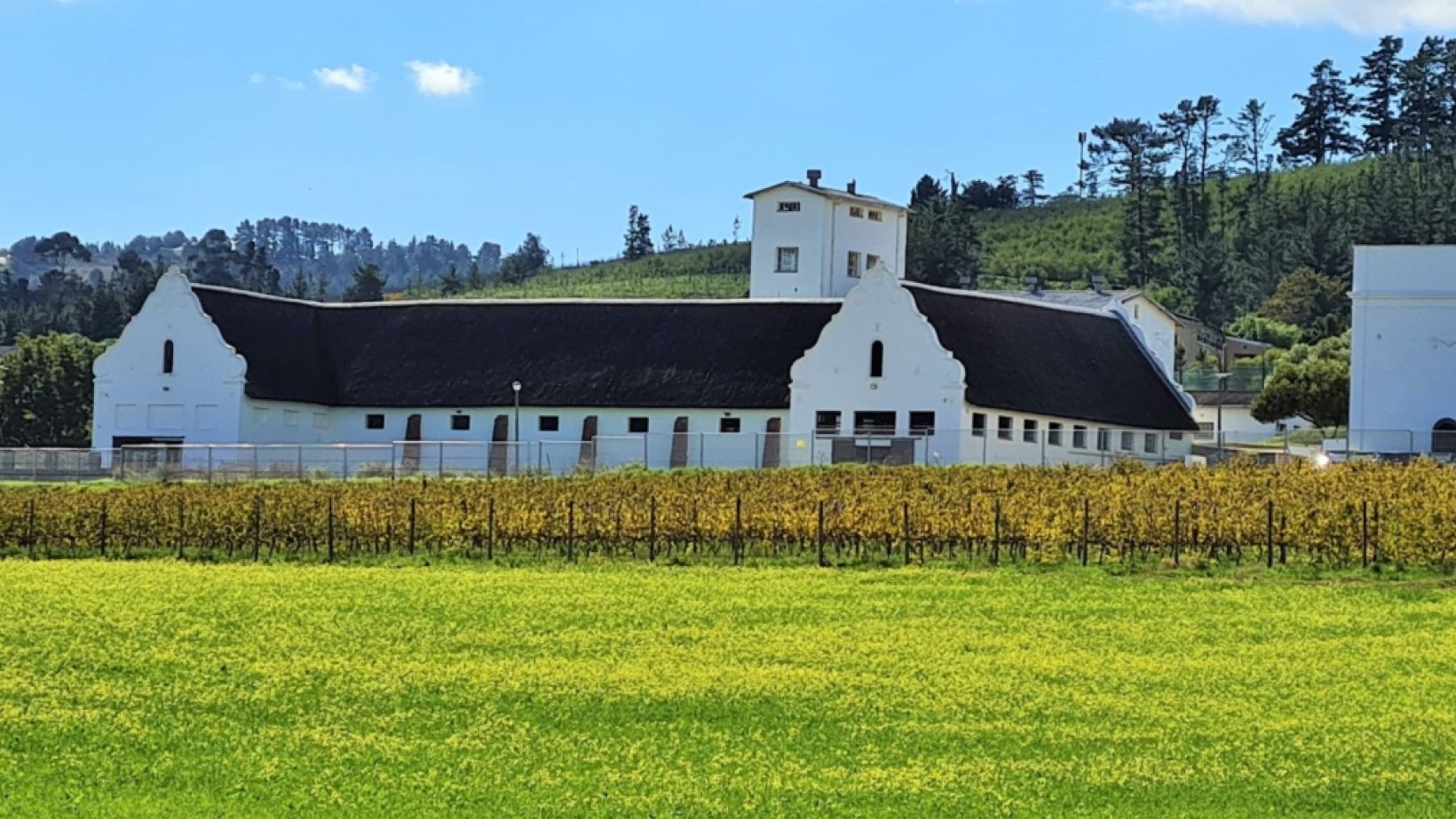
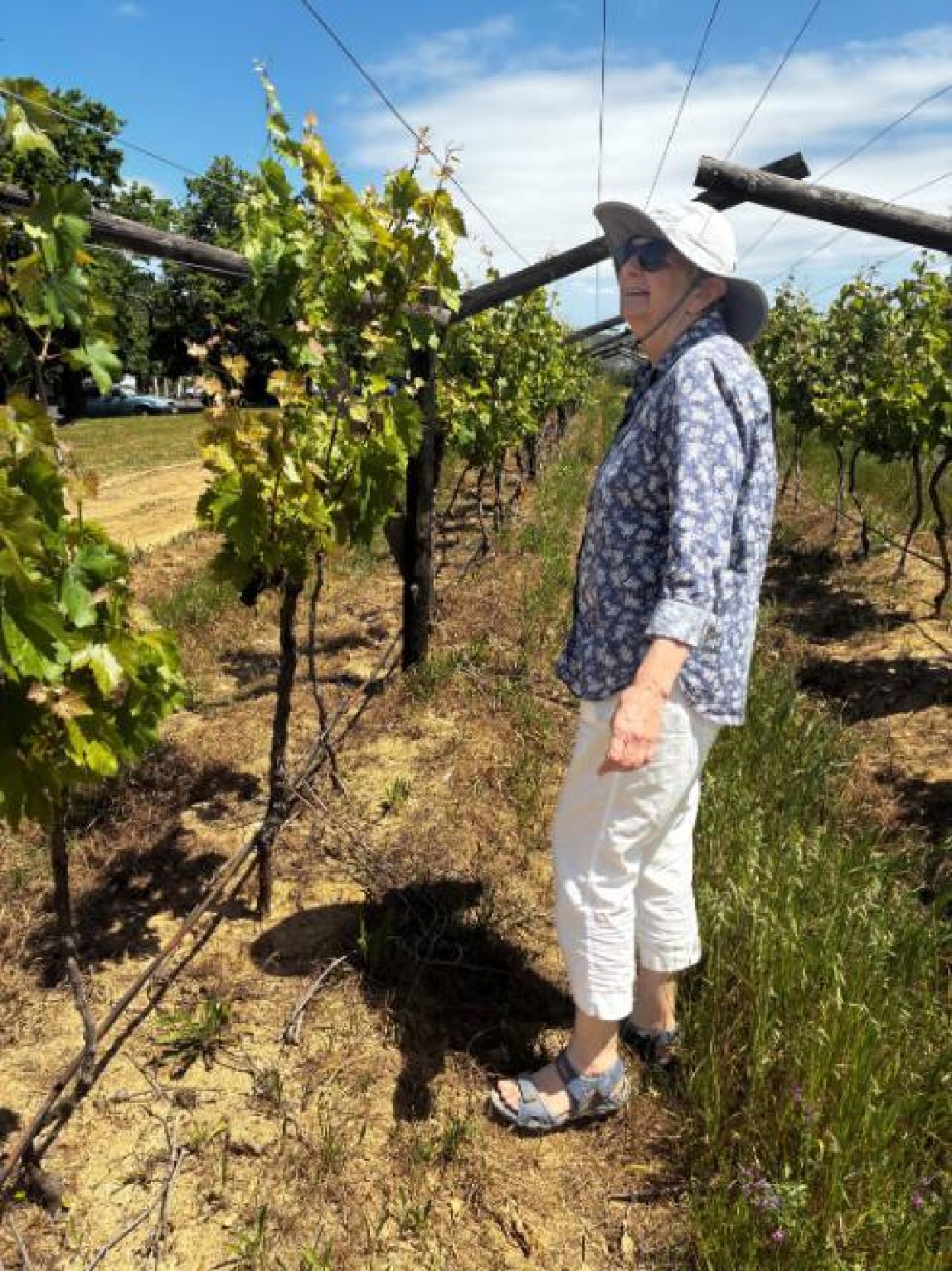
Phyllis Burger was born and raised in Montagu. After school, she studied for a BSc in Agriculture, specialising in botany and plant pathology. She completed her Master’s thesis on the application of embryo culture in table grape breeding. Ms Burger worked as a plant taxonomist for the National Department of Agriculture for a year before joining ARC Infruitec-Nietvoorbij in 1987. She currently leads the grape breeding group in the Crop Development Division at ARC Infruitec-Nietvoorbij, which includes managing grape breeding projects and the grapevine gene bank.

What is your research focus?
I’ve been involved with grapevine breeding and related projects for most of my career. I started by implementing embryo rescue techniques in the table grape breeding programme at Nietvoorbij, where we culture embryos from seedless crosses in tissue culture to develop offspring plants, and eventually was put in charge of the programme.
My involvement in the wine grape industry is more recent. I obtained funding from Winetech
to initiate a project on wine grape breeding focused on downy and powdery mildew resistance. The first crosses were made in November 2014, and currently we co-operate with Stellenbosch University on molecular markers and screening progenies for resistance as well as for viticultural and wine-making potential.
Since 2018, I have also managed the grapevine gene bank (a collection of scions, rootstocks, and some Vitis species) and aim to ensure that all accessions are named correctly.
I’m also involved in the Pinotage project to increase intervarietal diversity and make more Pinotage clones available to the industry. We’ve implemented non-GMO gamma irradiation of plants of three clones in tissue culture. These were micropropagated and eventually hardened off from tissue culture. These plants are currently in the field and are extensively evaluated by one of Prof M Vivier’s students, who has already selected individual plants for propagation (five plants of each were grafted on R110) for further evaluation.
How does your research contribute to the South African wine industry?
Breeding is a long-term investment, and you only see the fruits of your efforts after years. Currently, there is no immediate product (such as new cultivar or clones) available to the industry, but it would be very satisfying if in future one of my crosses is released as a new cultivar that may contribute to sustainability by requiring fewer fungicide sprays. It will be equally satisfying if the Pinotage project leads to the development of new clones.
What was a memorable moment in your career so far?
There are too many to highlight a specific moment, but I appreciate the opportunities I had throughout my career. I also consider myself fortunate to have worked with and learned from the people I worked with early in my career.
If you could collaborate with anyone (past or present), who would it be and why?
It definitely will be Prof AI Perold. Most people in the wine industry know him for his contributions to the wine industry (Elsenburg, Stellenbosch University, and KWV), but not many know that he was also tasked with improving the table grape industry and fresh fruit exports.
He travelled extensively to source better cultivars in Europe and also North Africa, where in 1909 in Algeria he discovered a cultivar which he imported in 1910. This cultivar is ‘Barlinka’, which for many years was a mainstay of table grape producers, especially in the Hex River Valley.
In 1910 he was the head of the government viticultural research station on the Bellevue farm in Paarl. Here he cultivated a collection of more than 200 cultivars, many of them imported by himself. He also made wine and even distilled brandy on this farm. For years of my earlier career, I also spent many hours on Belleuvue (this farm still belongs to ARC Infruitec-Nietvoorbij), and I am very curious to hear his stories on the early days on this farm and his overseas travels, collecting cultivars. And I’m very curious to know what his opinion would be of our ‘Pinotage’ project.
The song that gets you through deadlines?
Silence or something classic, most probably one of Beethoven’s piano concertos or the violin concerto.
If you weren’t a researcher, what would you be doing?
I’d be a botanist (taxonomist) and on field trips collecting and identifying plants and discovering new species.
The best advice you’ve ever received.
Be true to yourself and your values. The workplace is not a popularity contest.
Favourite place to unwind after a busy week?
There’s nowhere better than home.
If your research were a wine, what would it be and why?
A blend (with a bit of ‘Pinotage’) and not a single variety. Or an old vine ‘Chenin Blanc’. I like to support wines and cultivars which are strongly associated with the South African wine industry.

More from
People, community and tourism
Hoe om herlewingslandbou te laat leef
'n Twee-dag sessie deur WIETA and Stronger Together South Africa op etiese leierskap vir kelders, plase en handelsmerke by Lourensford en Du Kloof Lodge het insigte oor herlewingsboerdery opgelewer.
Results of the Niche Varieties Challenge 2026
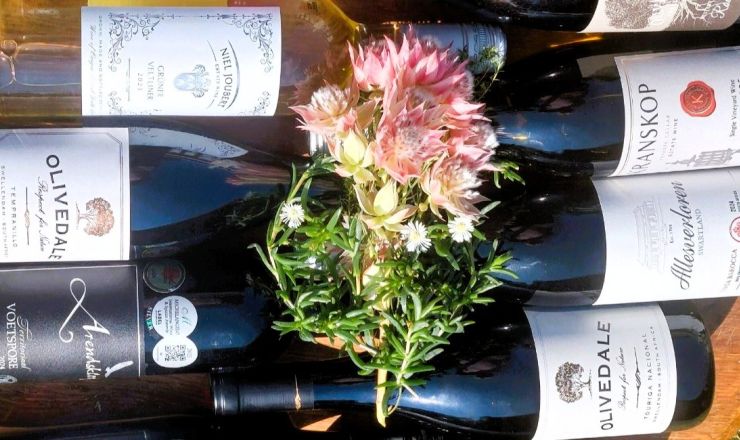
The Niche Varieties Challenge took place again in 2026 to give innovative niche wines a more visible platform and to highlight the diversity developing beyond South Africa's mainstream cultivars.
Are wine clubs in South Africa still relevant?
A bottle of wine is rarely just about what is in the glass. Sometimes it is about the people around the table, which may explain why wine clubs have managed to stick around. The Blaauwklippen Blending Competition offers a glimpse into why this old-school tradition still has a place in a changing…