
The painted town: Saving Sir Lowry's Pass Village
Sir Lowry’s Pass Village, once a prosperous transport stop, experienced economic decline after the N2 highway diverted traffic and commerce. The community now faces unemployment, educational shortcomings, and inadequate housing. Various initiatives seek to improve conditions through social support, skills development, vocational training, and community enhancement projects.

· 5 min read
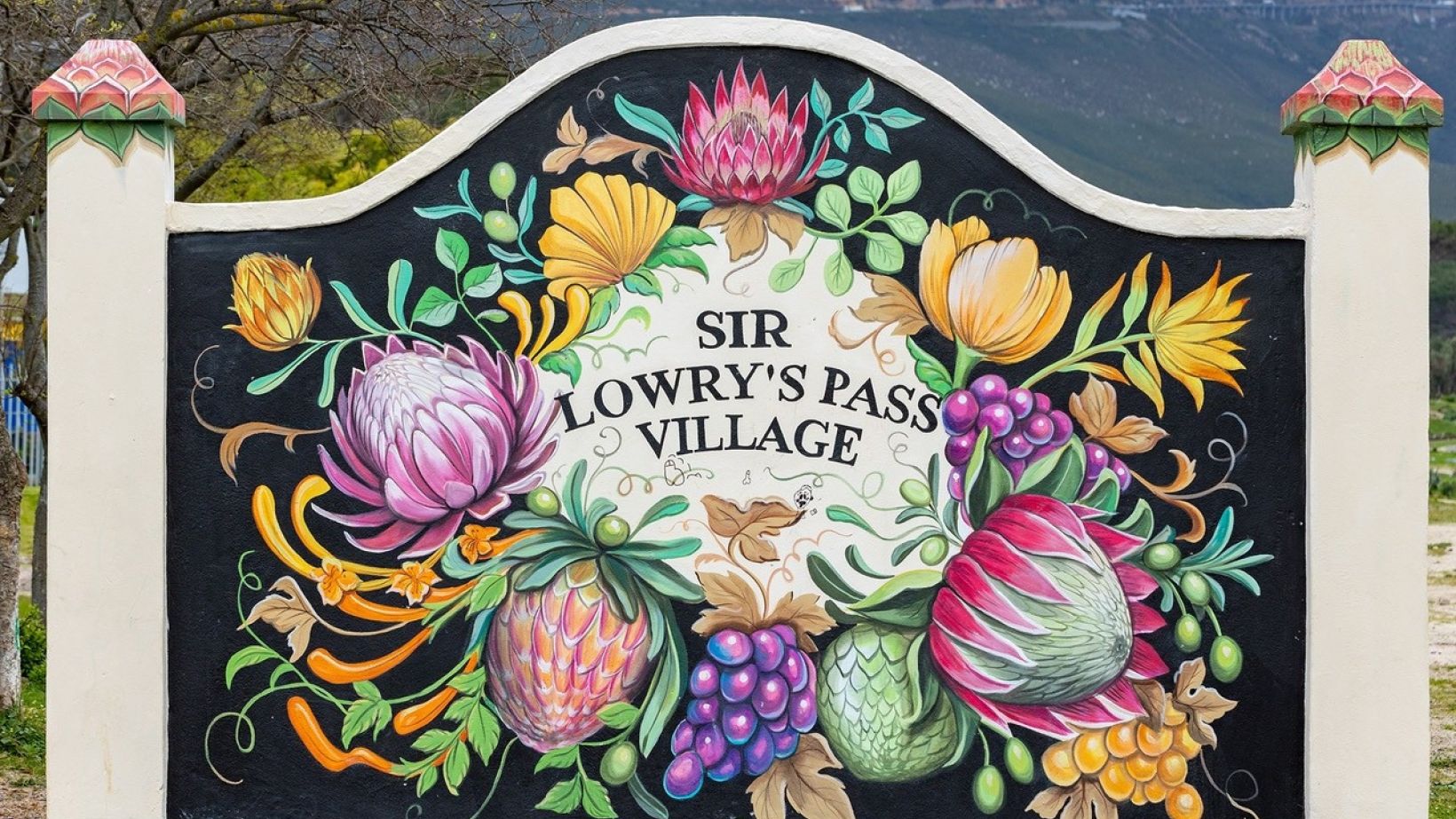
Sir Lowry's Pass Village is a historically significant but currently impoverished community. Originally a thriving stop on the route to the Eastern Karoo, the village suffered economic decline after the construction of the N2 highway, which bypassed the area and diverted wealth and transport.
Today, the village struggles with high unemployment, gaps in the state education system, and inadequate housing.
A few initiatives are working to address these challenges through a combination of social relief, vocational training, and aesthetic interventions.
We asked Colleen Pienaar of Sow the Seed NPO and artist Charlie Vettori (The Village Collaboration) what the most pressing needs are in their community. Their initiatives are supported by the Inzuzo Wine Company, headed by Journey’s End winemaker Kaylin Willscott.
1. Systemic Gaps
A primary challenge is the high number of "displaced" children who are no longer in the mainstream school system. These children often lack parental oversight and must take responsibility for their own enrolment and attendance.
- Administrative barriers: The Department of Education reportedly removes children from school rolls if they have been out of the system for more than two years. “If someone hasn’t been in school for more than two years, the educational department drops them from the roll and it’s a struggle to get back on. Someone over the age of 16 won’t be allowed back in,” Colleen says.
- Curriculum inaccessibility: Sow the Seed community centre relies on the GED and MobiMax educational programmes, which are often US-centric, because of difficulties securing investment or support from the South African CAPS curriculum for their learners.
- Resource constraints: There is a constant need for materials, laptops, and internet access to support online learning platforms.
2. Vocational skill gaps and unemployment
There’s a stark disparity in employment and initiative between genders in the village. While women are described as proactive in seeking domestic or garden work, men in the community often lack marketable skills and face high unemployment.
- Requirement for trade skills: There is a critical need for “helper-level” skills and training in basic trades such as plumbing, electrical work, and woodwork. “Skills training for men is an absolute must,” Colleen says. “We want to equip the guy who runs around with the pipes and the tools for the plumber. That’s what is needed.”
- Stigma and literacy: Many job seekers struggle with basic literacy and CV presentation, often carrying hand-written notes with spelling errors. There’s also a perceived stigma that prevents men from admitting to educational disadvantages.
- Outdated skills: Existing skills are often obsolete, as workers have not been trained on modern tools or techniques in over a decade.
3. Infrastructure and basic needs
The physical living conditions in parts of the village, particularly in areas like Riemvasmaak, are inadequate. Many houses were built without internal plumbing or proper insulation.
- Sanitation and water: Many residents still use buckets for washing because their homes lack hot water, geysers, or internal toilets. There’s a pressing need for communal shower block facilities where people can attend to basic hygiene needs.
- Healthcare and elder care: The village lacks an old-age home and hospice facilities. Many frail or elderly residents are vulnerable to poor conditions and a lack of access to professional care.
- Poor construction quality: Newer housing projects are described as “rush jobs” with thin walls, unsealed windows, and porous cement floors. Some even lack indoor plumbing.
| Infrastructure Need | Description |
| Shower facilities | A dedicated block for residents who currently rely on bucket baths. |
| Hospice/Relief rooms | A space for the terminally ill or those in need of temporary medical relief. |
| Water quality | Borehole water in the area is often unpalatable, necessitating fresh water supplies. |
| Storage and security | Community centres need safe lockers for youth to store necessities and belongings on the premises, since valuables kept at home are sometimes sold off by family members to support substance abuse. |
4. Tourism and development
Under Charlie Vittori, the Village Collaboration project has pivoted toward using art to drive economic independence. By transforming the village into an “open-air gallery”, the project aims to restore local pride and attract international tourism.
- The "Painted Village" goal: The project has already completed over 180 murals (3300 sq. m), and the objective is to become the most painted village in the world and create a unique tourist attraction. “The village became impoverished because the N2 no longer passed through,” Charlie says. “We’re bringing back wealth and prosperity by creating street galleries and art corridors for tourism.”
- Vandalism resistance: Notably, the artwork has remained largely untouched by vandalism, which Charlie attributes to a sense of pride and ownership achieved by involving the local youth in her murals.
- Tourism barriers: A major hurdle is the local railway platform. While the steam train passes through the village, it cannot stop because the platform is currently three to four meters too far from the tracks.
5. Funding and sustainable support
The community’s development is heavily reliant on private sponsorships and innovative funding models.
- The Inzuzo Wine Company: This brand subsidises many community projects. By utilising the human resources of established wineries like Journey’s End, the brand minimises overheads, allowing profits to be directed back into the village.
- Collaboration with SOS Africa: In 2026, foundational social relief projects – especially food care and healthcare training – were integrated into SOS Africa, allowing other NPOs to focus on specialised skills and art.
- Requirements for growth: Key requirements for the future include marketing support for the art tours, funding for a new high school building, and the physical extension of the train platform to enable tourist stops.
In summary
These are the most pressing requirements identified by the community’s project leaders:
- Educational support: Sow the Seed needs continued funding for GED/MobiMax subscriptions and tutors.
- Vocational training: There’s a need for artisans to volunteer for "helper-level" trade training for men.
- Infrastructure improvements: Construction of public showers and a community hospice room will improve basic sanitation.
- Railway extension: Extending the train platform by 2-3 meters will allow the steam train to stop at the station, serving the local arts and crafts market and increasing tourism revenue.
Contact: Charlie Vettori
Phone: 082 335 5303 | Email: [email protected]
Website: villagecollaboration.manus.space
Facebook: The Village Collaboration or Paint Sir Lowry’s Pass Village (Paint SLPV)
Instagram: www.instagram.com/paint_slpv
Donations can be made at backabuddy.co.za/campaign/paint-slpv~7

More from
People, community and tourism
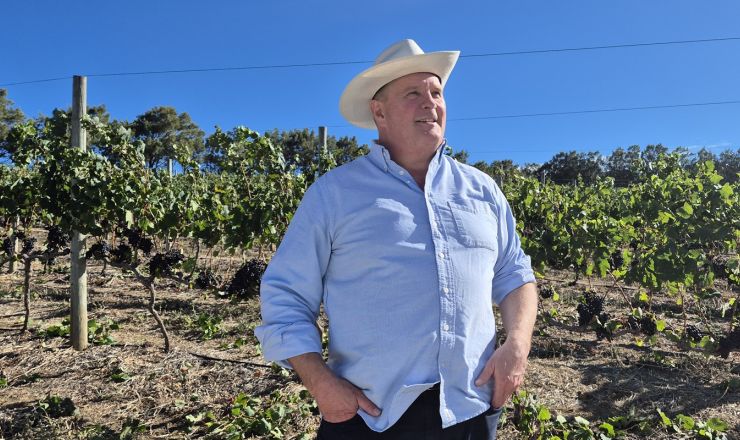
Who really runs Bruce Jack Wines?
Bruce Jack gets the name on the bottle. He is considerably less certain about who is actually in charge.
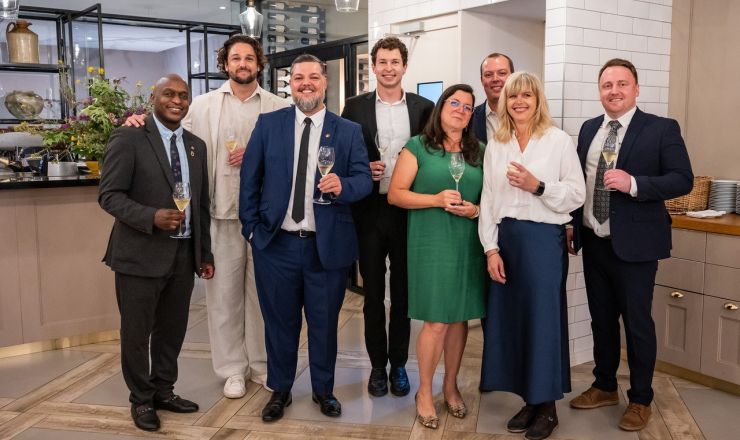
IWEC celebrates 2026 WSET Diploma graduates
The International Wine Education Centre (IWEC), Africa’s leading provider of the internationally recognised Wine & Spirit Education Trust (WSET) wine courses is celebrating with eight students who have completed their WSET Level 4 Diploma in Wines qualification this year.
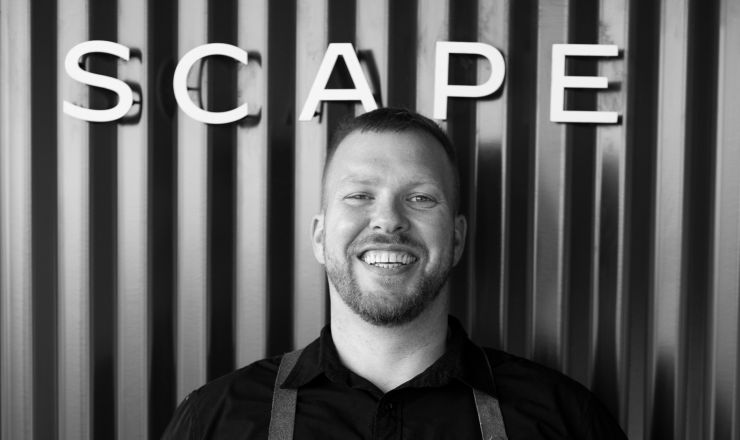
Mike Shier brings London polish to Paarl's Winelands at SCAPE
After years in some of London's most admired kitchens, the South African chef returns home to cook at VONDELING at Vrymansfontein, with his menu launching on 13 November 2026.