Search
Results for “post-harvest treatment”
Showing 1–12 of 13 results
13 results — page 1 of 2
The vine's reserve bank
Carbohydrate reserves in the grapevine play a critical role in various physiological processes. It affects the vine’s overall health, development, growth and ultimate yield.
By Hennie Visser · 6 min read
Analytical methods to measure grape metabolites - a review
This review presents a summary of the chromatographic methods that have been developed and optimised to accurately profile and quantify grape metabolites. The g
By Hans André Eyéghé-Bickong, Philip Young and Melané Vivier · 10 min read
The effect of cover crops and soil management on weeds (Part 1) - ryegrass
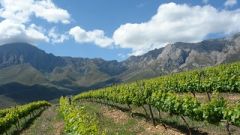
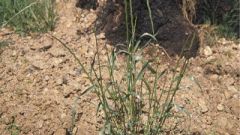
The objective of the study was to determine the effect of different weed management treatments on the stand of the ryegrasses (one of the species that dominated
By Doronae · 9 min read
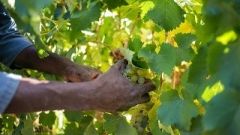
Non-Saccharomyces yeasts, MLF and Chardonnay flavour
PHOTO: Chardonnay (WOSA Library).
By Heinrich du Plessis and Neil Jolly · 6 min read

COVID-19 Q&A: Wine grape farming activities
The South African wine industry received permission to complete the 2020 Harvest just in time before the COVID-19 national lockdown was implemented on 27 March
By SA Wine Industry · 4 min read
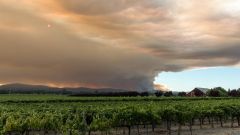
The smoke spoilage of wine
Veld fires caused serious damage in some of the Australian and Californian wine regions over recent years. Although not in the same magnitude, the problem has a
By Charl Theron · 6 min read
Casidra welcomes new incoming CEO, Dr Keith du Plessis
Project management service provider Casidra is pleased to announce Dr Keith du Plessis as its incoming CEO, effective 1 June 2022.
By SA Wine Industry · 3 min read

Casidra donates school stationery valued at R40 000 to the Pebbles Project
Casidra celebrated Mandela Day by handing over 180 packs of school stationery to the value R40 000 to the Pebbles Project.
By SA Wine Industry · 3 min read

Recompaction of soil in existing vineyards - causes and upliftment methods
Recompaction of the prepared soil before establishment is unavoidable due to normal soil processes, management practices and cultivation practices in the vineyard.
By Johan de Jager & Bennie Diedericks · 12 min read