
COVID-19 Q&A: Wine grape farming activities
· 4 min read
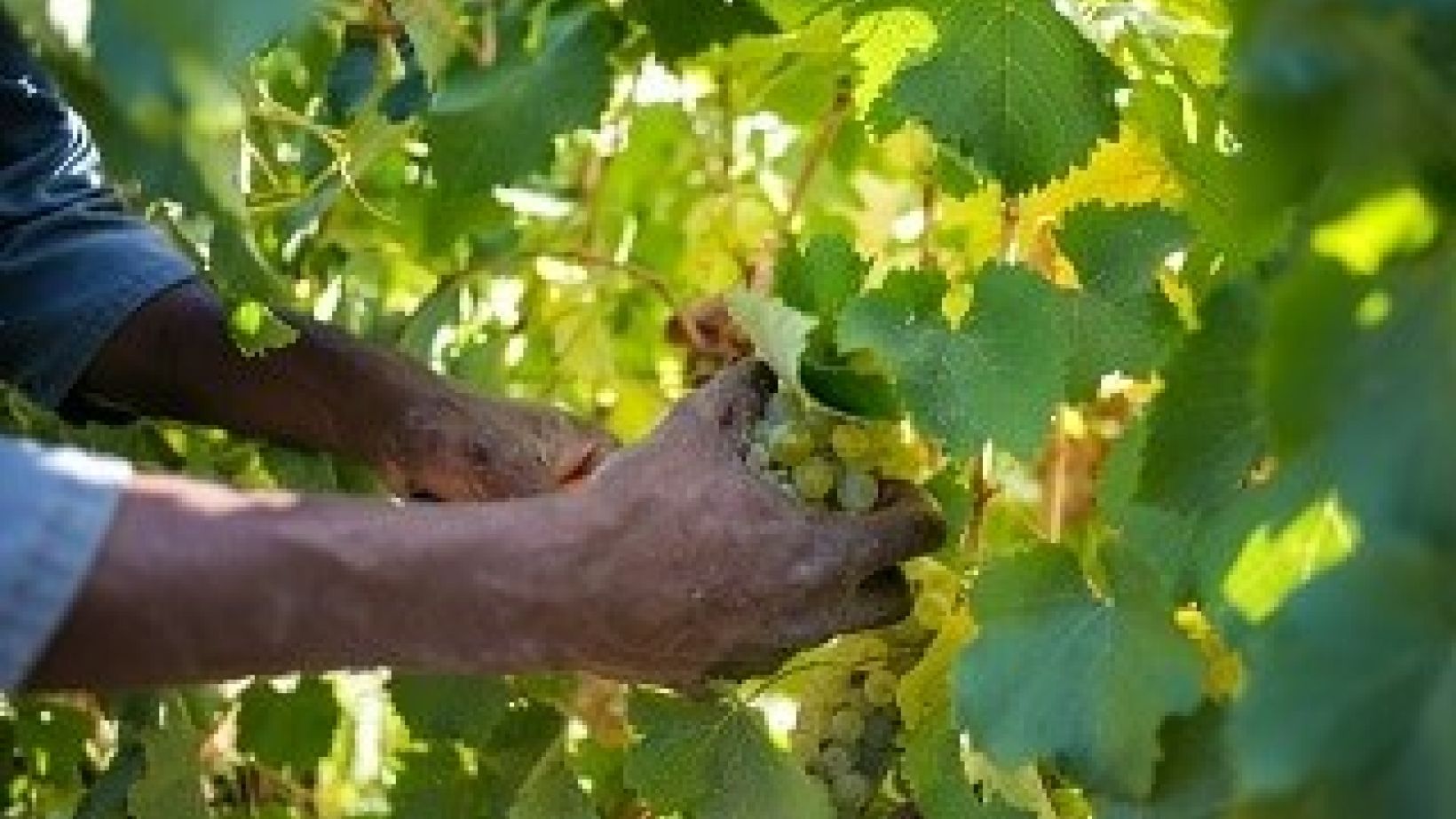
The South African wine industry received permission to complete the 2020 Harvest just in time before the COVID-19 national lockdown was implemented on 27 March 2020. But what about other related wine grape farming activities?
There has been a number of questions relating to the definition of farm specific essential services that are allowed during the lockdown period, which has now been extended to 30 April 2020.
1. What actions may I perform on my farm post-harvest?
Following from the Government Gazette (20 March 2020), 5 (6) (a) (e) the following was added to the list of essential services on 26 March 2020:“harvesting and storage activities essential to prevent the wastage of primary agricultural goods.”
In a further directive (Paragraph 33 of the Gazette Regulation 398, Article 6(e) 33 of Regulation 419, the following is also of relevance to the wine industry: “Critical maintenance services which cannot be delayed for more than 21 days, and are essential to resume operations after the lockdown”.
It is our interpretation that these directives not only allows for the completion of the current harvest, but also essential post-harvest activities relevant to the 2021 harvest that cannot be delayed. The Vinpro team created a framework that provides a list of essential activities that may be executed, which are typical to the wine industry, critical to be performed in the immediate future and which could be performed with an allowable risk by adhering to social distancing guidelines.
These include: Post-harvest fertilizer Post-harvest irrigation Disease and pest control Weed control Root pruning actions Establishment and management of cover crops Soil preparation and drainage before winter rainfall New vineyard plantings Planning Maintenance on trellis systems and implements. View the full document
The Vinpro team is also working on specific protocol for vine nurseries to ensure that the grafting activities can be conducted.
2. What are the major considerations for my farming business during the lockdown?
The Western Cape Department of Agriculture frequently updates a comprehensive Q&A for farming businesses during the COVID-19 lockdown.
The Q&A covers aspects including: General and food security Permits Agri workers Marketing my products Running my farming business Providing inputs and support services to farmers Veterinary services and animal health COVID-19 emergency support Download the full Q&A (as on 13 April 2020)
3. Where can I find comprehensive resources pertaining to my workforce?
While the abovementioned wine grape farming activities may continue, all producers should ensure that they create a safe and fair work environment.
The Wine and Agricultural Ethical Trade Association (WIETA) has created a portal for important resources to ensure safe, lawful and ethical practices during the transport of essential workers, as well as in the workplace.
The portal includes information on: Creating awareness of COVID-19 in the workplace Can workers be compensated if they contract Covid-19 at work? Is there relief for companies that are forced to shut down and lay off workers? Can my workers claim UIF if they are in self quarantine, forced to work reduced hours or my company shuts down? What measures must I take while transporting essential services workers during Covid-19? Resources for employers of essential services What do the Disaster Management Regulations require? Visit the WIETA portal
The Sustainability Initiative of South Africa (SIZA) also provides important practical guidelines on managing COVID-19 in the workplace, in a recent newsletter.
First and foremost, the following is advised:
- Create a WhatsApp group with employees — share relevant information, without ensuing panic amongst the workforce, regarding good and practical tips.
- Communicate with employees regularly to ensure they are healthy and that they have no immediate concerns.
- Have a plan in place in the case that infection might spread within the workplace. This plan should include an adequate risk-assessment and investigation method to allow the relevant management to become aware of the possible infections. The plan should furthermore allow for access to medical treatment as soon as possible
The guidelines include:
Accommodation: Awareness & training Food arrangements First-aid at housing Emergency line/hotline contact numbers Social distancing Increased frequency of cleaning and disinfecting High-risk employees Ventilate indoor areas/facilities
Transport: Clean and disinfect vehicles Ventilation Allow for adequate distance between passengers Who should use transport
Additional Global Guidance and Resources

More from
Vineyard, cellar and production
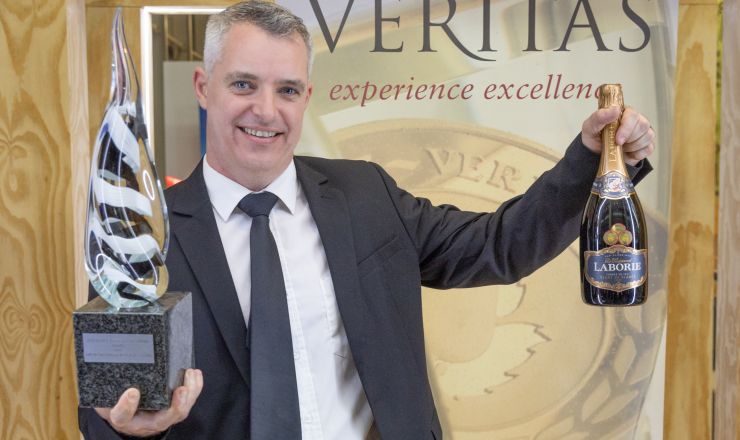
One vineyard. Eight components. Five years of patience.
When KWV’s Laborie Blanc de Blancs 2020 claimed the Duimpie Bayly Vertex Trophy at the 2026 Veritas Awards, it was more than another win for the Paarl-based producer. It was only the third time a Cap Classique had taken the competition’s highest honour, selected from 1 293 entries.
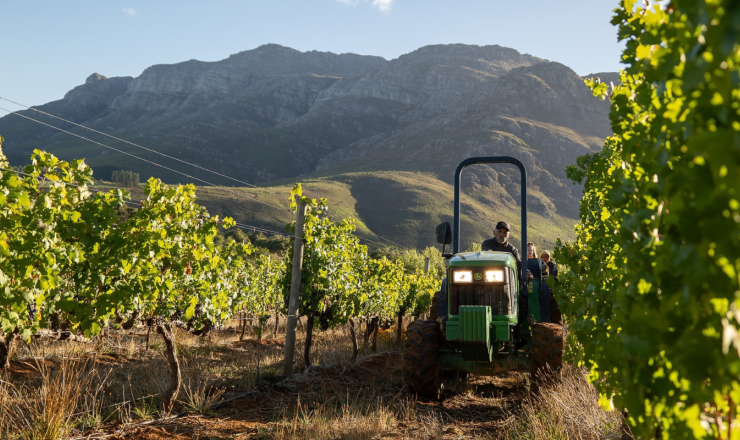
How to understand regenerative farming
Regenerative farming is becoming part of the language of modern viticulture, but what does it actually look like in a vineyard?
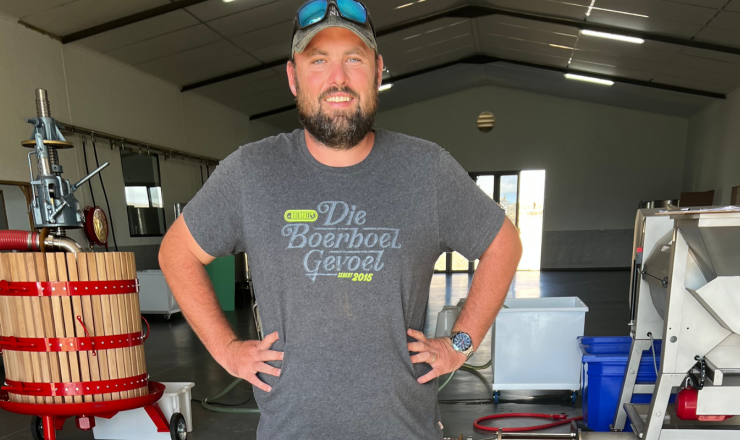
JC Smith praat oor wynmaak in die Oos-Vrystaat
JC Smith is ’n derdegeslag-wynmaker. Sy oupa Dassie en pa Flip was albei wynmakers, en hy het tussen wingerde en wynkelders grootgeword. Hy is tans die wynmaker by Blydschap in die Oos-Vrystaat.