
UK wine-making areas to rival Champagne revealed
· 2 min read

Research from the University of East Anglia has identified areas of the UK which could rival the Champagne region of France.
Climate and viticulture experts have identified nearly 35,000 hectares of prime viticultural land for new and expanding vineyards - much of it in Kent, Sussex and East Anglia.
Prof Steve Dorling, from UEA’s School of Environmental Sciences, said: “English and Welsh vineyards are booming, and their wine is winning international acclaim.
“This summer’s heatwave has led to a record grape harvest and a vintage year for English and Welsh wine, prompting great interest in investment and land opportunities.
“But despite a trend of warming grape-growing seasons, this season has been quite unusual in terms of weather. English and Welsh grape yields are generally quite low and variable by international standards, so we wanted to identify the best places to plant vineyards and improve the sector’s resilience to the UK’s often fickle weather.”
The research team, with help from wine producers, used new geographical analysis techniques to assess and grade every 50 x 50 m plot of land in England and Wales for suitability.
Lead author Dr Alistair Nesbitt said: “Interestingly, some of the best areas that we found are where relatively few vineyards currently exist such as in Essex and Suffolk - parts of the country that are drier, warmer and more stable year-to-year than some more established vineyard locations.
“The techniques we used enabled us to identify areas ripe for future vineyard investments, but they also showed that many existing vineyards are not that well located, so there is definitely room for improvement and we hope our model can help boost future productivity.
“Entering into viticulture and wine production in England and Wales isn’t for the faint hearted - the investment required is high and risks are significant.
“But as climate change drives warmer growing season temperatures in England and Wales, this new viticulture suitability model allows, for the first time, an objective and informed rapid assessment of land at local, regional and national scales.”
The research was funded by the Natural Environment Research Council (NERC).
Outputs from this research are now available as a service via the English Vine & Wine Consultancy. To find out more visit www.vinewineconsultancy.com or contact [email protected].
‘A Suitability model for viticulture in England and Wales: Opportunities for investment, sector growth and increased climate resilience’ is published in the Journal of Land Use Science on Friday, November 9, 2018.

More from
People, community and tourism
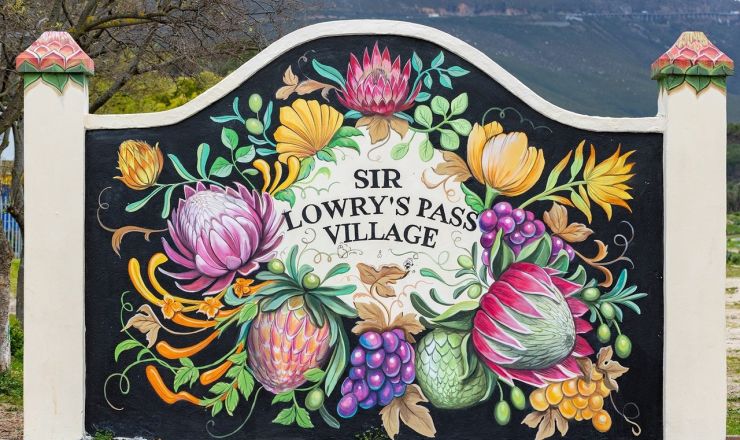
The painted town: Saving Sir Lowry's Pass Village
Sir Lowry’s Pass Village, once a prosperous transport stop, experienced economic decline after the N2 highway diverted traffic and commerce. The community now faces unemployment, educational shortcomings, and inadequate housing. Various initiatives seek to improve conditions through social support, skills development, vocational training, and community enhancement projects.
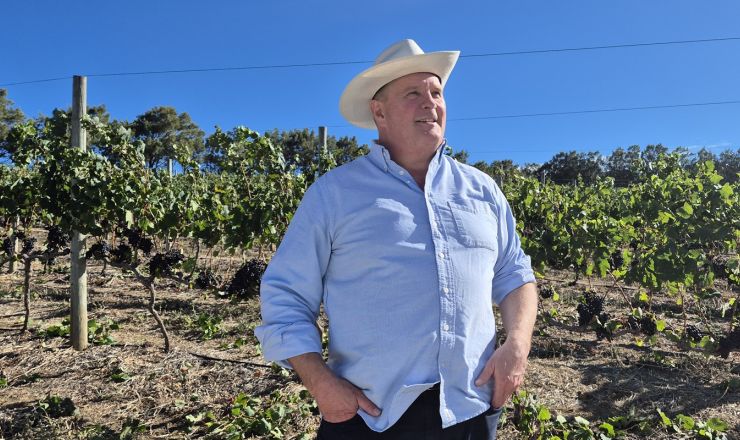
Who really runs Bruce Jack Wines?
Bruce Jack gets the name on the bottle. He is considerably less certain about who is actually in charge.

IWEC celebrates 2026 WSET Diploma graduates
The International Wine Education Centre (IWEC), Africa’s leading provider of the internationally recognised Wine & Spirit Education Trust (WSET) wine courses is celebrating with eight students who have completed their WSET Level 4 Diploma in Wines qualification this year.