
Sit. Stay. Find the TCA
How do you teach a dog to sniff out one of wine’s most notorious contaminants? WineLand meets the researcher and volunteer handlers behind a Stellenbosch University study and discovers what it takes to train a four-legged wine fault detective.

· 4 min read
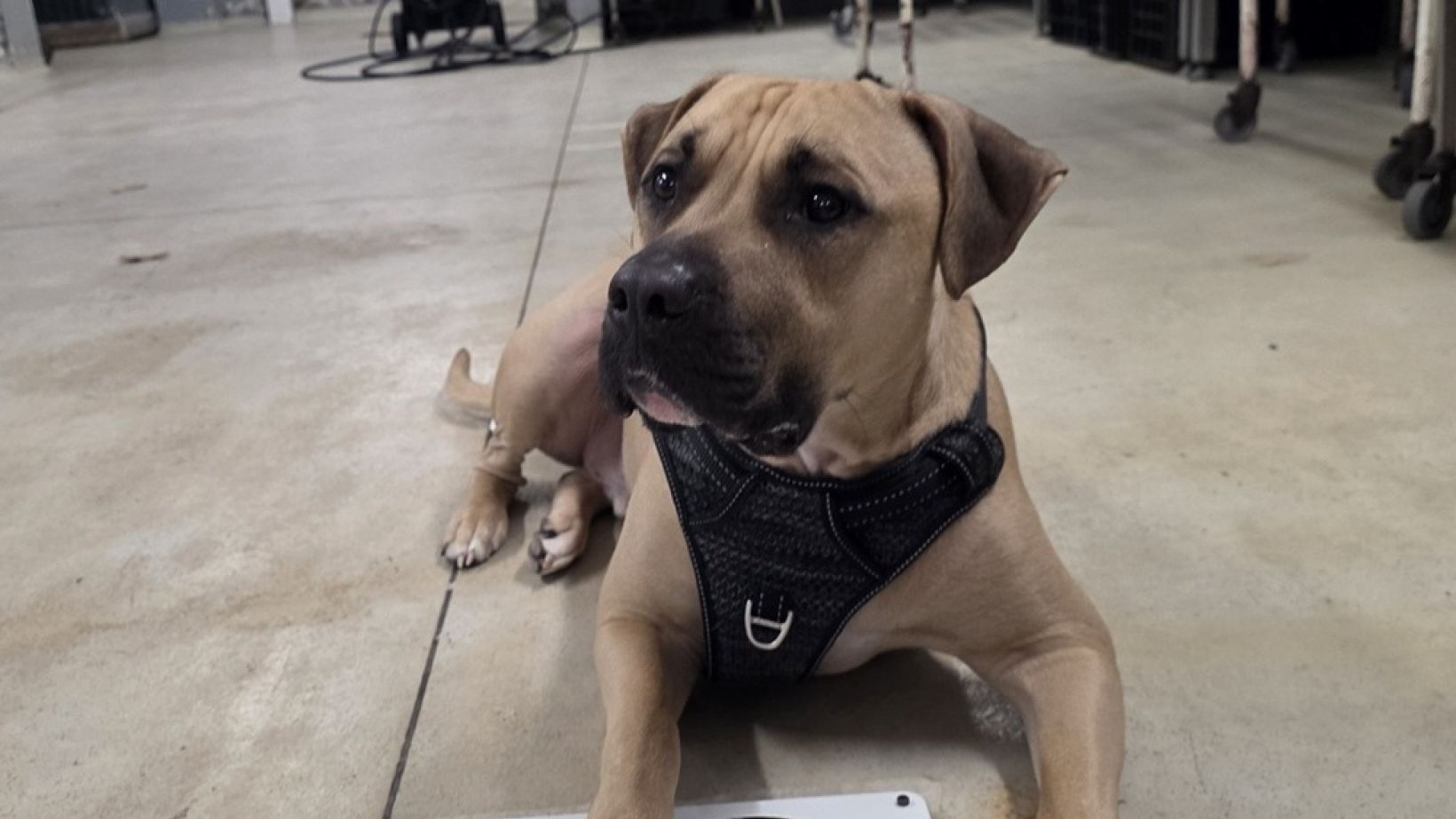
Dogs have been trained to detect explosives, invasive species and even certain medical conditions. At Stellenbosch University, researchers are asking whether those extraordinary noses could have another application: wine.
MSc student Taryn Pantony, under the supervision of Dr Jeanne Brand at the South African Grape and Wine Research Institute (SAGWRI), is investigating whether trained detection dogs can recognise TCA, the compound primarily responsible for cork taint.
The study brings together wine science and canine scent detection. WineLand spoke to Taryn and volunteer handlers Nerina Napoli of The Wag Way Training, Sanjo Rose of HeartDogs Training and Justine Geffen about teaching dogs to find a wine fault most humans would rather never smell.
How do you teach a dog to find TCA?
Taryn: “Through structured scent discrimination exercises, the dogs learn that finding the target odour leads to a reward. The searches become progressively more challenging as they develop their skills.”
Nerina: “We used dogs that already had scent training and adapted what they knew. We use positive reinforcement and make the training fun. To my dogs, this is a fantastic game.”
And what does a successful find look like?
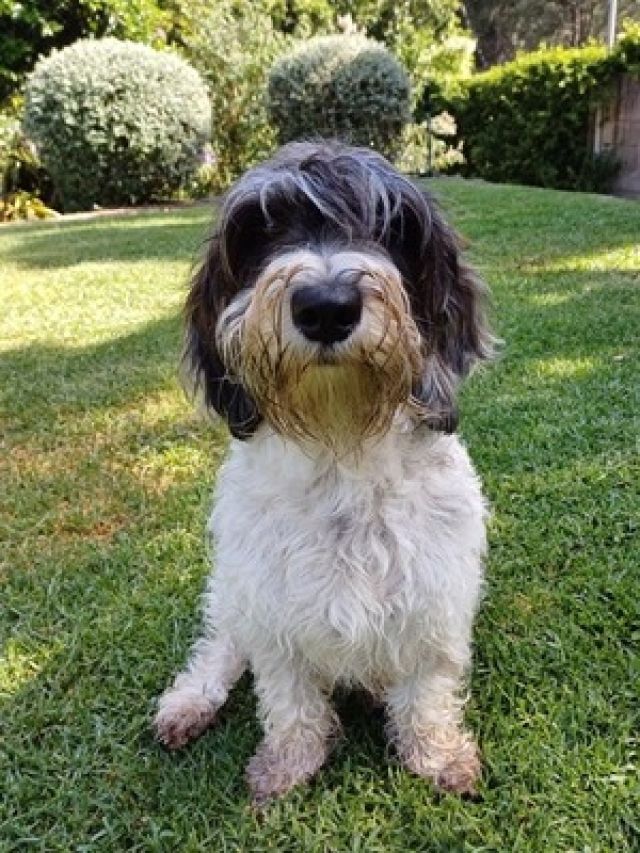
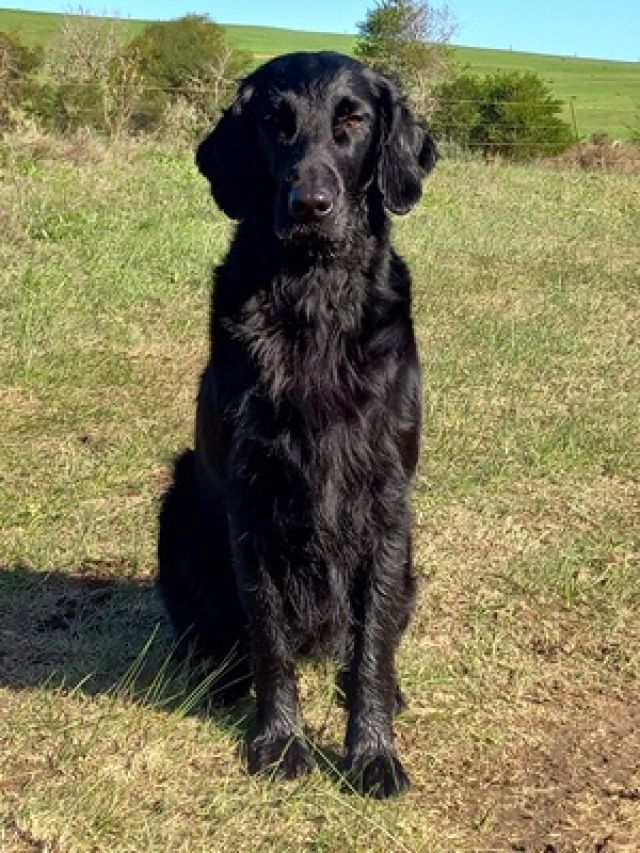
Nerina: “They work off lead and search until they find the scent. Phoebe lies down with her head lowered and her nose virtually on the spot where the TCA is. Cleo paws and then lies down. Different dogs can be taught different indications. You need to be able to read your dog.”
Phoebe, a three-year-old Petit Basset Griffon Vendéen, is a scent hound and, according to Nerina, “enthusiastic, committed and a bit of a show-off”. Cleo is her nearly nine-year-old Flat Coated Retriever and a seasoned working dog who has even been trained to find vapes in schools.
Does a dog need to be a natural scent specialist?
Taryn: “One of my favourite things about the project is the diversity of the dogs involved. We have everything from a Boxer and Border Collie to a Rhodesian Ridgeback, Labrador, Golden Retriever, Flat Coated Retriever, Petit Basset Griffon Vendéen and even a Pit Bull cross.”
“They all have different personalities, ages and experience levels. Just like people, they have their own ways of solving problems.”
Sanjo’s Border Collie, Skid, came with more experience than most. A trained Conservation Detection Dog, TCA was already his seventh target odour.
Could an enthusiastic pet dog learn to do it?
Sanjo: “It’s important to have a dog that is reward motivated, either by a toy or a treat. If your dog isn’t reward motivated, it will be very difficult for them to maintain focus in new and distracting environments.”
But enthusiasm alone is not enough.
“Training is immensely rewarding, but it is a big-time commitment. You need to be prepared to commit to several months of training at the very least.”
What has been the hardest part?
Justine: “I was surprised by how stressful I found it. As a handler, your own stress can affect your dogs’ confidence. Anxiety travels down the leash.”
The challenge increases as the target odour becomes weaker. With animals, handlers and an extremely volatile compound all involved, controlling every variable is difficult.
“Getting it ‘wrong’ can make the dogs unsure of their decisions,” she says. “Understanding the limitations of using animals for this kind of research helps uncover what needs to happen to achieve a high success rate.”
For Taryn, this is precisely why the research matters. It is not simply about proving that dogs have good noses, but understanding whether their ability can be used reliably and scientifically.
Have the dogs ever surprised you?
Nerina: “I work with dogs every day and, in honesty, I knew they would be able to do this.”
“There were days when I knew I hadn’t put in enough training because of work, and then they blew me away by just knowing exactly what they were doing.”
“I believe humans have only scratched the surface of what dogs can do with their noses.”
Could we eventually see dogs working in South African wine cellars?
Taryn: “Right now, we’re simply asking the scientific question of whether it’s possible and how it could or should be done.”
Whether canine detection ever becomes part of the wine industry remains to be seen. For now, the project is testing what happens when two very different fields meet.
“A lot of interesting ideas come from asking: Wouldn’t it be cool if...?” Taryn says. “And sometimes, it seems, the answer arrives with four legs and an exceptionally good nose.”

More from
Innovation and insights
AI and automation lead the way at SIMEI 2026
From smarter fermentation to water-saving bottling systems, this year’s SIMEI Innovation Challenge winners offer a glimpse of where winery technology is heading.
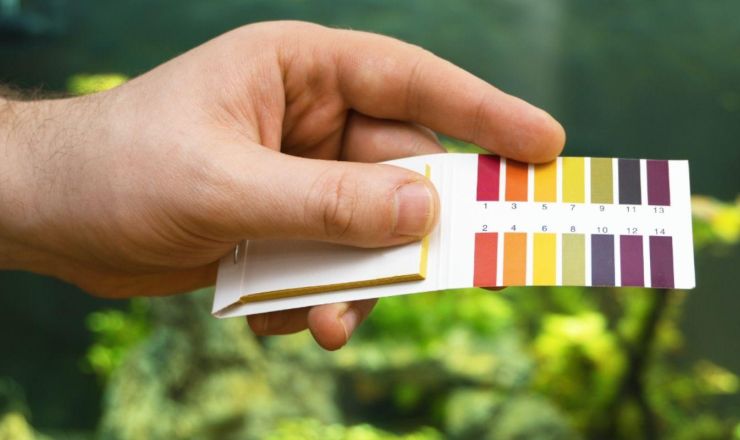
High pH winemaking - risks and solutions
This article examines the implications of elevated pH and reduced acidity in must and wine, and presents LAFFORT® solutions to address these challenges.

Meet the researcher: Getting ahead of the fungus
What happens in a vineyard long before powdery mildew becomes visible? Dr Minette Havenga is studying how fungal pathogens survive, spread and respond to fungicides. We talk research, resistance and why, if she weren’t a scientist, she might be investigating something entirely different.