
A champion’s legacy lives on
After two decades of producing exceptional cool-climate wines in the Outeniqua Mountains, The Goose Wines is starting a new chapter.

· 5 min read
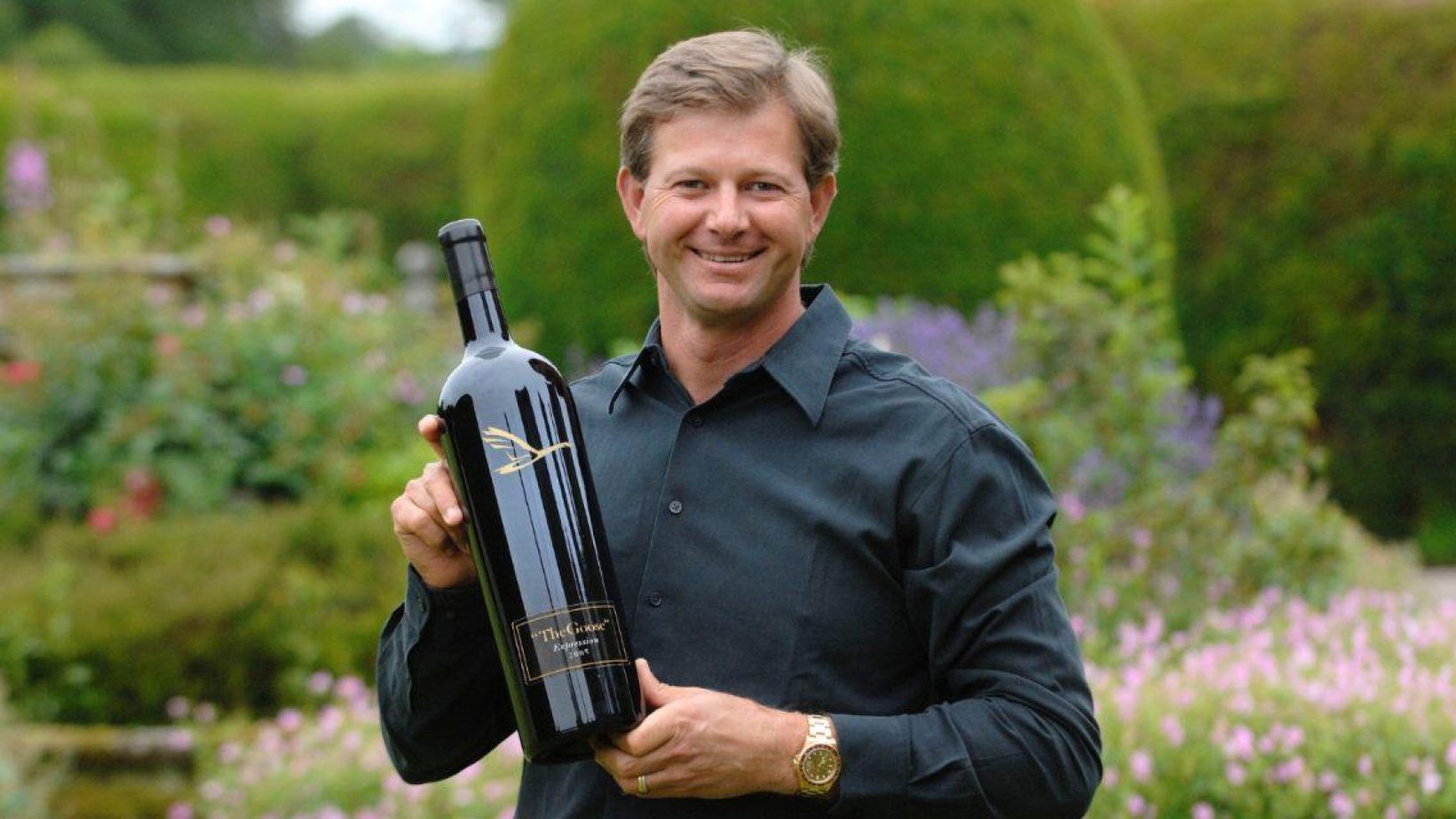
The farm famous for producing The Goose Wines was sold last year due to the brand’s rapid growth, which had outstripped the production capacity of its original vineyards. Today, the company and brand are still thriving, a testament to the vision of South African pro golfer Retief Goosen and business partner Dr Werner Roux, who saw the vineyards’ potential in the apple-dominated Upper-Langkloof region.
To maintain the quality and style The Goose Wines’ loyal customers expect, the team has begun sourcing grapes from other cool-climate regions with similar viticultural practices. “While the terroir won’t be identical, we’re very intentional about sourcing from vineyards that reflect our philosophy and character,” brand manager Lindi Koen says.
The journey of Goose Wines began in 2006. The vineyards, originally planted by the previous owner, included Cabernet Sauvignon, established in 1999; Shiraz, planted in 2000; and Sauvignon Blanc in 2002. The maiden vintage was The Goose Expression 2005. At the time, The Goose Wines produced only Sauvignon Blanc and its flagship blend, The Goose Expression, which remains a blend of Cabernet and Shiraz.
Those who’ve followed Retief’s golfing career know him for his calm, composed presence, with his signature poker face revealing little. “That’s exactly why we named it The Goose Expression,” Lindi says. “It’s a subtle nod to that unreadable look.”
Retief’s path with wine began in 1994 when he met his wife, Tracy. “I wasn’t much of a drinker at the time, but since she enjoyed wine, I started tasting it and gradually learnt more about it,” he says. What started as something to share and enjoy with Tracy quickly became a genuine passion that’s grown over the years.
“Winemaking and golf have a similar philosophy,” he says. “With both you strive to give your best in pursuit of the best possible outcome. Patience, precision and personal investment go into every step, whether crafting a wine or lining up a putt. Neither offers shortcuts, but the reward is worth the effort.”
The terroir approach The original vineyards were planted 760 m above sea level and, as the crow flies, 15km from Wilderness Beach, on the inland side of the Outeniqua Mountains. This proximity to the coast brings a cool sea breeze, with the annual average temperature of just 17 °C creating ideal conditions for viticulture.
The combination of altitude and climate means a much longer ripening period, especially for the red wines. “We were probably the last farm in South Africa to harvest,” Lindi says with a laugh. “In 2010 or 2011, we were still picking Cabernet as late as the end of April, which is incredibly late by industry standards. Even our Sauvignon Blanc, usually the first to be harvested, was typically picked in March.”
The team has since worked to educate the market about the ageing potential of cool-climate white wines. “While many people tend to drink white wine soon after it’s released, wines such as ours benefit from some time in the bottle,” Lindi says. The initial high acidity softens over time and allows the fruit flavours to become more expressive and achieve a harmonious balance.
Sustainability has always been central to The Goose Wines’ philosophy, with a strong focus on shifting towards more organic, eco-friendly, and biodynamic practices. “Because of the cool climate the vineyards were grown in, we have been able to reduce chemical inputs and spray programmes significantly compared with other wine regions,” general manager Michéle Botha says.
While the farm was still in Retief’s hands, the vineyard soil was covered in mulch to suppress weeds without using herbicides. It also improves soil moisture and retains water. No machinery was used in harvesting to minimise air and noise pollution. Pests were managed through an integrated pest management system that combined biological, physical and chemical methods for sustainable pest control. Cattle also grazed between the vineyards as part of manure management and to use animal waste as fertiliser while controlling runoff to prevent pollution.
Winemaker Alwyn Liebenberg brings years of experience to the table. His philosophy is simple: wine is made in the vineyard. “We try not to interfere too much during the winemaking process,” he says. “If the grapes aren’t good, no amount of cellar work can fix that. That’s why we focus so much on nurturing the vineyard. Great wine starts with great fruit.”
The journey continues The Goose Wines’ biggest market remains South Africa, with strong support from loyal, repeat customers who buy directly through the online store and newsletter. While the wines are available in stores and restaurants across major cities such as Cape Town and Johannesburg, The Goose Wines’ export presence is also steadily growing in countries such as America and Germany.
Although the original chapter with the farm has closed, the legacy of its vineyards lives on. Over the next few vintages, including the 2024 vintage, which will mark the final release, The Goose Wines will continue to bottle wine, especially reds, from barrels maturing with grapes harvested from its Langkloof vineyards.
The dream for the future is to continue growing the brand, both in volume and reach, while never compromising on quality. “A major focus going forward is to expand our export footprint, taking The Goose Wines to even more wine lovers around the world,” Lindi says.
While the story of The Goose Wines began on a single farm, the journey is clearly far from over.
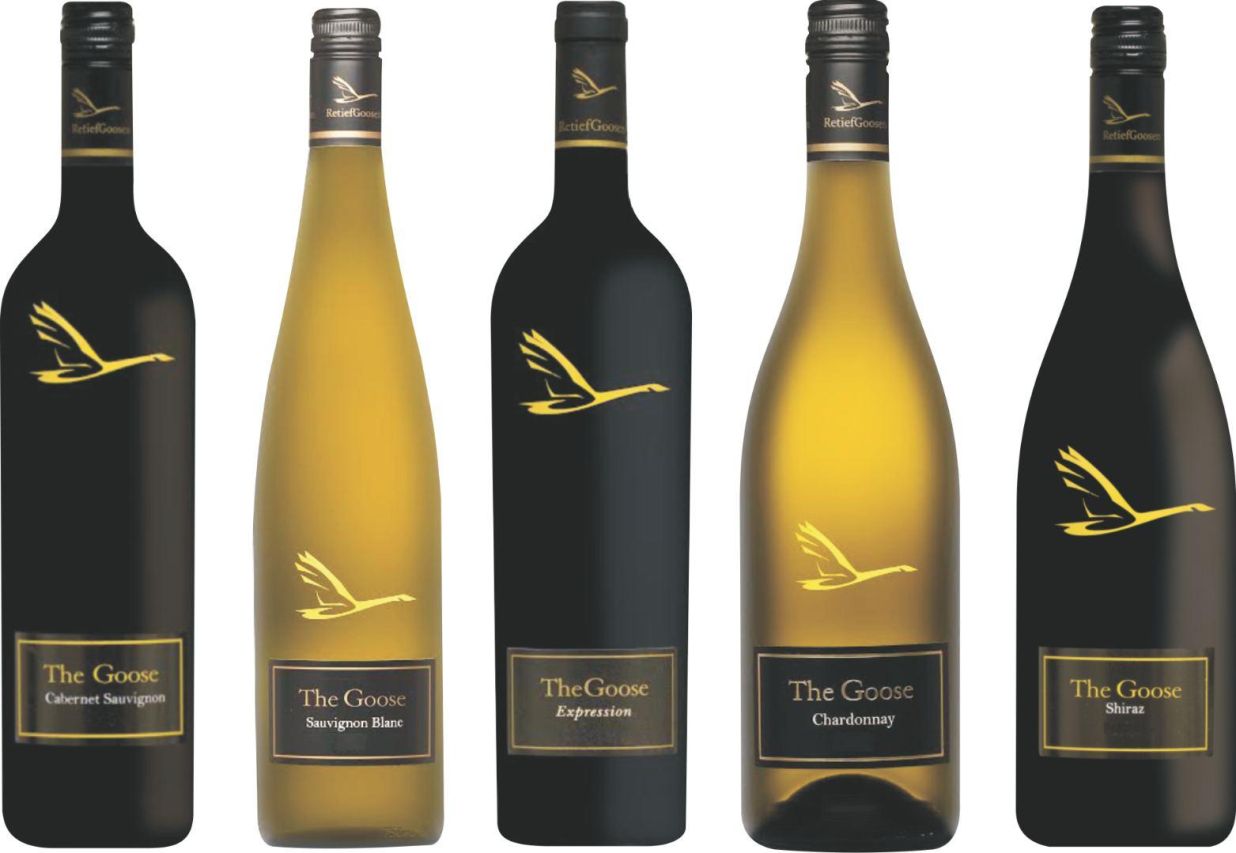
To explore more articles in our August issue, Champions of Change, purchase our digital or print magazine here.

More from
Markets, business and trade
Precision Fermentation: Biotech to balance Flavours, Acid and Alcohol
As warmer vintages widen the gap between ripeness and freshness, a new generation of selected yeasts lets winemakers rebalance wine during fermentation, not after.
WBWE – a global business barometer
If you want to understand where the global wine industry is heading, don’t look only at retail shelves or export statistics. Look at what is happening in the bulk wine market.
Reaching for the summit
Every mountain has a summit, and every summit demands time to reach it.