
All roads lead to Wine Paris
With professionals from more than 169 countries attending Wine Paris in 2026, the exhibition has become an increasingly important meeting point for the global wine trade. Nicolas Cuissard, Director of Wine Paris, speaks to WineLand about the exhibition’s growing international influence, opportunities for South African producers and what it takes to turn participation into business.

· 5 min read

What has made Wine Paris one of the world's leading wine exhibitions?
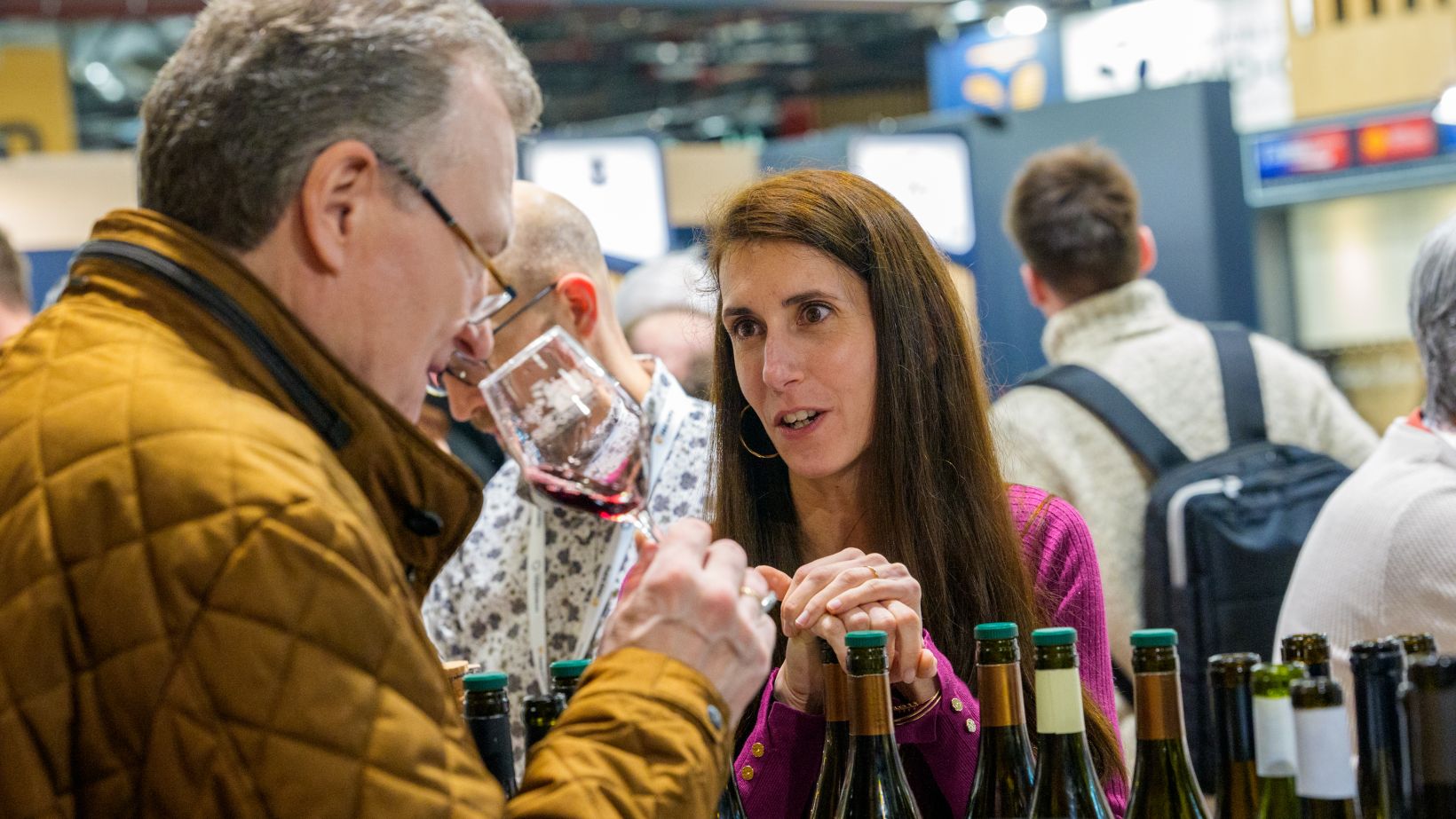
I think the main reason is that Wine Paris answers a very practical need. The wine and spirits business has become more international, more fragmented and, in many ways, more complicated. People need a place where they can meet the right partners, have useful conversations and move business forward.
Wine Paris brings much of that together in one place, at the right time of year. Producers come to meet buyers, importers and distributors from around the world, while buyers know they will find a broad and increasingly international offering.
Paris itself is also part of the appeal. It is accessible, naturally international and creates an atmosphere where business continues well beyond the exhibition halls.
What sets Wine Paris apart from other international trade fairs?
For me, it is the combination of a highly international offering, a targeted audience of decision-makers and the overall experience.
Our visitors are buyers: importers, distributors, retailers, hospitality professionals and other decision-makers who arrive with clear sourcing objectives and real purchasing power. They are there to discover, select and buy, which makes conversations focused and commercially relevant.
The experience also extends beyond the exhibition halls. Tastings, dinners, events and meetings continue across Paris. Business is central, but so is conviviality.
How has the profile of exhibitors and visitors changed?
We are seeing more producers from outside France choosing Wine Paris to build their export business, alongside a broader mix of international visitors. In 2026, professionals from more than 169 countries attended.
But it is not only about numbers. Visitors are increasingly organised. They arrive with appointments, target markets and clear sourcing objectives, and make growing use of our Business Matching service to identify contacts and schedule meetings in advance.
The growth of Be Spirits and The Other Sips also reflects a changing market, with buyers looking beyond traditional beverage categories.
Wine Paris is not simply getting bigger. It is becoming broader, more international and more commercially focused.
Where do you see Wine Paris heading over the next five years?
I see Wine Paris becoming much more than a three-day trade show.
Our ambition is to create an even stronger global meeting point for the wine and spirits community, but also a place of content and influence.
The industry faces important questions around changing drinking habits, moderation, new beverage categories, climate change, sustainability, digitalisation and emerging markets.
No single organisation has all the answers. Our role is to bring business leaders, experts, institutions and decision-makers together to exchange perspectives and help the industry prepare for what comes next.
How important is South Africa to Wine Paris?
South Africa is a very exciting wine country because it combines history, diversity and new energy.
It has a strong winemaking heritage, distinctive terroirs and internationally recognised producers. At the same time, a younger generation is bringing fresh ideas, new styles and a modern approach to the market.
South Africa can also compete at different levels. It offers excellent value in some categories, alongside premium wines that compete seriously on the international stage.
Wines of South Africa plays a major role through its substantial presence at the show. We are also pleased to welcome the new Wine of Colour South Africa pavilion.
Independent exhibitors, including DGB, Boekenhoutskloof, Spier and Simonsig, further strengthen the country's representation.
What opportunities does Wine Paris offer South African producers?
The biggest advantage is the concentration of international buyers.
Over three days, a South African producer can meet people from Europe, North America, Asia, Africa and many other markets. Export development normally requires considerable travel, time and investment. Wine Paris brings many of those conversations together in one place.
There is also strong interest among buyers in discovering origins and producers they do not yet know well.
South Africa has distinctive terroirs, old vines, strong regional identities, iconic grape varieties and compelling stories.
It is an opportunity to demonstrate that South Africa should not be reduced to one style or price point. The country offers accessible wines, premium wines, established brands and niche, terroir-driven producers.
What advice would you give South African producers exhibiting for the first time?
The most important thing is to start preparing before the show.
Know which markets you want to target, which buyers you want to meet and what you want to achieve. Use the Business Matching service, book meetings in advance and build a proper agenda. Relying only on people walking past your stand leaves too much to chance.
I would also say: do not only talk about the wine. Talk about what makes you different.
South Africa has stories buyers are interested in, from old vines and specific terroirs to heritage, innovation, sustainability, people and place. Those elements help create a connection.
And think internationally. Do not come to Wine Paris with only France or Europe in mind. Buyers attend from across the world.
The three days in Paris matter, but the real value comes from the work done before the show and the follow-up afterwards.

More from
Markets, business and trade

Does Government know what it’s costing you?
A decision made in Pretoria can change the way a wine business operates. But who makes sure the people making those decisions understand what happens on the ground? South Africa Wine’s Jordyn Goeieman takes us inside the often unseen work of influencing the policies that affect the industry.
Before you bottle it, can you sell it?
A good wine and an attractive label are not enough to build a sustainable business. South Africa Wine’s Phil Bowes explains why finding customers, testing assumptions and understanding the numbers should come before committing to a new wine brand.
You know your farm and we know how to handle your finances
You're an expert in your field. You know what equipment you need, when you need it, and what it takes to bring in an exceptional harvest.