
A small but mighty global player

· 3 min read

South Africa may not top the charts of global wine production, but its footprint on the world stage is far larger than its size suggests. According to 2025 data from the International Organisation of Vine and Wine (OIV) and the South African Wine Industry Information and Systems (SAWIS), the country has carved out a durable position as one of the world’s most significant wine-producing and exporting nations.
Vineyards and production
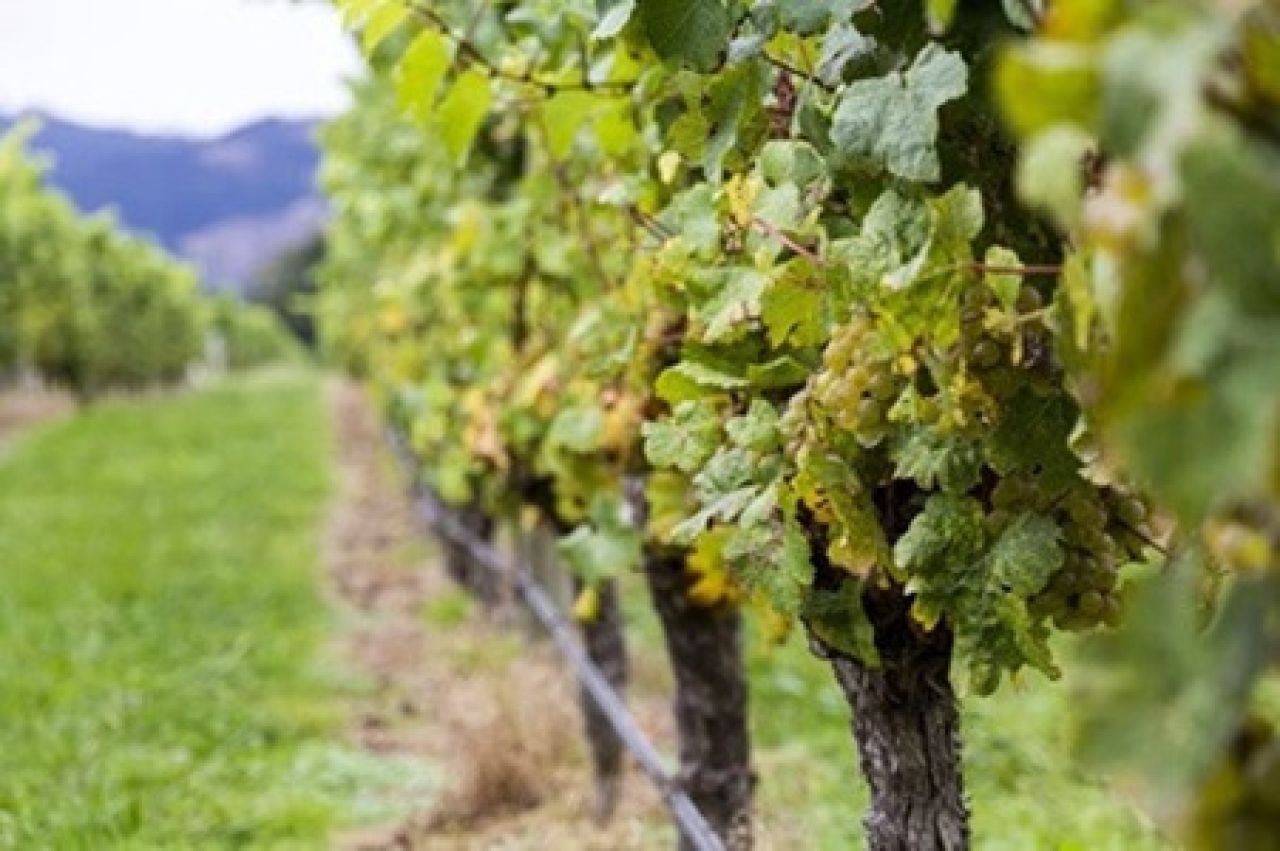
South Africa’s vineyards cover 86 525 hectares of table and wine grapes, making it the 17th largest area under vines in the world and accounting for roughly 1.5% of the world’s total vineyard surface. Around 2 176 wine grape farmers work this land, and notably, about 40% of them produce fewer than 100 tons of grapes annually. This means that the industry still has a strong base of small-scale producers alongside its larger commercial operations.
In terms of output, South Africa produced 1.28 million tons of wine grapes, ranking as the 7th largest wine-producing country globally and contributing 4.5% of world production. That production runs through 507 cellars, again with about 40% classified as smaller operations producing under 100 tons. On the global production pie chart, Europe dominates with 60% of world output (driven largely by France, Spain, and Italy, which together account for 48% of world production and 55% of world exports), while South Africa holds a steady 3,4% slice alongside Australasia (7%) and the combined Argentina/Chile/Brazil bloc (10%).
Domestic consumption
South Africans consumed roughly 421 million litres of wine against 264 million litres exported in 2025, with the domestic market valued at R26.5 billion (excluding brandy). The country’s wine consumption is estimated at around 8.69 litres per capita, placing it an estimated 13th globally.
Looking at the ten-year domestic trend, total wine sales peaked at 473 million litres in 2022 before easing back to 420.6 million litres in 2025, a 7.7% year-on-year decline. Within that domestic mix, dry red remains the most popular style at 17% of still wine volume, followed by natural sweet red (15%), Perlé (13%), and natural sweet white (13%).
Exports
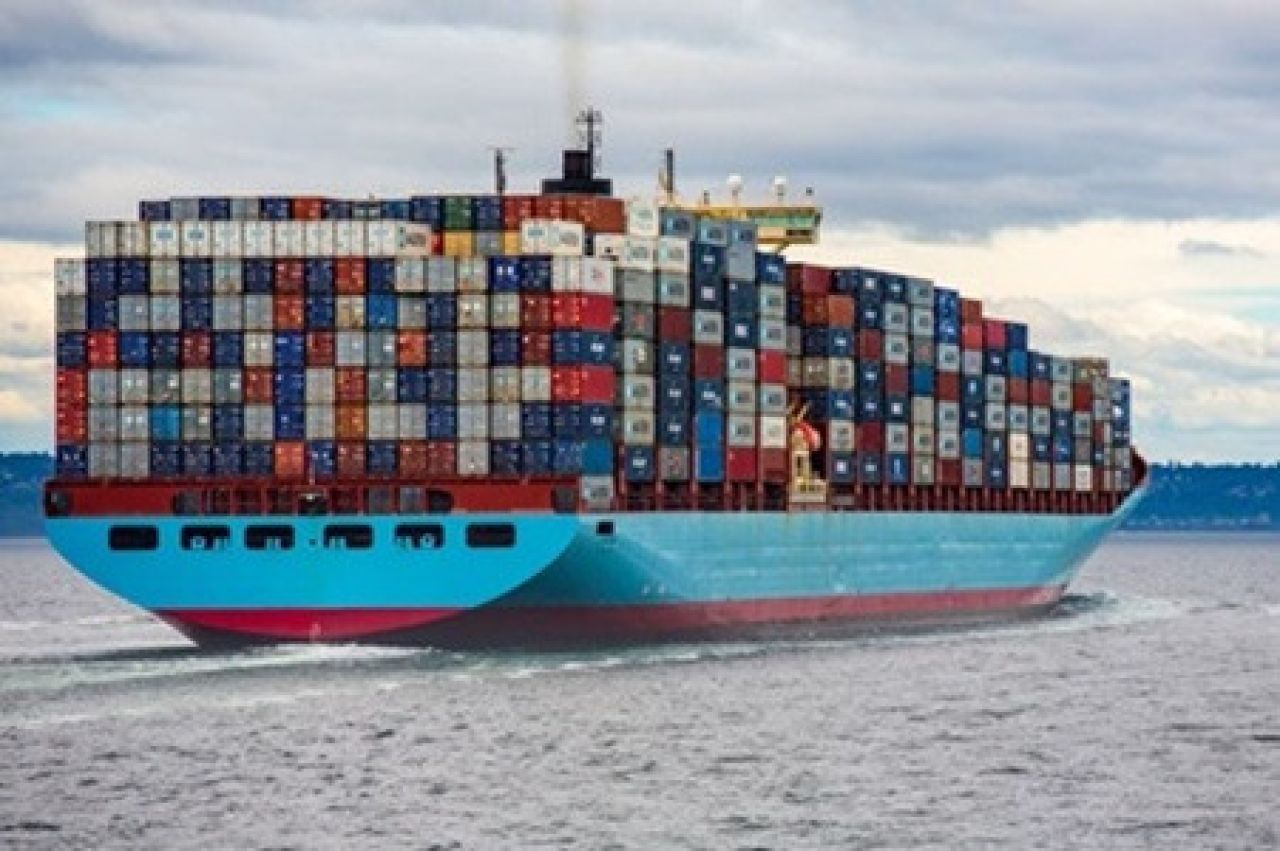
Exports tell an equally interesting story. South Africa is the 7th largest wine exporter by volume, representing 3.4% of world exports, generating R9.8 billion (roughly US$0.55 billion) in revenue. Some 611 exporters compete in this space, but the market is heavily concentrated: the top 10% of exporters (just 61 companies) are responsible for 89% of all export volume.
Packaged wine made up 45% of exports versus 55% bulk wine in 2025, though export volumes overall have been under pressure, falling from 306 million litres in 2024 to 263.8 million litres in 2025. The United Kingdom is comfortably the top destination by both value and volume, leading in both packaged exports (over 23 million litres) and bulk exports (over 52 million litres), followed by the Netherlands, UAE, Sweden and Russia for packaged wine, and Germany, France, Denmark and Belgium for bulk.
Perhaps most tellingly, over the past five years South African wine has, on average, been the third largest contributor by value to the country’s total agriculture and food product exports, a testament to how central the industry is to South Africa’s broader trade economy, well beyond what its modest 4,5% share of world production might suggest.

More from
Markets, business and trade
What happens on farms may hold the key to the future of South African vineyards
South African wine producers have access to more climate data than ever before. Weather stations, satellite imagery, forecasting models and farm records are all adding to the picture. A recent South Africa Wine and TerraClim Fireside Chat focused on another important source of information: the…
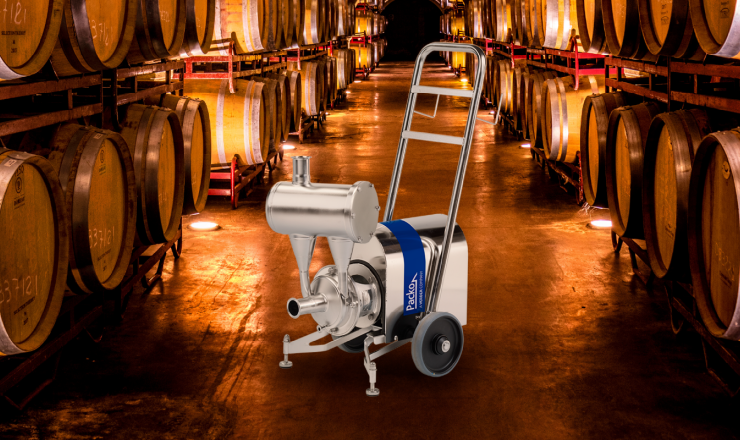
Rethinking wine transfer: Why centrifugal pumps deserve a second look
In the pursuit of premiumisation, proper pump selection can make all the difference.
How to build a diversified wine business in South Africa: 5 practical lessons
Building a wine business has never been simple. Today, it comes with even more moving parts. Consumers are drinking more thoughtfully, export markets are competitive, and relying on a single category is becoming increasingly risky. So what does it take to build something that lasts? Cape Wine…