
Five international collaborations worth discovering
Great wine has always reflected a sense of place. Increasingly, it also reflects the people, conversations and partnerships that happen far beyond the vineyard.

· 6 min read
The article presents international wine collaborations as exchanges of ideas and expertise, not attempts to imitate another country. It explores Porcupine Ridge South Island Marlborough Sauvignon Blanc, harvest experience that shaped Andrea Mullineux and the Swartland, and mentorship that helped Klein Constantia and Vin de Constance. Penfolds’ Wine of the World programme and Opus One show how winemakers can bring regional strengths together while respecting each place’s identity.
Summary written by AI from this article. The full article is under “Deep dive”.
Wine has always travelled. The Romans carried vines across Europe, Dutch settlers planted vineyards at the Cape, and today, ideas move even faster than grapes ever could.
A conversation in Germany leads to a harvest in New Zealand. A South African winemaker spends a vintage in California before returning home with fresh ideas. A Bordeaux château partners with Napa Valley to create something entirely new. None of this makes wine less authentic. If anything, it makes it richer.
Behind many of today’s most interesting bottles is a story that stretches across countries, continents and cultures. Here are five that caught our attention.
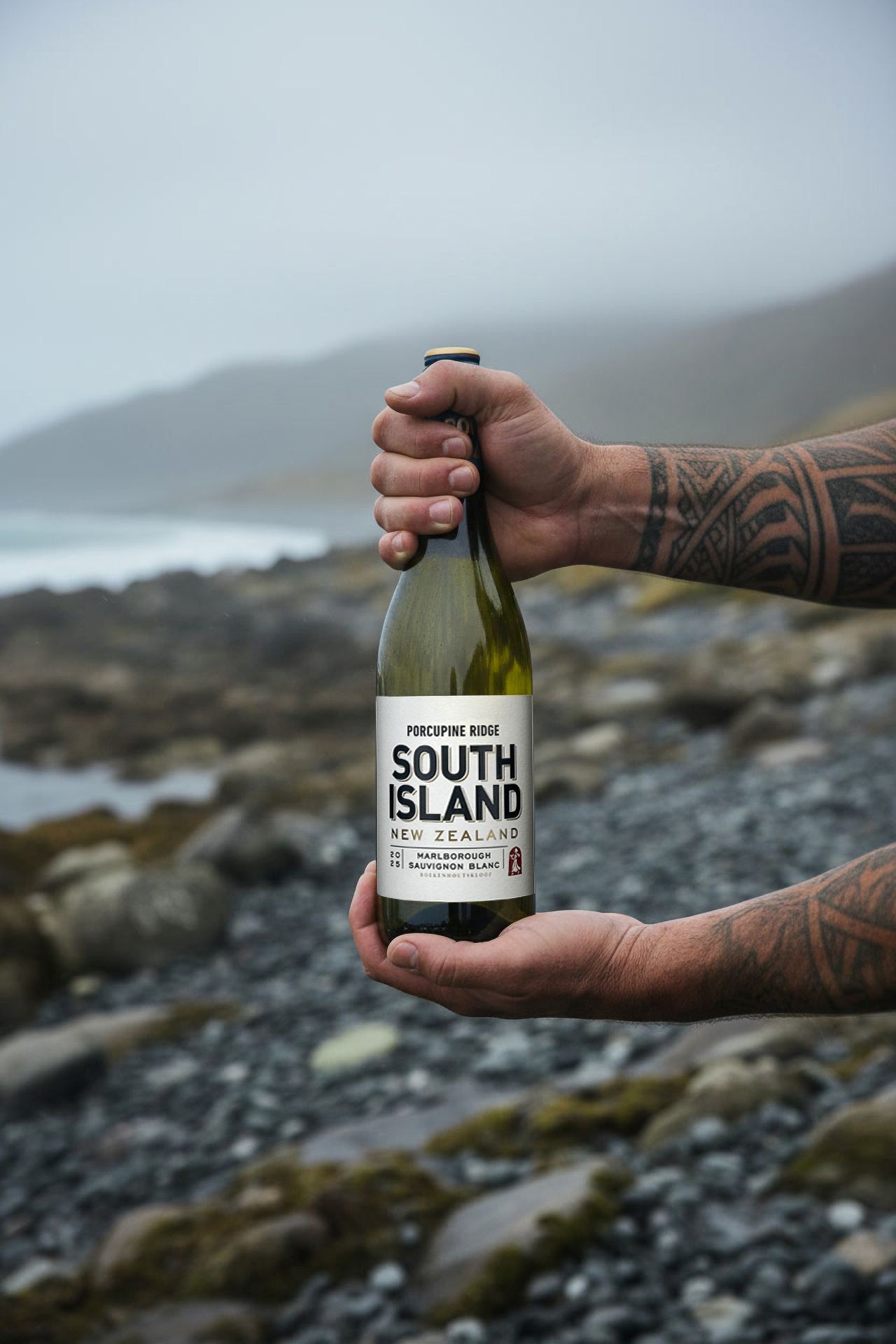
A South African brand with a New Zealand accent
Porcupine Ridge South Island Marlborough Sauvignon Blanc
The story began, fittingly, over conversation rather than in a vineyard. At ProWein in Germany, an idea emerged: what if one of South Africa’s best-known wine brands partnered with a family-owned producer in Marlborough, New Zealand’s most famous Sauvignon Blanc region? The result wasn’t an attempt to make South African wine elsewhere. Nor was it about borrowing another country’s identity. It was an opportunity to explore what happens when two regions, each with its own distinctive expression of Sauvignon Blanc, approach the variety with curiosity instead of competition.
“Wine should keep surprising us. Projects like this stimulate me because they’re noble and new,” says Marc Kent, Boekenhoutskloof founder and winemaker of this wine. “Great wine starts in the vineyard, but sometimes the best ideas start around a table. This one began with a conversation between friends who love Sauvignon Blanc.”
The winemakers who never really stop harvesting
Twice a year, airports fill with young winemakers chasing the next vintage. As one harvest finishes in the Cape, another begins in Europe, North America or New Zealand. Many South African winemakers have spent time working abroad, just as international cellar teams regularly arrive here during our harvest. It’s one of the wine industry’s quiet traditions. The vineyards may change, but the lessons travel home. A different way of managing fermentation. A new perspective on canopy management. A more experienced palate. And, perhaps most importantly, a clearer understanding of how one’s own vineyards and region fit into a global context.
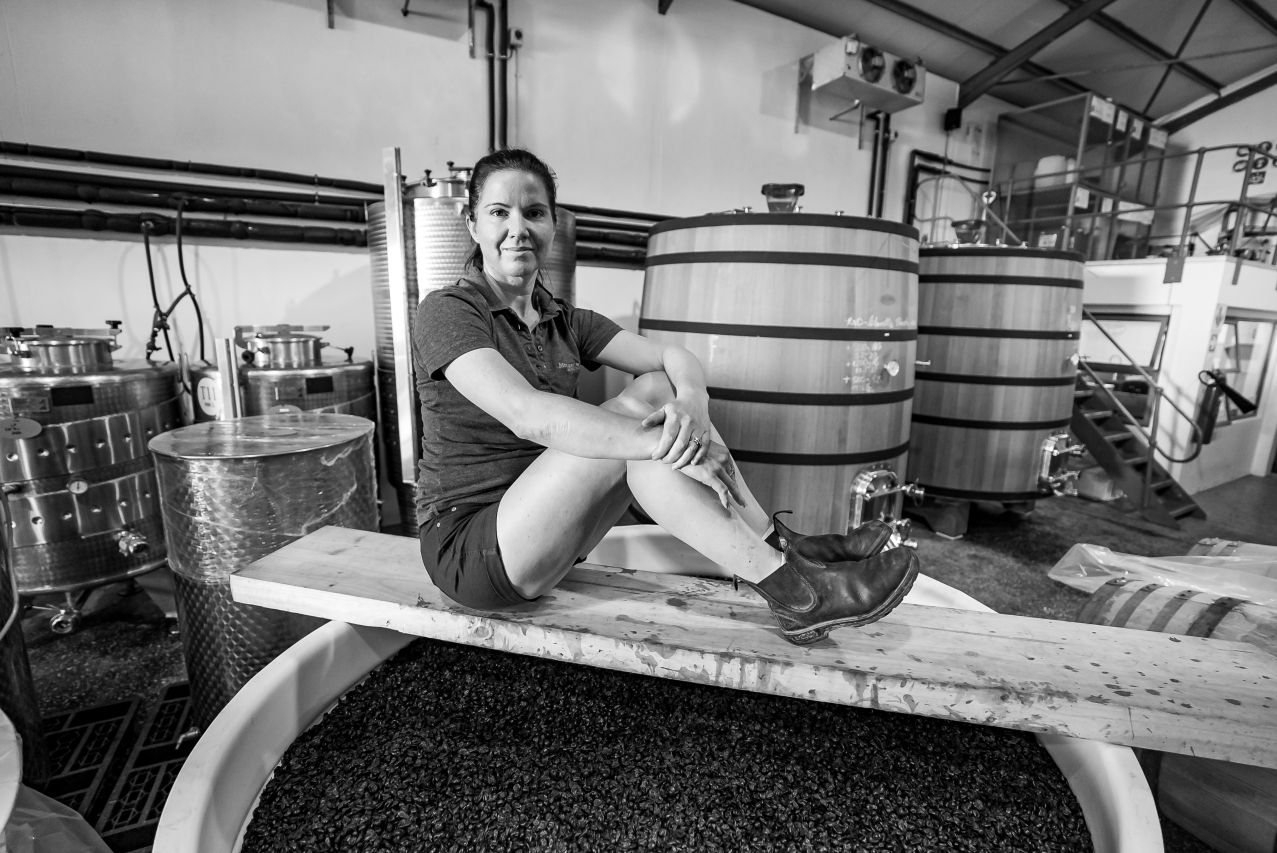
Few experiences influence a winemaker more than seeing how someone else does it. For Andrea Mullineux, co-founder and winemaker at Mullineux, working multiple harvests abroad as a young winemaker offered an education no textbook could replicate.
“If you work for the right mentor, you learn the rhythm of the vines, the things that really matter in the cellar, and the quiet discipline of having a vision and believing in your vineyards under pressure,” she says. And those early seasons in different climates and cellars influenced the way she farms and makes wine today: with patience, attention to detail and respect for what the vineyard is trying to say. And the impact was bigger than any one career. Andrea believes the overseas experience gained by a generation of young South African winemakers also helped lift the Swartland. As they returned home, collaborated and eventually came together through the Swartland Revolution, they brought new ideas, techniques and a stronger understanding of their terroir in a global context. In the process, a once-overlooked region began to stand proudly on the world stage.
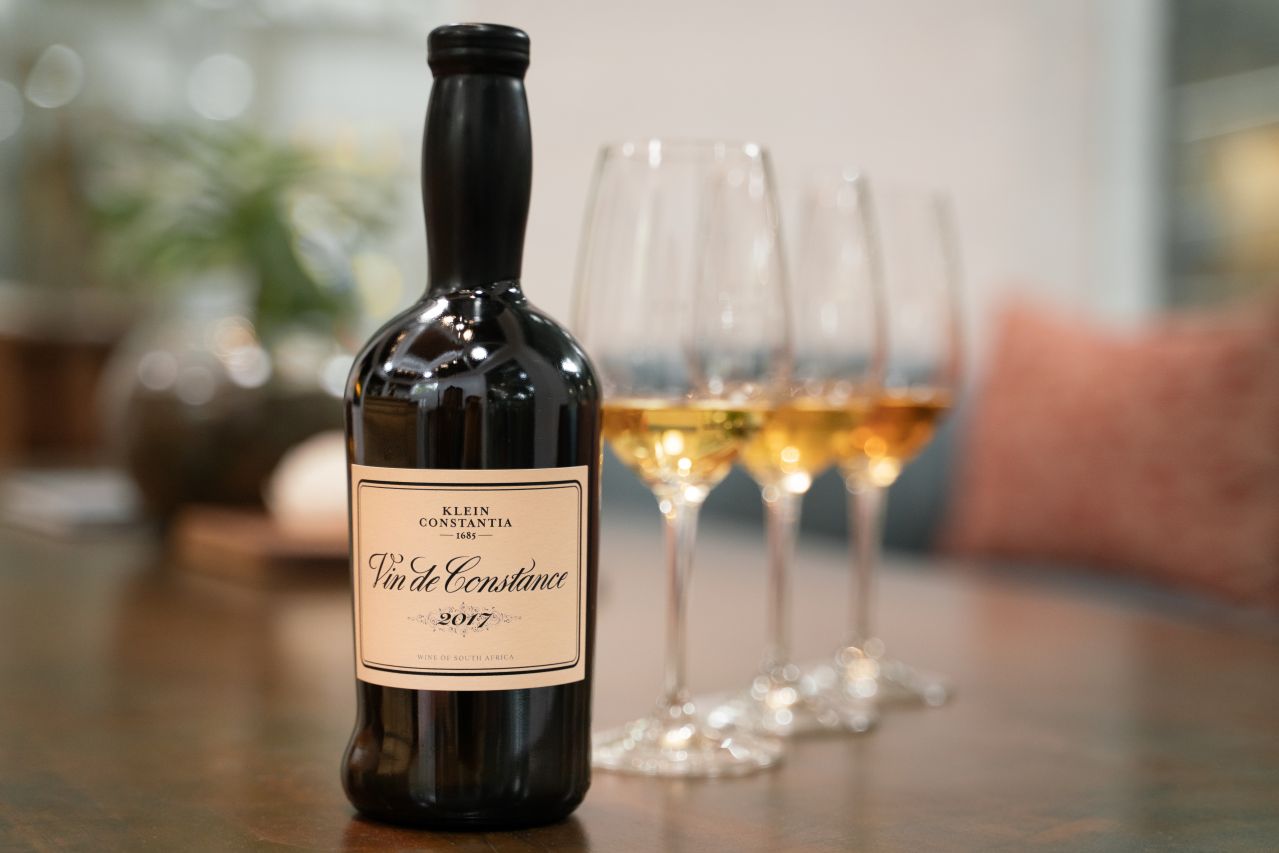
When an old legend finds new energy.
Vin de Constance Not every international collaboration starts with a blank sheet of paper. Sometimes it begins with a wine that already has an extraordinary story.
Klein Constantia’s Vin de Constance has been admired for centuries, yet its modern journey on the international stage has also been shaped by global expertise and long-term mentorship. When Matt Day was appointed Head Winemaker at Klein Constantia at just 26, the new owners brought Bordeaux figures Hubert de Boüard and Bruno Prats into the business as directors and shareholders, specifically to mentor and guide him. Fourteen years later, Matt describes that relationship as decisive for his own development as a winemaker, as well as for the evolution and international standing of Klein Constantia and Vin de Constance. “As a South African winemaker, I think we can sometimes fall into the trap of developing a ‘cellar palate’ and, to a greater extent, a distinctly South African palate,” he says. “Without an outside perspective, it can be difficult to continually challenge ourselves and strive for improvement. De Boüard and Prats brought an invaluable international perspective that kept the team questioning what they were doing and continually raising the bar.” That international standing mattered beyond the cellar, too. Matt credits the pair with helping elevate the status of Vin de Constance while also opening doors to markets and customers that might otherwise have been difficult to reach – a reminder that collaboration can be the wine in the bottle, the winemaker, and strengthen the reputation of an estate and change how a South African wine is seen by the world.
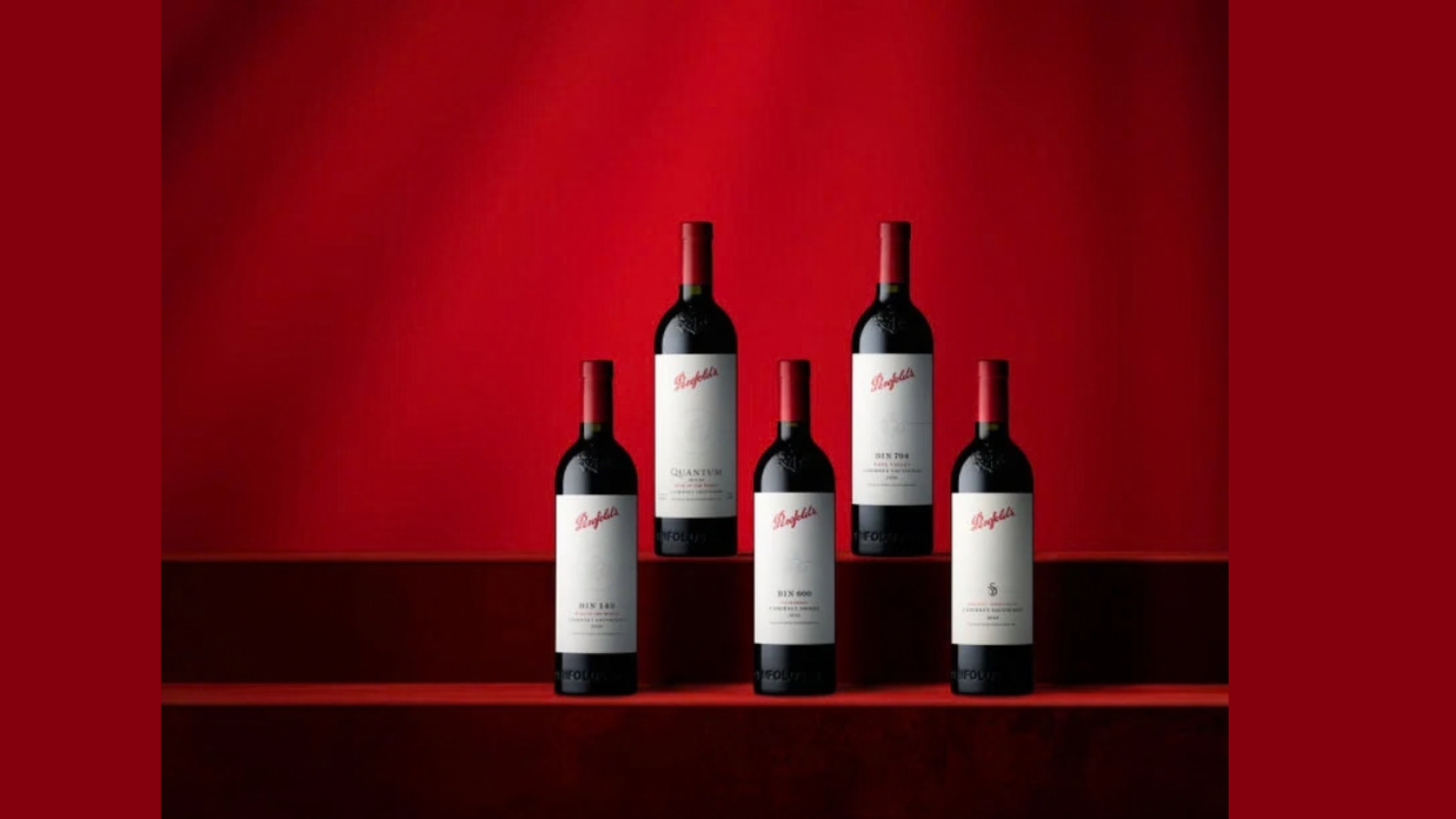
Penfolds proves great vineyards don’t need one passport
For decades, Penfolds was synonymous with Australia. Today, the winery is making wines in California, France and China as part of its Wine of the World programme.
It’s a bold idea, but not a reckless one. Rather than trying to erase regional differences, Penfolds embraces them. Each wine is rooted in its own place while benefiting from the experience of one global winemaking team.
It raises an interesting question: if music, art and food can be international, why not wine?
The partnership that changed modern wine
Long before international collaborations became fashionable, Robert Mondavi and Baron Philippe de Rothschild showed what was possible. Their shared vision brought together Napa Valley’s pioneering spirit with Bordeaux’s centuries of tradition to create Opus One, a wine that has become almost as famous for its story as for what’s in the bottle. Nearly 50 years later, it remains one of the clearest examples of what can happen when expertise crosses borders. Not a trend
None of these wines exists because someone wanted to imitate another country. They exist because people were willing to ask questions. Could this work? What can we learn from one another? What happens if we combine our strengths?

More from
Markets, business and trade
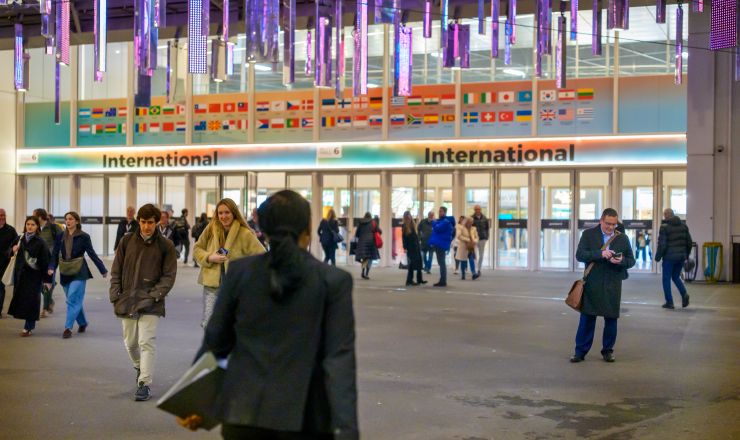
Don’t arrive in Paris hoping to get lucky
Three days in Paris can open doors to markets around the world. But the real work starts long before the exhibition. From finding the right buyers to preparing your stand and following up afterwards, here's how to make Wine Paris count.

Paris is calling. Again.
Wine Paris has become one of the important dates on the global wine calendar. For South Africa, being there matters. But being there with a plan matters more.
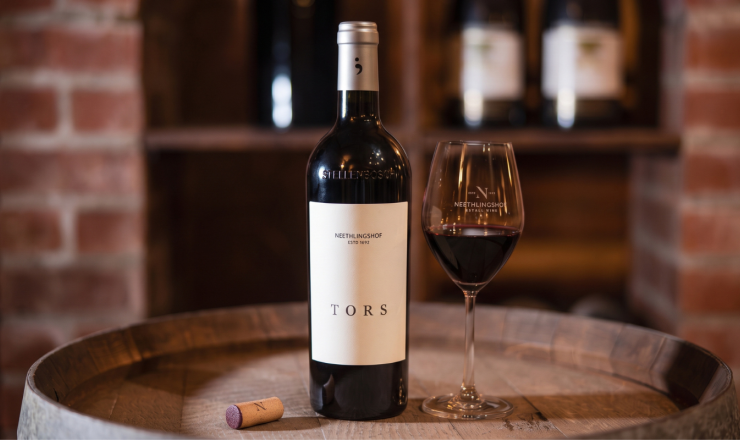
Neethlingshof debuts flagship red 'TORS' with Absa Cape Blend Top 6 Win
Neethlingshof Estate has introduced its flagship red, TORS, marking its debut with a win at the Absa Cape Blend Top 6 Awards for its maiden 2024 vintage. Crafted as the estate’s pinnacle expression, TORS was developed for fine wine collectors seeking a micro-vinified Stellenbosch blend shaped by site specificity and low-intervention winemaking.