
Alcohol industry honours excise tax payments deferred during lockdown
· 3 min read

With the second ban of alcohol sales, the South Africa alcohol industry obtained a 90-day deferment on tax payments in July and August 2020, and excise payments, worth an estimated R2.5 billion recommence in October 2020.
Spokesman for the alcohol industry Sibani Mngadi said, “The industry’s value chain plays a vital part in the country’s economy and could play an even more significant role in the post-COVID-19 recovery. Fortunately, some normalisation of trading conditions has occurred to allow the industry to return to making this valuable contribution to the fiscus.”
The industry remains concerned, however, that off-trade sales for home consumption have not returned to normal trading hours and days. At lockdown level one, bottle store sales are still limited to between 09h00 to 17h00 Monday to Friday and sales are not allowed on Saturday and Sunday.
“Like other grocery activities, off-consumption sales of alcohol should not pose a risk to the spread of Covid-19 infections. The current trading limitations are a major constraint to the recovery of the retail sector and an inconvenience to shoppers who have no opportunity purchase after 5 pm and on weekends,” said Mngadi.
In 2019, the alcohol sector’s contribution to the GDP was worth R179 billion, indirect taxes (VAT, excise tax and customs duties) amounted to R72 billion (5.6% of the government’s total income), and it provided work for 504 000 people. The industry is a significant job creator, and it is estimated that for each position created in the sector, it sustains an additional eight formal and informal jobs.
“The lockdown ban on alcohol trading caused severe financial stress on the industry, and recovery and normalisation are going to take a considerable period of time, potentially years. Above inflation increase in excise in February 2021 would prolong the hardship and negatively impact our recovery efforts. Indeed, as a result of the current level of excise duty, the industry already generates disproportionately high revenue for the government,” Mngadi added.
The combined income of the more than 504 000 people employed—who also contribute to the fiscus through direct taxation—served to support roughly 766 000 livelihoods across the society.
“We have taken to heart President Cyril Ramaphosa’s call for a new social compact around tackling the issues of illicit alcohol trading, binge and underage drinking, drinking and driving and gender-based violence,” said Mngadi.
“The industry has already committed R150 million to a programme of targeted interventions that will address these issues, focusing on achieving significant behaviour change in individual and community approaches to alcohol abuse. The sector is willing and able to contribute significantly to the country’s economic recovery. To do this, it also needs to ensure the support and understanding of the government,” he added.

More from
Markets, business and trade

How research is changing the wine we drink
Wine research starts long before the bottle reaches the shelf. It gives producers a better understanding of what happens in the vineyard and cellar, while providing evidence for decisions that can affect the wine consumers eventually drink.
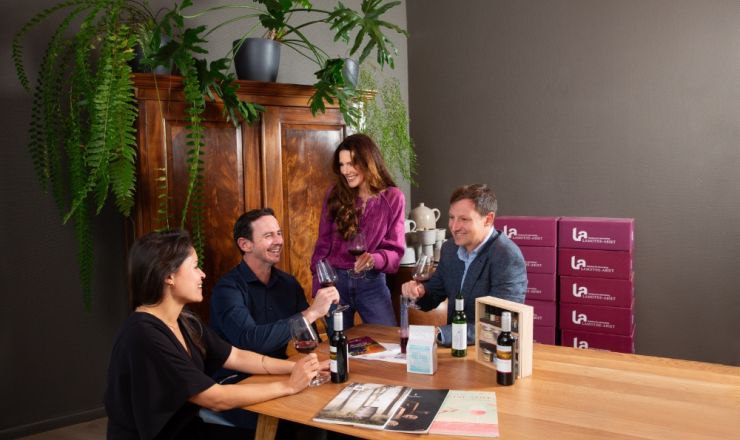
Precision Fermentation: Biotech to balance Flavours, Acid and Alcohol
As warmer vintages widen the gap between ripeness and freshness, a new generation of selected yeasts lets winemakers rebalance wine during fermentation, not after.
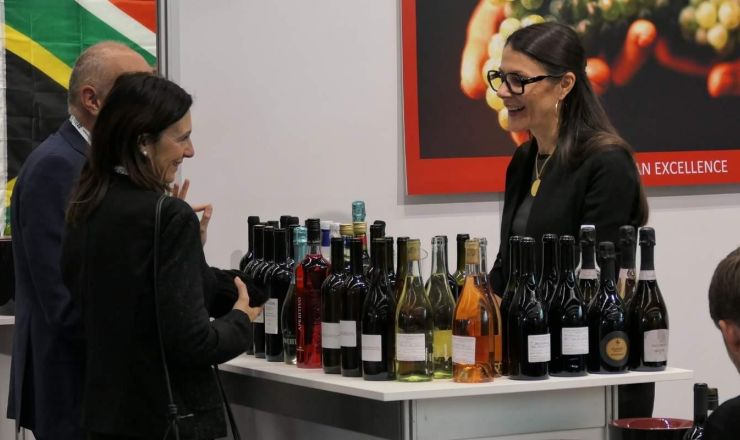
WBWE – a global business barometer
If you want to understand where the global wine industry is heading, don’t look only at retail shelves or export statistics. Look at what is happening in the bulk wine market.