
Cathedral Cellar comes to life with augmented reality labels
KWV has been making huge strides in the South African – and global – wine industry since it was founded in 1918. This year, this 101-year old wine brand is ensuring its innovative drive is catapulting it into the future with major achievements in the past two months.
· 3 min read
In March KWV was revealed as one of the World’s Most Admired Wine Brands in the annual survey by Drinks International. Competing with the greatest names in the industry, KWV was ranked 45 out of 50, making it the highest placed brand from South Africa.
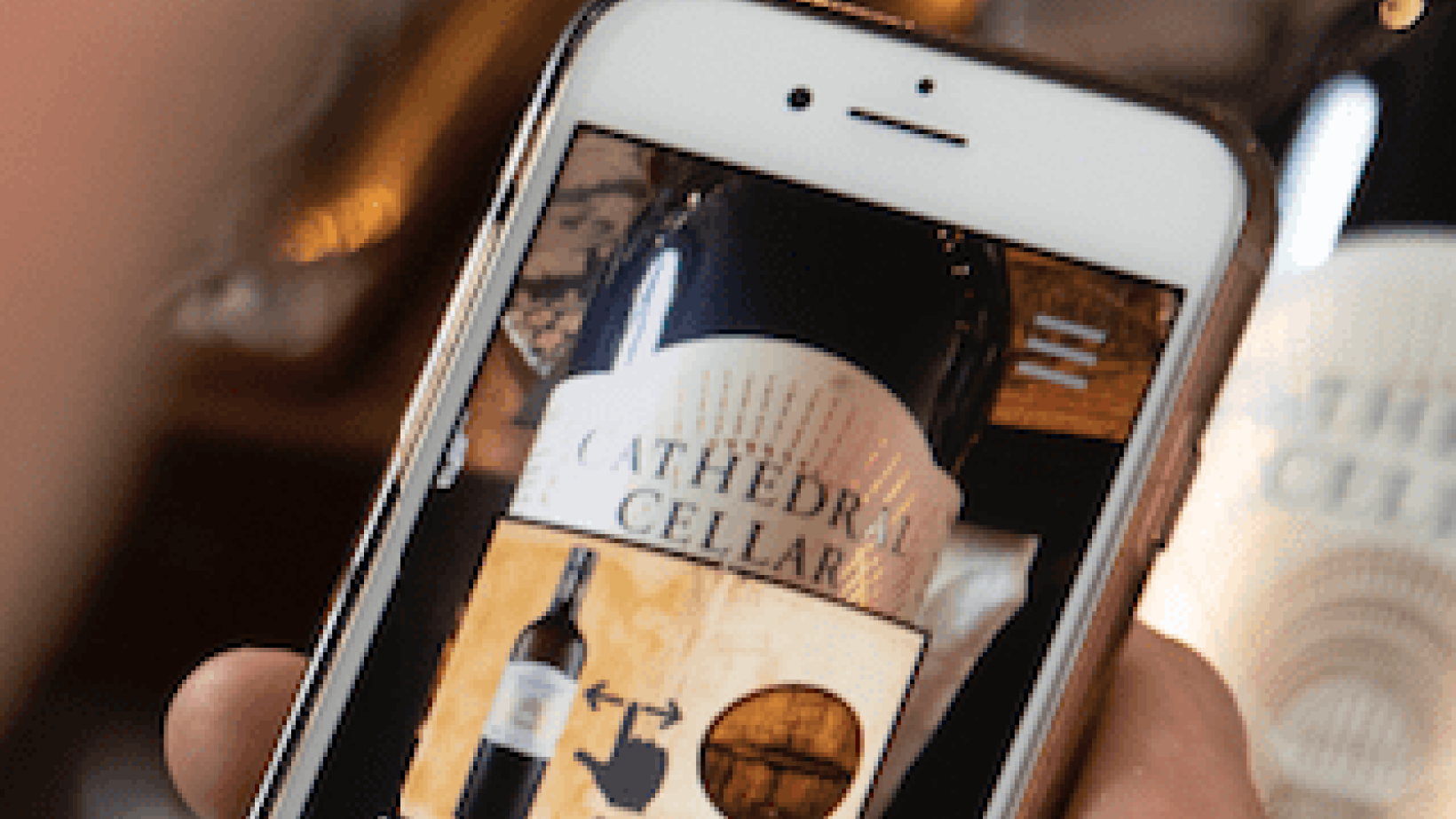
During the same time, at Prowein in Germany, the world’s biggest wine fair, KWV illustrated its ability to respond to trends cleverly and authentically, with a novel label launch from its Cathedral Cellar brand. As part of its global relaunch, Cathedral Cellar wines now allow wine enthusiasts to invite its winemaker, Wim Truter, to their dinner time conversation, via augmented reality technology!
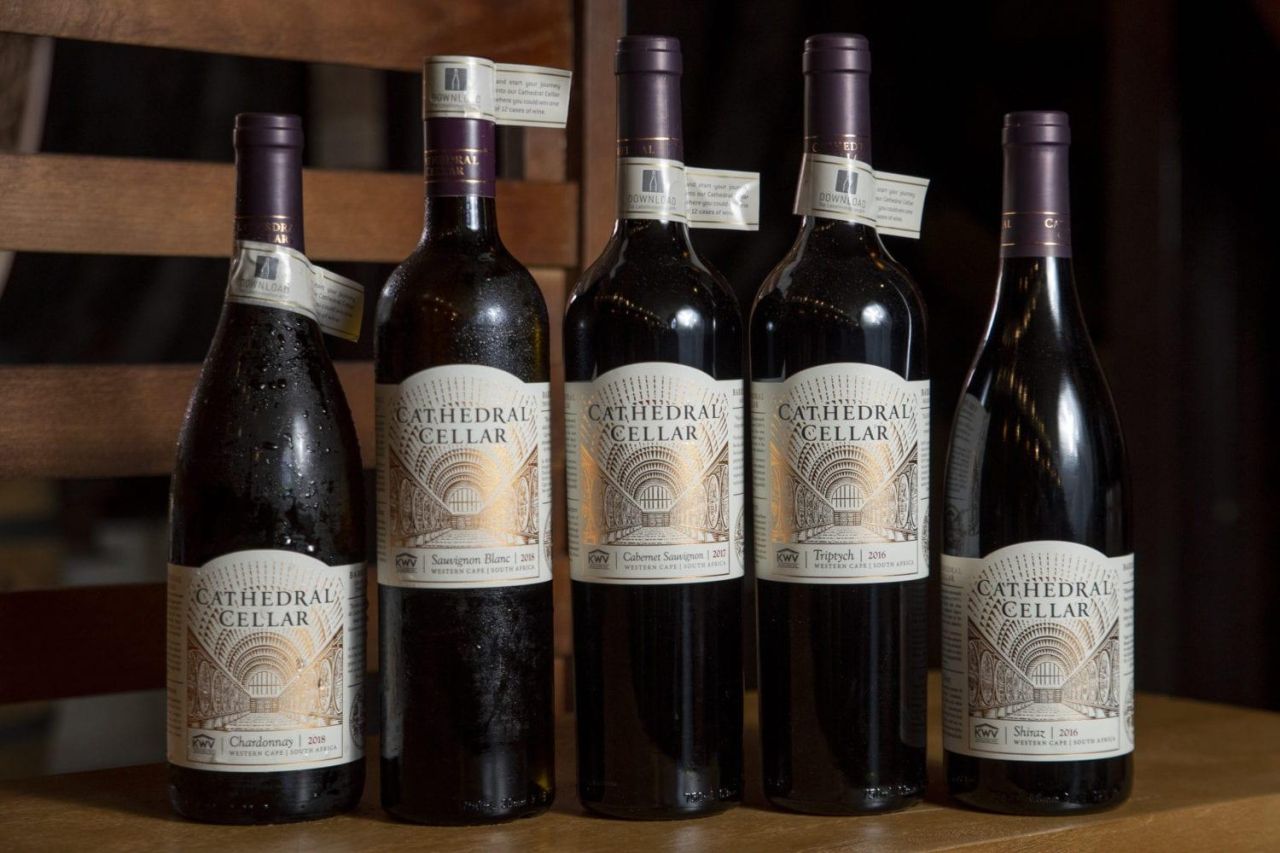
Cathedral Cellar is a premium wine portfolio by KWV and includes the Cathedral Cellar Cabernet Sauvignon, Cathedral Cellar Shiraz, Cathedral Cellar Triptych (a red blend), Cathedral Cellar Chardonnay and Cathedral Cellar Sauvignon Blanc. The new labels depict the Cathedral Cellar with beautiful copper line drawings. The labels also honour the cellar’s most impressive feature: its 32 ‘stukvats’ (barrels) which measure approximately 3 meters in circumference, some of which tell the stories of the South African wine industry with intricate carvings.
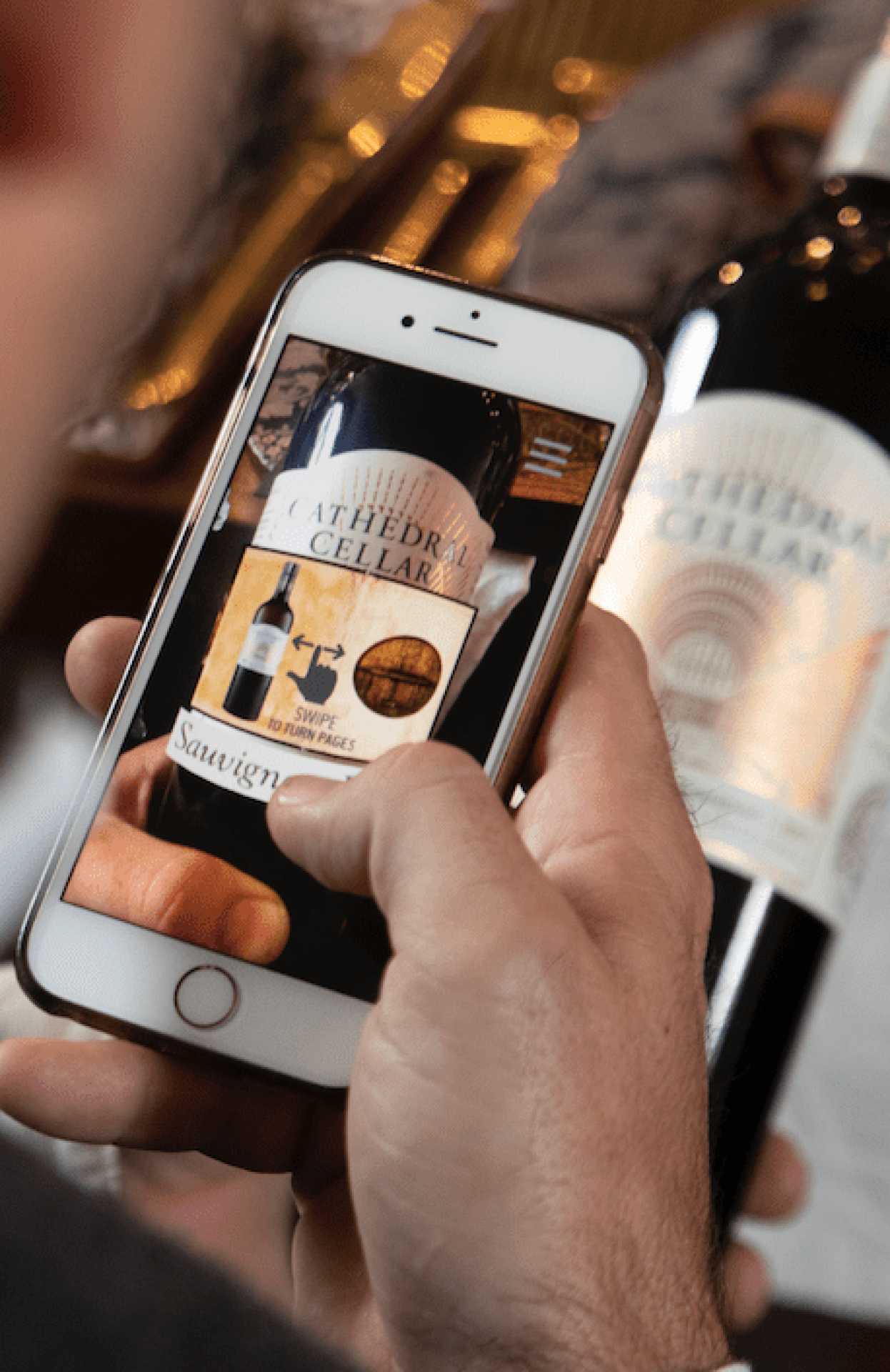
Cathedral Cellar epitomises the art of storytelling with this range of storytelling vats, and with the use of augmented reality and modern marketing the brand can now share its most important element with consumers in an immersive manner. The technology, developed by label print and augmented reality experts, LABELinmotion by Vollherbst, enables consumers to scan Cathedral Cellar’s new labels using a dedicated app. By hovering their phones over the Cathedral Cellar labels, consumers can watch the winemaker appear on the façade of the bottle, from where he provides guided wine notes on each of the wines and shares the stories that inspired them.
Brand Manager for Cathedral Cellar, Tanya Blokdyk, says that the use of augmented reality on wine labels is a relatively new development: “we are incredibly excited to bring wine consumers an interesting way to engage with Cathedral Cellar, a brand which really reflects so many beautiful elements. The cellar is a visual marvel and the winemaker is someone you would want at your dinner table. These things are difficult to capture with just a back label, but with virtual reality, people get to step into the cellar and subsequently meet Wim. It is a remarkable way to enhance the wine drinker’s journey.”
Matthias Vollherbst, CEO of Vollherbst Labels in Germany who developed the augmented reality application for Cathedral Cellar, said: “It was an absolute privilege to work with such an admired brand from South Africa, and to contribute to the innovation that is happening in the country’s wine industry.”
To learn more, visit https://kwvcathedralcellar.co.za

More from
Markets, business and trade

Does Government know what it’s costing you?
A decision made in Pretoria can change the way a wine business operates. But who makes sure the people making those decisions understand what happens on the ground? South Africa Wine’s Jordyn Goeieman takes us inside the often unseen work of influencing the policies that affect the industry.

All roads lead to Wine Paris
With professionals from more than 169 countries attending Wine Paris in 2026, the exhibition has become an increasingly important meeting point for the global wine trade. Nicolas Cuissard, Director of Wine Paris, speaks to WineLand about the exhibition’s growing international influence, opportunities for South African producers and what it takes to turn participation into business.
Before you bottle it, can you sell it?
A good wine and an attractive label are not enough to build a sustainable business. South Africa Wine’s Phil Bowes explains why finding customers, testing assumptions and understanding the numbers should come before committing to a new wine brand.