
Don’t arrive in Paris hoping to get lucky
Three days. Thousands of exhibitors. Buyers from around the world. More wines than anyone could sensibly taste. It is easy to arrive at Wine Paris feeling that opportunity must be everywhere. It is. But that does not mean it will find you.

· 6 min read
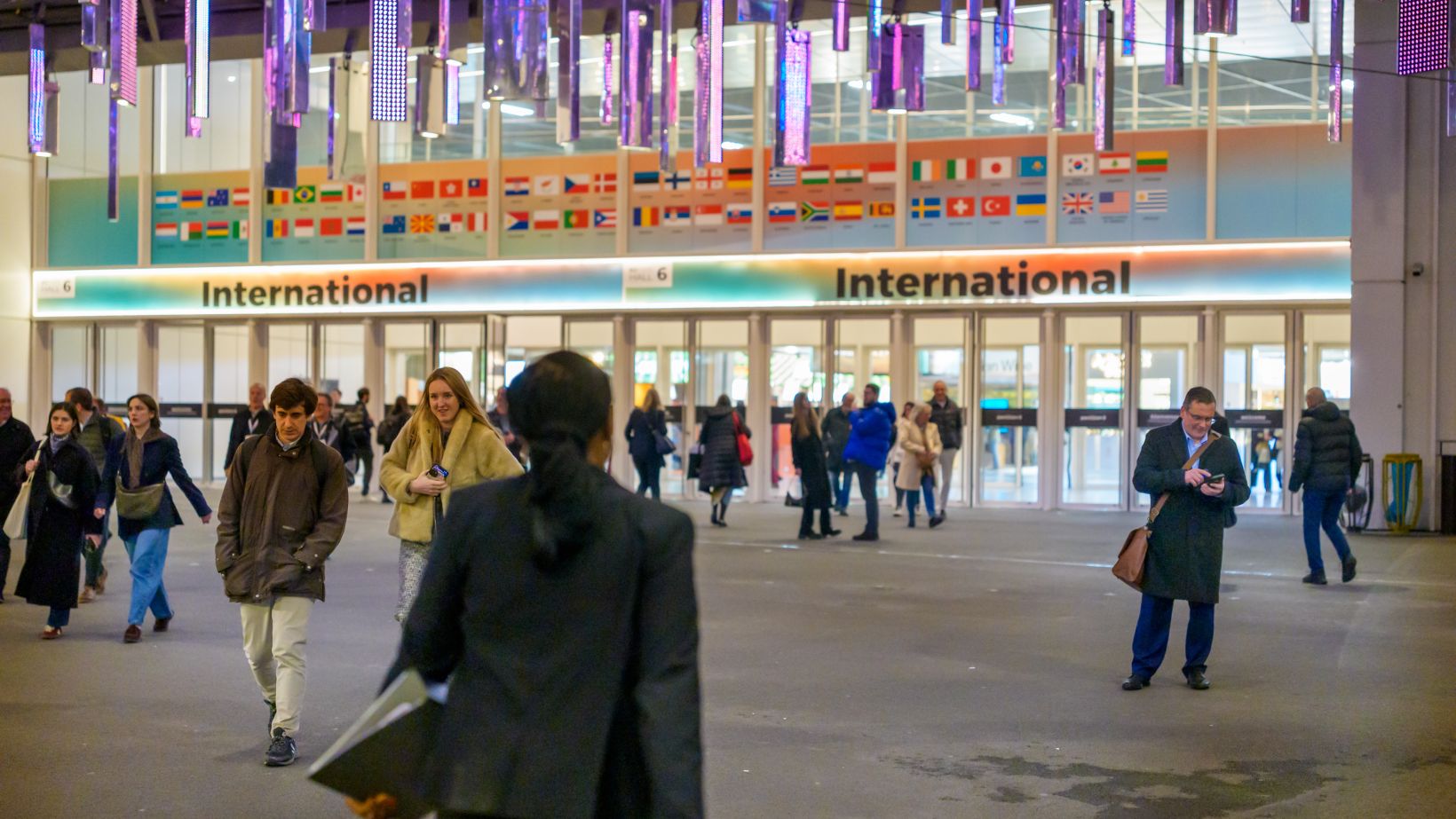
Wine Paris success begins before the show: update your exhibitor profile, research buyers and markets, and arrange targeted meetings rather than relying on chance. Prepare a focused wine selection, clear stand messaging and export information, while leaving time for events and introductions. At the show, listen as well as pitch, record commitments and follow up promptly to turn conversations into next steps.
Summary written by AI from this article. The full article is under “Deep dive”.
Wine Paris itself puts it simply: preparation is key. For producers heading to Paris from 15 to 17 February 2027, that preparation starts well before the suitcase comes out.
Before Paris: Do your homework
The first job is not glamorous. Get the online profile right. Buyers use the Wine Paris platform to research exhibitors before the show and can filter by region, product type, grape variety, vintage, farming method and other criteria. A producer can therefore appear on a buyer's radar before the buyer has ever heard the brand name.
Treat that profile as part of the stand. Keep it current. Make it specific. If someone spends 30 seconds on it, they should understand what the business offers and why it might be relevant.
Then comes the diary. This is probably where the real work starts.
Wine Paris encourages exhibitors to use its business-matching tools to identify relevant prospects and arrange meetings in advance. The important word here is relevant. Sending the same “come and taste our wines” message to a long list of buyers may create activity, but not necessarily useful activity.
A little homework goes a long way. Which markets matter? Where are the distribution gaps? Which buyers already work with comparable wines? Does the price point fit their portfolio? Is the aim to find a new importer, see an existing customer, open a market or simply understand it better? Those questions sound obvious, but in the rush before a trade show, they are easy to skip.
A targeted invitation also reduces the buyer’s work. Instead of asking them to find a reason to visit, explain why a particular wine, region or proposition could make sense for them.
This echoes what Wines of South Africa CEO Siobhan Thompson observed after Wine Paris 2026. Buyers arrive with busy schedules, and South Africa can sometimes feature later in those schedules than at other international shows. Her point was practical rather than dramatic: pre-show engagement and appointments matter.
The same thinking should carry through to the stand. A beautiful stand helps, but clarity helps more. Someone walking past should quickly understand who the producer is, where the wines come from and what makes them worth stopping for.
And resist the temptation to pour everything. Twenty wines may demonstrate the breadth of a portfolio, but by wine 14 it is worth asking what either person can still remember. A smaller selection that opens the right commercial conversation can often do more.
The less interesting practicalities matter too: badges, electricity, water, tasting equipment, price lists, technical sheets, certifications, stock availability and the right contact information. None of it makes for a glamorous Instagram post. All of it becomes very important when something is missing.
For South African exporters, there is another layer of preparation. Know your pricing beyond the cellar door. Buyers may want to discuss export prices, shipping arrangements, minimum order quantities, available volumes and the realities of getting wine into their market. A promising conversation can lose momentum quickly if the commercial answers are not ready.
Do not wait until Paris to tell people you are in Paris either. Wine Paris provides exhibitors with communication tools, banners and invitations. Use them. Tell existing customers and prospects where the stand will be and what will be poured. LinkedIn, newsletters and direct messages can start the conversation weeks before the first tasting.
In Paris: Make every conversation count
Once the show begins, there is another useful discipline: listen.
Know the pricing, volumes and export position, certainly, but do not spend the whole meeting delivering the brand story. Ask what is moving in the buyer's market. Which price points are difficult? What is missing from the portfolio? What are consumers asking for? Sometimes the most valuable thing to come out of a meeting is not an order but a piece of information that changes what the producer does next.
It also helps to remember that not every buyer is looking for the same thing. A specialist importer searching for premium, site-specific wines will have different priorities from a retailer looking for reliable volumes at a competitive price. The challenge is to understand the buyer before deciding which part of your portfolio to present.
And leave a little air in the diary. Wine Paris is more than a stand. There are tastings, masterclasses, conferences and thousands of people in the same place. Three completely full days behind a tasting table can feel productive, while quietly ensuring you see very little of what is happening around you.
Some of the most useful conversations may happen away from the stand. A discussion after a masterclass, an introduction through another producer or a chance meeting with someone working in a market you have been trying to understand can be just as valuable as a scheduled appointment.
The trick is to make time for those opportunities without losing sight of why you came.
After Paris: Turn conversations into business
Finally, write things down. After ten meetings, memory becomes optimistic. Record what was discussed, what was promised and who needs what. Then follow up while Paris is still fresh. Send the samples. Forward the pricing. Make the introduction.
Not every conversation will lead to an immediate listing, and that is worth remembering. Some buyers may need time, further information or another tasting. Others may not be the right fit at all. Knowing the difference is part of making the show worthwhile.
A simple follow-up plan helps. Prioritise the most promising contacts, agree on the next step and make sure someone takes responsibility for it. Then look back at the original objectives. Did you meet the buyers you wanted to meet? Did you learn something useful about your target markets? Are there conversations worth pursuing?
The measure of a successful Wine Paris is not really the number of bottles opened or cards collected. It is what happens next.
Paris can create opportunity. But it helps enormously if opportunity already knows what time to meet you.
How to prepare for Wine Paris: An exhibitor’s essential checklist
Before the show
- Identify your priority export markets and what you want to achieve.
- Update your Wine Paris exhibitor profile with accurate product and company information.
- Research relevant importers, distributors and buyers.
- Use the business-matching platform to request and schedule meetings.
- Send personal invitations to existing customers and prospective buyers.
- Select a focused range of wines suited to your target markets.
- Prepare export price lists, technical sheets, certifications and information on available volumes.
- Confirm stand logistics, tasting equipment, samples and promotional materials.
- Promote your participation through LinkedIn, newsletters and direct communication.
During the show
- Make your brand, origin and wine offering easy to understand.
- Arrive at meetings knowing something about the buyer and their portfolio.
- Ask questions about market demand, pricing and distribution.
- Keep notes on conversations, opportunities and commitments.
- Attend relevant masterclasses, tastings and networking events.
- Leave time for unexpected introductions and opportunities.
After the show
- Follow up promptly with buyers and contacts.
- Send requested samples, pricing and technical information.
- Prioritise promising leads and agree on next steps.
- Review buyer feedback and what it means for your export strategy.
- Measure the value of your participation against your original objectives.
Wine Paris 2027 takes place from 15 to 17 February at Paris Expo Porte de Versailles. Visit wineparis.com for more information.

More from
Markets, business and trade

Paris is calling. Again.
Wine Paris has become one of the important dates on the global wine calendar. For South Africa, being there matters. But being there with a plan matters more.
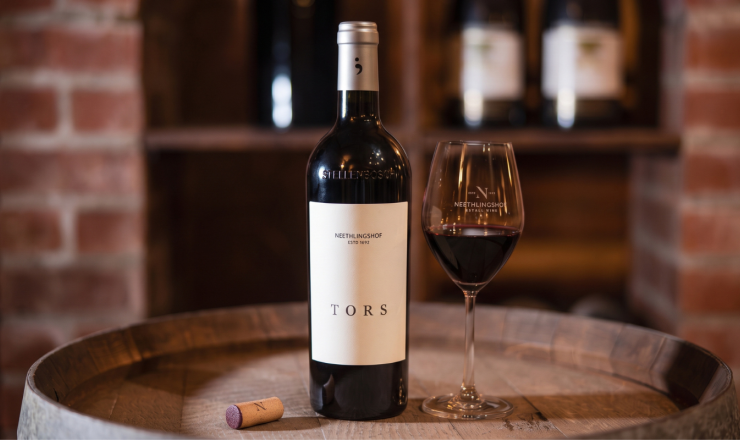
Neethlingshof debuts flagship red 'TORS' with Absa Cape Blend Top 6 Win
Neethlingshof Estate has introduced its flagship red, TORS, marking its debut with a win at the Absa Cape Blend Top 6 Awards for its maiden 2024 vintage. Crafted as the estate’s pinnacle expression, TORS was developed for fine wine collectors seeking a micro-vinified Stellenbosch blend shaped by site specificity and low-intervention winemaking.
The shelf has moved: how AI is changing the way consumers find wine
The way consumers find wine is changing. A decision that once happened in front of a shelf or with advice from a wine retailer can now start with a question typed into an AI platform.