
Explore SA's brandy homes with tools to help find scenic byways this summer
· 4 min read
As South Africans focus their travel planning on domestic adventures for the summer, an informative new travel brochure and online presence from the South African Brandy Foundation (SABF) is making it easier than ever for road-tripping locals to discover the authenticity and charm of South Africa’s award-winning brandy distilleries.
“Since the easing of lockdown we’ve seen such a surge in interest in local tourism, and we wanted to help travellers find their way to all of the fantastic brandy destinations South Africa has to offer,” explains Christelle Reade-Jahn, director of the SABF. “Working in partnership with Wesgro, these new tools will assist travellers to plan their trip, find accommodation nearby and include activities for the entire family.”
First stop for travellers looking to take a deep-dive into South Africa’s brandy heritage will be to get hold of the brand-new brochure. Months of work have resulted in a spectacular informative foldout brochure-map, which includes information on eighteen (18) Brandy Homes spread across three distinct brandy routes in the Western and Northern Cape. Along with a user-friendly road map highlighting the location of each distillery, local tourist attractions and places of interest are also indicated, and listed alongside more detailed information on each distillery. Suggestions for accommodation and activities nearby are also included.
The new brochure – available from airports, regional tourist offices, hotels, and participating distilleries – is complemented by a revamped online presence, easily accessible via a unique QR code printed on the brochure. The website has been carefully re-engineered to offer a faster, more user-friendly experience that will help brandy-lovers and curious travellers to learn more about the rich heritage of brandy production in South Africa, and the impressive accolades won by local distillers over the past two decades.
For those new to the world of brandy, the useful Aroma Wheel is your ‘learner’s licence’ for distillery tastings, helping those new to the category – and perhaps a few old hands – get to grips with the complex flavour notes to be enjoyed in premium potstill or Cape brandy.
“The Aroma Wheel really unpacks the kaleidoscope of brandy. It explains the aromas and flavour notes you’ll commonly find in brandy, but using approachable language and everyday reference points,” says Reade-Jahn. “We wanted to make the experience of appreciating fine brandy easily accessible for anybody. It’s not about ‘geek-speak’ and complicated concepts. That’s not what brandy is about. It’s about enjoyment.”
Potstill or Cape brandy is on a steady path to premiumisation, and is increasingly sought-after by mixologists in upscale cocktail bars. For those who’d rather shake things up in the comfort of their own home, a selection of inspiring brandy-based cocktail recipes is available via the website, with convenient PDFs available for download.
“It’s about making the website a more active, useful tool, filled with engaging content to inspire new adventures in brandy, and to encourage travellers to explore the three Brandy Routes,” says Reade-Jahn.
Together these informative new tools certainly provide all the information travellers need to plan their road-trips this summer, taking in the varied experiences on offer at the Cape’s memorable Brandy Homes.
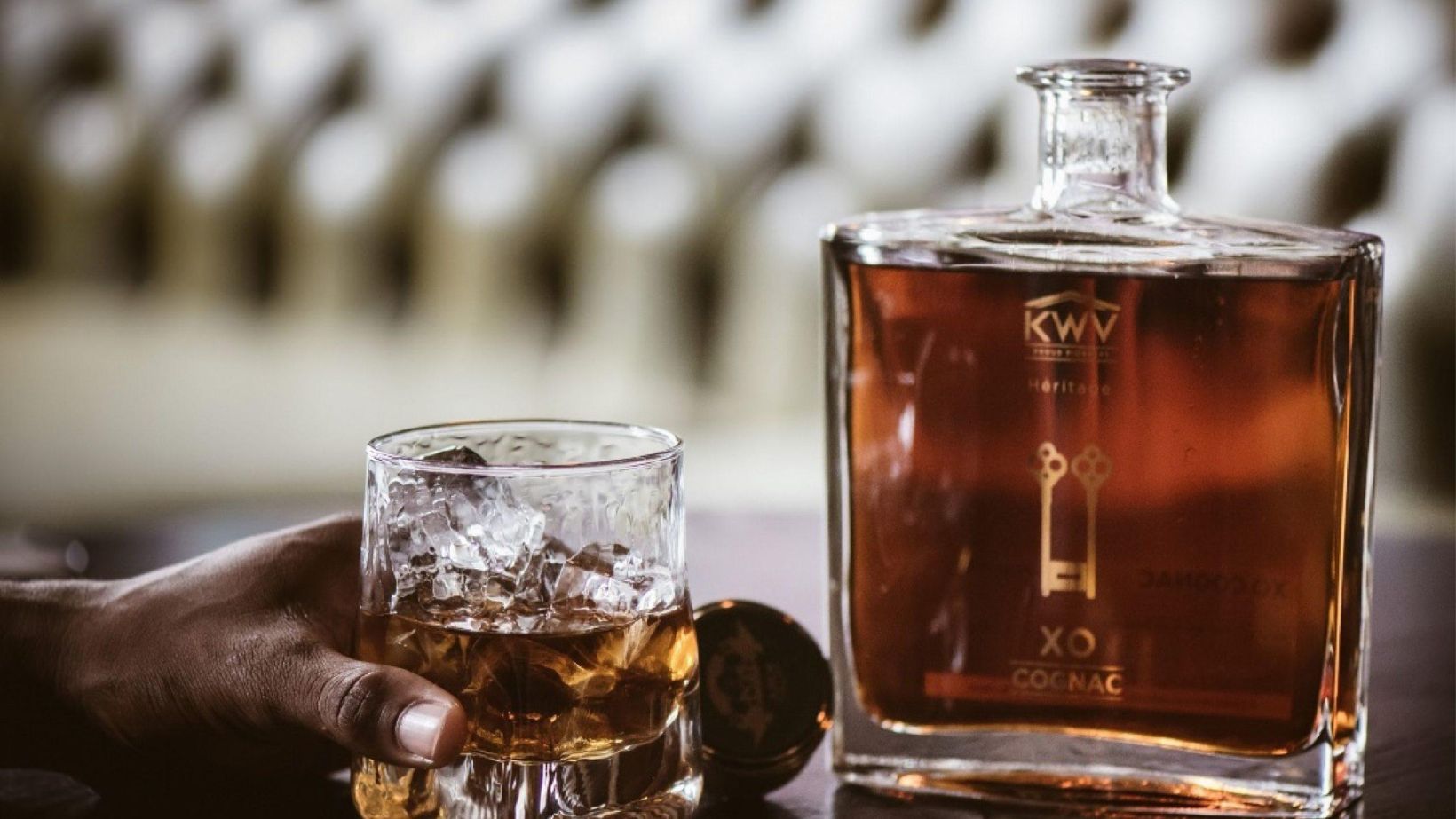
Those experiences are as diverse as they are engaging, ranging from intimate owner-run distilleries to world-class visitor attractions. At the KWV House of Fire in Paarl, look forward to a modern multi-sensory visitor experience.
At Grundheim in the Klein Karoo it’s about celebrating heritage. This quirky destination has been in the same family for the past six generations, and to this day distill their brandy over open fire, as it has been done for centuries past. Alongside their renowned potstill brandy, the old-fashioned cellar also produces muscadel, homemade liqueurs and fiery witblits. Upland Organic, in Wellington, is one of the few distilleries to express a true sense of terroir, growing organic grapes on-site for distillation into brandy.
At Van Ryn’s Distillery outside Stellenbosch the cellar tour includes time with the skilled coopers, handcrafting wood-fired barrels from oak staves, while at Oude Molen in the cool Elgin Valley travellers can marvel at Big Bertha and Long Tom, two of the largest copper potstills in the southern hemisphere. This is also the place to learn more about Bayede! XO Royal Cape Brandy, the world’s first brandy to carry a royal warrant from an African king.
“There are just so many wonderful stories to hear, a rich history to discover, and so much to see, taste and learn. We want the new brochure and website to inspire travellers to get out there to experience it all for themselves,” says Reade-Jahn. “This year the trend worldwide is definitely to support local, and support authentic destinations. South Africa’s wonderful Brandy Homes certainly tick all the right boxes, and it’s just the perfect time to explore our wonderful local heritage.”
For more information, visit www.sabrandy.co.za.

More from
Markets, business and trade

Does Government know what it’s costing you?
A decision made in Pretoria can change the way a wine business operates. But who makes sure the people making those decisions understand what happens on the ground? South Africa Wine’s Jordyn Goeieman takes us inside the often unseen work of influencing the policies that affect the industry.

All roads lead to Wine Paris
With professionals from more than 169 countries attending Wine Paris in 2026, the exhibition has become an increasingly important meeting point for the global wine trade. Nicolas Cuissard, Director of Wine Paris, speaks to WineLand about the exhibition’s growing international influence, opportunities for South African producers and what it takes to turn participation into business.
Before you bottle it, can you sell it?
A good wine and an attractive label are not enough to build a sustainable business. South Africa Wine’s Phil Bowes explains why finding customers, testing assumptions and understanding the numbers should come before committing to a new wine brand.