
Fine wine meets digital art
In a world where vineyards and virtual galleries vie for attention, ApeVine has found a rare balance – turning the timeless ritual of uncorking a bottle into a new kind of collectable moment.

· 5 min read
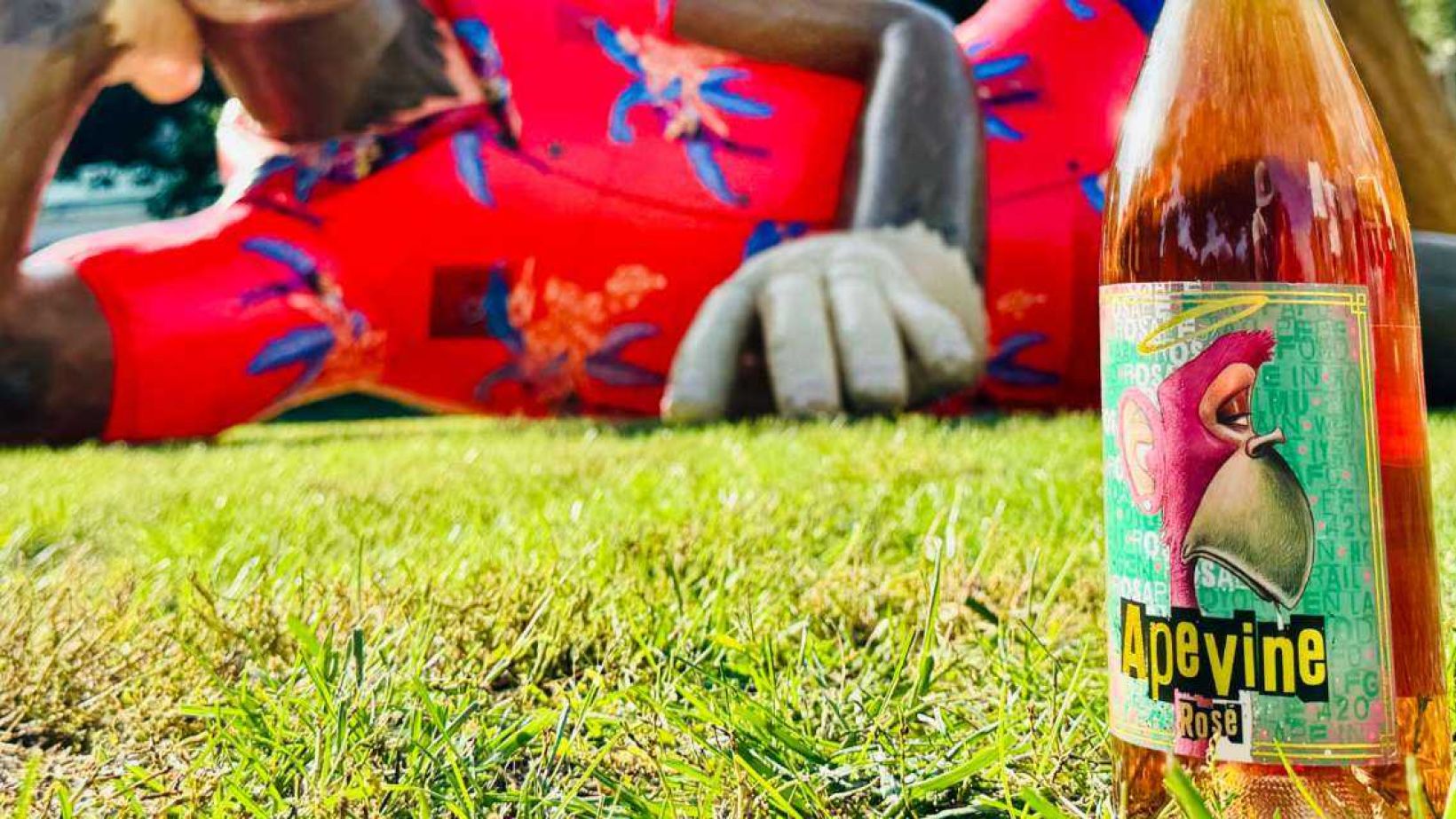
ApeVine began as an idea shared over late-night talks about art, technology and the stories hidden inside every bottle of wine. For cofounder Josh Separzadeh, the idea was simple, but powerful. “We saw a gap where premium wine, fine art and digital ownership could complement each other,” he says. “We wanted every bottle to feel like an event, something rare, beautifully designed and verifiable – both in the bottle and online.”
The name is a layered nod to everything the brand stands for. “Ape” comes from the Web3 culture of diving in with conviction, while “Vine” references wine and the grapevine itself. “Just like a real vine connects grapes, our goal is to grow a connected marketplace of Web3-native creators and collectable products rooted in quality, culture and community,” Josh says.
The business concept first took shape at the annual Sundance Film Festival in Utah, America. Surrounded by filmmakers, artists and collectors, Josh and his partners, Tori and Jake Hastings, found themselves in a conversation about digital art and value. Why were some digital collectables fetching higher prices than original paintings? What made them feel more relevant to a new generation?
These questions lingered long after the festival lights dimmed. The trio began to imagine how those same ideas of ownership, provenance and connection could be brought into the wine world. “Wine is one of the oldest collectable assets in human history,” Josh says. “We wanted to merge the principles that make digital art engaging with something timeless.”
The challenge was to connect the three very different worlds of traditional wine, contemporary art and blockchain technology in a way that felt natural. Wine collectors care deeply about provenance and taste, while Web3 natives speak the language of tokens and wallets. “Our biggest hurdle was bridging that generational and technological gap to help each audience see the value from their own perspective,” Josh says.
Today, that bridge stands strong. Josh leads the creative direction, Tori keeps each project moving with quiet precision and Jake curates the wines that anchor every collection. They’ve built something that feels both old and new, a brand where a bottle isn’t just opened, but experienced.
How it works ApeVine’s model starts with a straightforward concept: the value of a product shouldn’t just stop after the first sale. “Traditionally, if a winery sells 100 bottles, that’s it,” Josh says. “But with ApeVine, those bottles can keep generating royalties for the winery long after the release.”
Each drop begins as a limited-edition collaboration between a winery and an artist. The release is then paired with a digital collectable that acts as a voucher for the wine itself. Collectors can hold, trade or redeem it when the vintage is ready. Every transaction is recorded on-chain to ensure that both ApeVine and the winery benefit each time a bottle changes hands. It brings transparency, movement and a sense of living ownership for collectors.
For traditional wine lovers, ApeVine focuses on small-batch producers with real stories and authentic craft. For the crypto community, the draw card is traceability and access. “We’re meeting both audiences where they are,” Josh says. “Wine lovers appreciate the story. Digital collectors appreciate the proof.”
Every release is also accompanied by events that bring the experience to life. These include intimate tastings, release parties to auctions and gallery-style showcases. These gatherings connect collectors, winemakers and artists in ways that make the story tangible. “That’s when the magic happens,” Josh says. “When everyone walks away with something they didn’t expect.”
The response so far has been swift and genuine. Collectors are initially captivated by the beautiful bottle, and then truly impressed by the quality inside. “That’s the moment that matters,” he says. “When they taste it and realise it’s not just a concept. It’s great wine.”
The next chapter ApeVine wants to become the trusted marketplace for collectable wine. The goal is to create a space where someone researching a rare vintage can land on ApeVine and immediately think, “This is where the good stuff lives.” ApeVine offers not just the wine they came for, but discoveries they didn’t know they needed.
The plan is to be the digital backbone for small-batch, carefully made wines. Limited editions will be available on ApeVine and partner winery sites, along with tools that make collecting easy, while experiences and curated events will remain central to create memories.
Expansion is already in motion, with ApeVine’s technology working anywhere in the world and, while wine is at the heart of the platform, small-batch spirits may follow. “Growth isn’t for growth’s sake,” Josh says. “It’s about making each release meaningful.”
The future of collecting will feel seamless. Blockchain fades into the background while ownership, provenance and rarity shine. Wine can now be traded, tracked or saved without a cellar, and each bottle ages physically and in value. ApeVine wants to redefine what owning wine can mean.
Above all, ApeVine is about connection and impact. Each bottle carries a story and the potential for real-world good, from supporting artists to charitable causes. “If we do this right, our legacy won’t be bottles sold,” Josh says. “It will be the connections made, stories told and experiences shared.”
To explore more articles in our January issue, Future Now, purchase our digital or print magazine here.

More from
Markets, business and trade

How research is changing the wine we drink
Wine research starts long before the bottle reaches the shelf. It gives producers a better understanding of what happens in the vineyard and cellar, while providing evidence for decisions that can affect the wine consumers eventually drink.
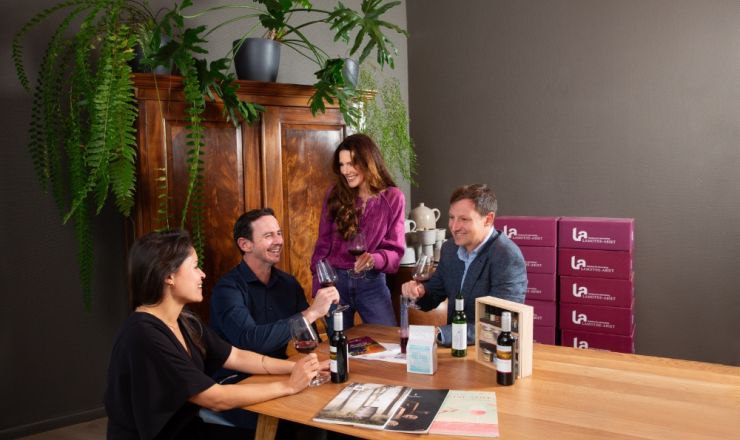
Precision Fermentation: Biotech to balance Flavours, Acid and Alcohol
As warmer vintages widen the gap between ripeness and freshness, a new generation of selected yeasts lets winemakers rebalance wine during fermentation, not after.
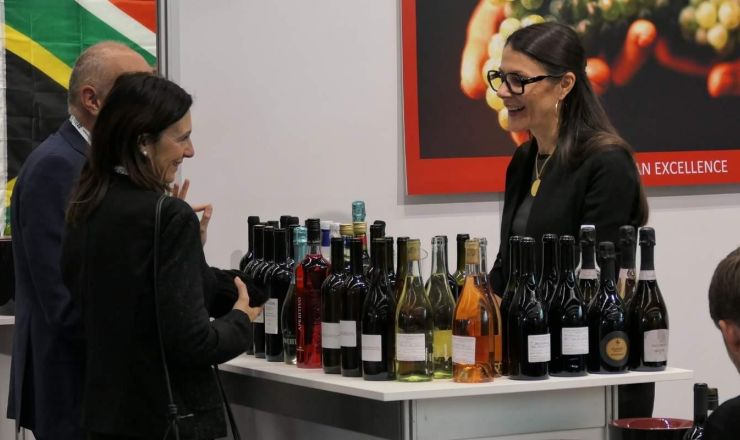
WBWE – a global business barometer
If you want to understand where the global wine industry is heading, don’t look only at retail shelves or export statistics. Look at what is happening in the bulk wine market.