
FIVS calls on U.S. to modernise wine labels as half of all wine crosses borders
· 3 min read
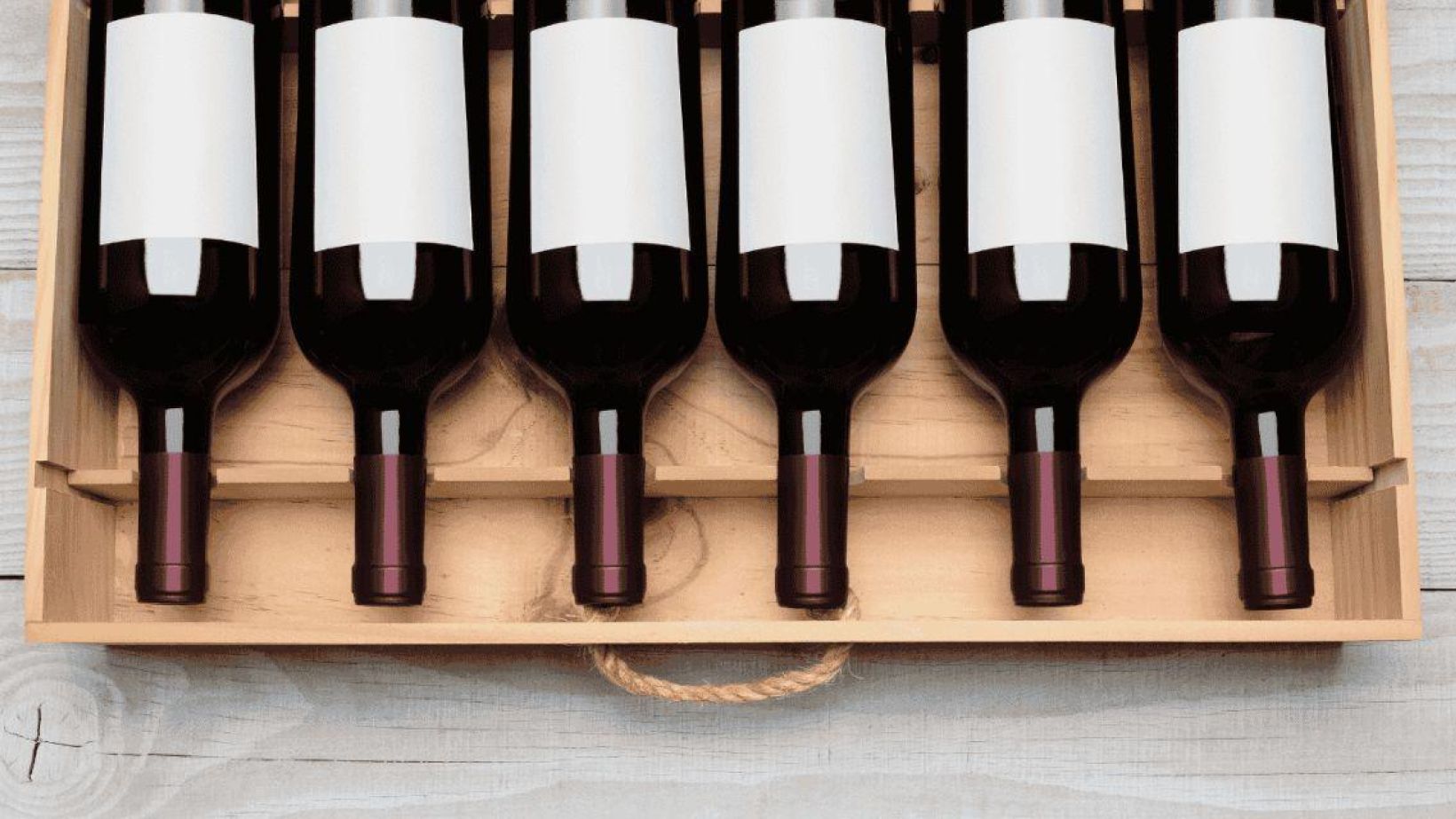
Global wine body urges adoption of digital labelling to give consumers clearer information, support sustainability and remove trade barriers.
FIVS, the global voice of the wine sector, is calling on U.S. regulators to embrace digital labelling as part of a broader effort to modernise wine labelling rules. In formal comments submitted to the U.S. Alcohol and Tobacco Tax and Trade Bureau consultation on proposed nutrition statements on alcohol, FIVS outlined its Good Regulatory Principles for Electronic Labelling (E-labelling) — a framework that harnesses digital tools to provide clearer, more accessible information for consumers while reducing costs and complexity for producers.
With half of all wine now sold internationally and consumer demand for transparency,
sustainability, and accessibility on the rise, FIVS sees e-labelling as a critical tool for the modern era. By using a single QR code to deliver both mandatory and voluntary information, e-labelling enables accurate, real-time updates that reflect the unique nature of wine — a product that is grown and whose characteristics can vary significantly from year to year — while also facilitating smoother international trade.
“Wine labelling rules must adapt to the expectations of today’s consumers and the realities of a modern, digital economy,” said Julie Hesketh-Laird, CEO of FIVS. “E-labelling offers a smarter, more flexible way to provide accurate, relevant information, while opening new opportunities for international trade and engagement. This approach creates shared value for consumers, producers, retailers, and regulators.”
FIVS’s Good Regulatory Principles advocate for:
- Allowing essential wine information (such as ingredients, nutrition, calories and recycling) along with certain voluntary details, like sustainability credentials, to be accessed digitally;
- Using a single QR code to serve multiple functions for consumers (voluntary product details, sustainability information, product recalls), retailers (pricing, stocking, inventory information), and governments (mandatory regulatory information, recycling, export documentation);
- Reducing unnecessary text clutter around QR codes;
- Respecting existing data privacy regulations; and
- Harmonising approaches internationally to minimise trade
“American producers are already leveraging digital tools like QR codes to meet growing demand for transparency and sustainability,” said Charles Jefferson, Vice President of Federal and International Public Policy at Wine Institute and Co-President of FIVS. “A single QR code that
delivers both mandatory and voluntary information – such as recycling or nutrition details – is both smart and scalable. The FIVS principles provide a global framework that respects innovation while maintaining trust.”
As smartphone use becomes universal, FIVS argues that e-labelling is no longer an emerging option, it is a practical, ready-to-implement solution. By adopting a harmonised, technology- driven approach, regulators can empower consumers, improve market access and ensure that wine remains one of the world’s most transparent and trusted agricultural products.

More from
Markets, business and trade

Does Government know what it’s costing you?
A decision made in Pretoria can change the way a wine business operates. But who makes sure the people making those decisions understand what happens on the ground? South Africa Wine’s Jordyn Goeieman takes us inside the often unseen work of influencing the policies that affect the industry.

All roads lead to Wine Paris
With professionals from more than 169 countries attending Wine Paris in 2026, the exhibition has become an increasingly important meeting point for the global wine trade. Nicolas Cuissard, Director of Wine Paris, speaks to WineLand about the exhibition’s growing international influence, opportunities for South African producers and what it takes to turn participation into business.
Before you bottle it, can you sell it?
A good wine and an attractive label are not enough to build a sustainable business. South Africa Wine’s Phil Bowes explains why finding customers, testing assumptions and understanding the numbers should come before committing to a new wine brand.