
Minister Ivan Meyer notes concern over Russian, Ukraine invasion
WC Agri Minister Ivan Meyer concerned about the Russian invasion of Ukraine on the Western Cape's agricultural trade.
· 4 min read
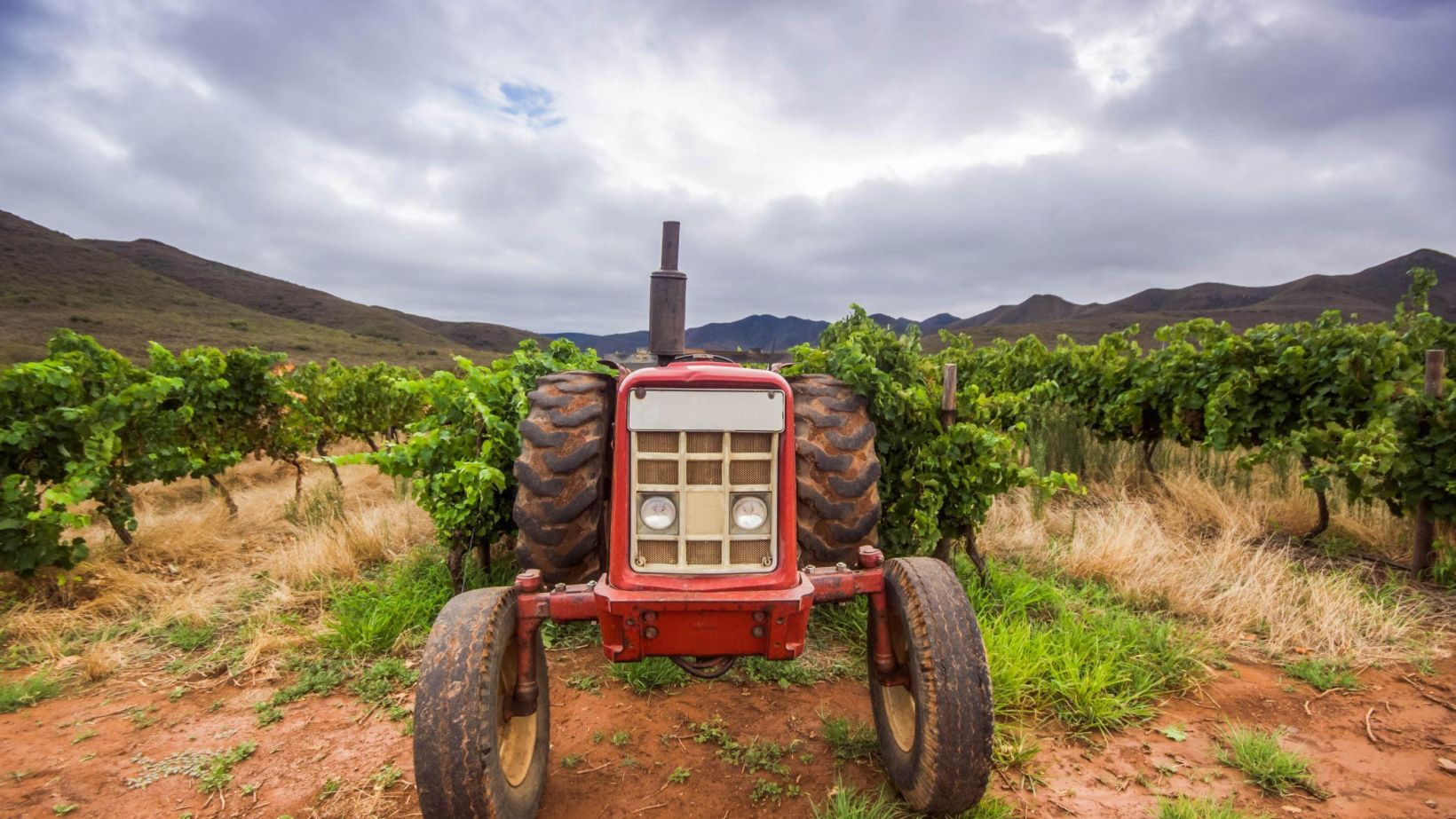
Minister Ivan Meyer has issued a statement on the impact of Russia’s invasion of the Ukraine on Western Cape Agricultural trade
On Monday, 7 March 2022, I met with Agri Western Cape,Vinpro, WOSA, the Fresh Producers Exporters Forum, GrainSA, the South African Table Grapes Industry, Citrus Growers Association, and the Wool Growers Association. I did so because I am concerned about the impact of the Russian invasion of Ukraine on the Western Cape’s agricultural trade.
The Russian and Ukraine markets contribute to South Africa’s foreign income derived from exports of agricultural products, with a significant share of these products coming from the Western Cape. South Africa’s agricultural exports to Russia and Ukraine combined were valued at R4.1 billion in 2020.
The horticultural products, oranges, pears, apples, mandarins, lemons, fresh grapes and wine containers holding 2 litres or less collectively contributed a share of R3.4 billion. About 88% of this value is attributable to the Western Cape, a dominant player in the horticultural sector.

South Africa’s wheat and meslin imports from Russia and Ukraine were valued at R2.3 billion in 2020, and the Western Cape absorbed about 28% of those imports in value terms.
Furthermore, statistics show that about 70% to 80% of all wheat flour produced is used for bread baking, attracting an estimated annual consumer expenditure of R6,7 billion in 2020.
In the Western Cape, 76% of all bread consumed is white bread. Therefore, a limited supply of wheat in the global markets will impact the domestic markets, and the increase in the price of bread will be one of the signs indicating a limited supply of wheat.
This will have a direct impact on food security and the poor.
- Disruption in shipping, production and security concerns already resulted in a 50% increase in the price of wheat.
- Russia alone is responsible for 14% of global fertiliser exports, while the inability to export and increase in the price of oil will largely impact fertiliser, fuel, and agrochemical prices.
- Prices of primary agricultural inputs in South Africa are already up by more than 100% compared to January 2021.
- Fertilisers (35% of production costs), fuel (12%) and agrochemicals (8%) are all more expensive than in 2021.
Challenges: Russia, Ukraine invasion
Industry role-players highlight that the most significant challenges currently facing the sector are logistics, financial losses, and the diversion of fruit to other markets. Major shipping lines are not accepting any bookings or commodities, not the only fruit.
Ports in Rotterdam, Antwerp, Bremerhaven are extremely congested due to the time-consuming scanning of containers for explosives.
The implications are that a 23-day journey of fruit from Cape Town to St Petersburg can be accompanied by various diversions and take up to 93 days to reach its final destination, resulting in the fruit being completely non-edible.
- It is also worth noting that diverting fruit to other markets is not easy as other markets have different specifications and requirements. At the same time, all the Southern Hemisphere countries (SA’s competitors) are diverting their fruit to the same markets. This is causing an oversupply and thus lower prices/income for SA exporters and producers.
- The Russian invasion of Ukraine has the potential of causing significant disruption to agricultural supply chains and will have considerable implications for products storage costs and the quality of produce.
The following immediate steps will therefore be taken:
- The Western Cape Department of Agriculture (WCDoA) will approach the Bureau for Food and Agricultural Policy (BFAP) to monitor the development of blockages in the Western Cape’s agricultural value chain with due consideration to both our trade’s export and import. This will assist the sector in developing an appropriate response to the negative impact the conflict is having on the Western Cape’s agricultural trade.
- During the Covid 19 pandemic’s height, the WCDoA closely monitored the province’s agricultural value chains. This approach will now be applied to this conflict.
- Given that market access is an apex priority for the Western Cape, the agricultural sector will explore the market opportunities offered through the African Free Trade Agreement as a viable option to offset the potential negative impact of the Russian attack on Ukraine.
- We are already engaging with DALRRD to ensure that a sector response plan is developed to support our producers in the short to medium term whilst constantly monitoring the conflict.
The above steps will not detract from the Western Cape Government’s commitment to ensure that measures to improve productivity and greater efficiency at the Port of Cape Town continue to receive attention.

More from
Markets, business and trade

Paris is calling. Again.
Wine Paris has become one of the important dates on the global wine calendar. For South Africa, being there matters. But being there with a plan matters more.
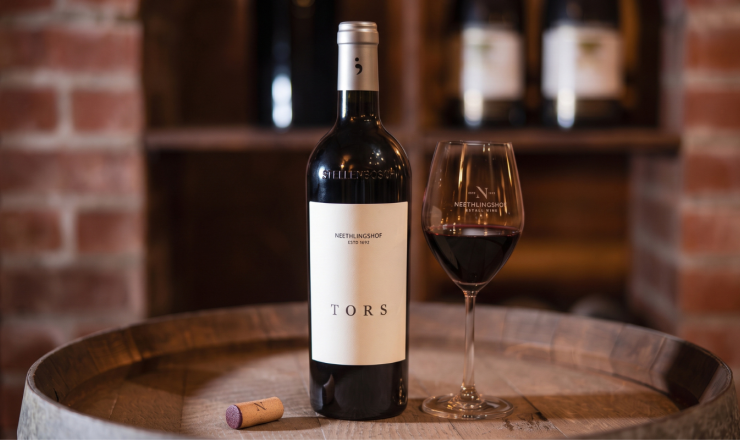
Neethlingshof debuts flagship red 'TORS' with Absa Cape Blend Top 6 Win
Neethlingshof Estate has introduced its flagship red, TORS, marking its debut with a win at the Absa Cape Blend Top 6 Awards for its maiden 2024 vintage. Crafted as the estate’s pinnacle expression, TORS was developed for fine wine collectors seeking a micro-vinified Stellenbosch blend shaped by site specificity and low-intervention winemaking.

The shelf has moved: how AI is changing the way consumers find wine
The way consumers find wine is changing. A decision that once happened in front of a shelf or with advice from a wine retailer can now start with a question typed into an AI platform.