
New wine launch at #Lintonlaunch2017
Winde revealed that in the last quarter 70 000 new jobs were created in the Western Cape, of which 54 000 were in rural areas.
· 2 min read
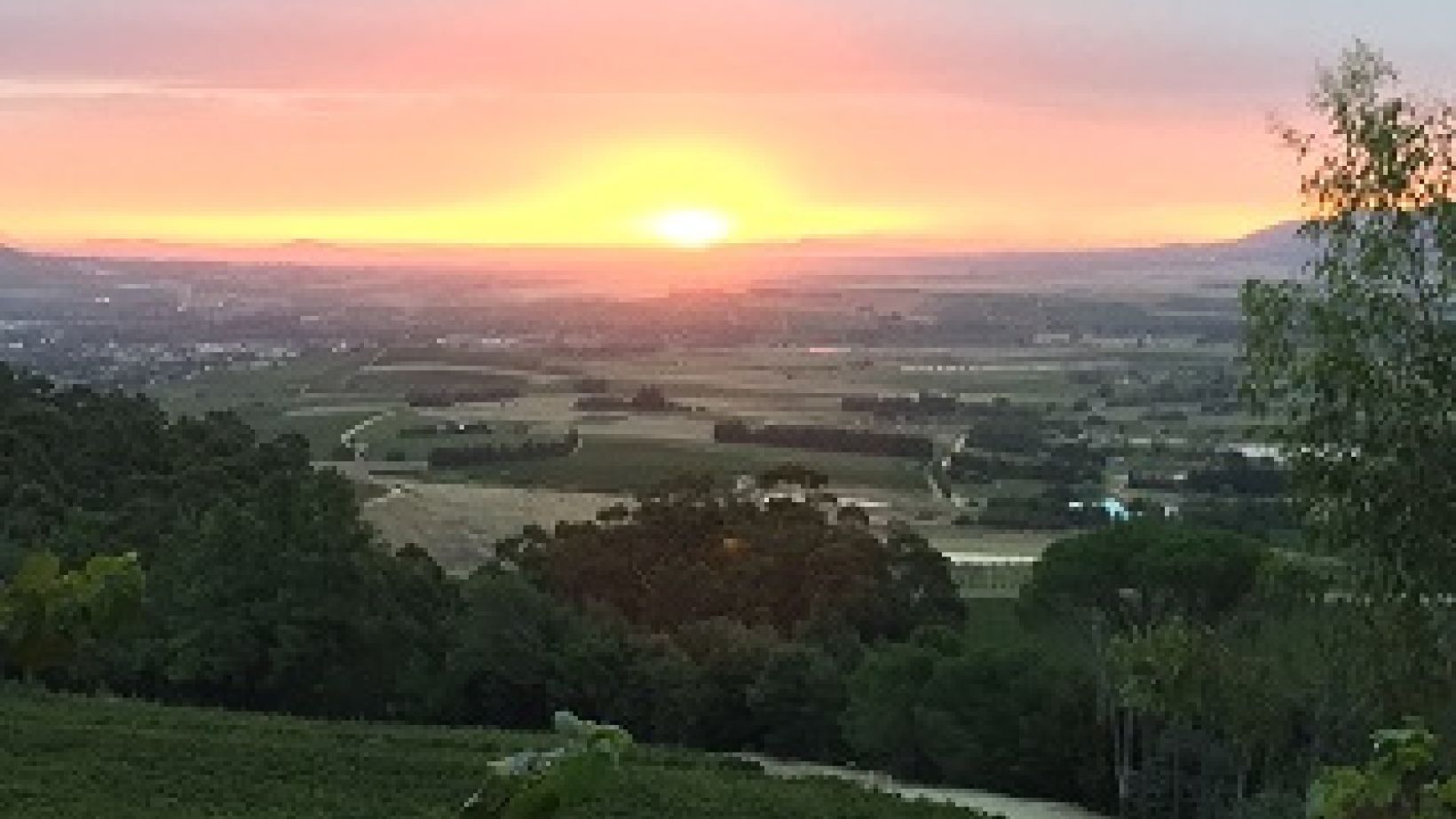
When one gazes over Linton Park Estate, situated at the foot of the Groenberg Mountains in Wellington, you cannot help but wonder where all of it started. The rich winemaking and agricultural heritage established by Louis Fourie (a French Huguenot) in 1699 continues to this day and made for a classy event with delicious wines.
Multinational and global business group, Camellia Plc, purchased Linton Park in 1995 and is set on expanding the current vineyard plantings to 100 hectares in the next five years. All of this will be done while giving back to not only the environment (by eradicating alien trees and populating the mountain with beehives), but also to employees and the communities they live in. Various social upliftment programmes will serve the relevant communities.
When it comes to winemaking, JG Auret, winemaker at Linton Park, believes in attention to detail and hand-crafted wines. By working closely with farm manager Rudolph Jansen van Vuuren, JG gets the grape quality he needs to make their range of elegant wines. All of this was said as he casually sabraged a bottle of the brand new Linton Park MCC. #EmeraldTerroir
Some of the dignitaries present were Malcolm Perkins (chairman of the United Kingdom based Camellia Plc Group), Conrad Poole (mayor of the Drakenstein Municipality) and Alan Winde (Western Cape minister of economic opportunities).
Winde revealed that in the last quarter 70 000 new jobs were created in the Western Cape, of which 54 000 were in rural areas. He also said that the unemployment rate in the Western Cape is less than 14%, which is half of the national average and the lowest ever for this region! Also mentioned was the 2016 figure of R9 billion worth of exported wines.
So, cheers to Linton Park for supporting our wine industry. The future seems bright. And bubbly!

More from
Markets, business and trade
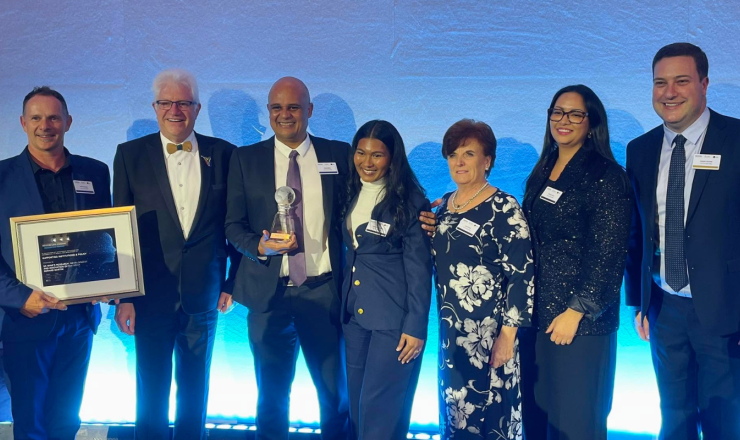
How research is changing the wine we drink
Wine research starts long before the bottle reaches the shelf. It gives producers a better understanding of what happens in the vineyard and cellar, while providing evidence for decisions that can affect the wine consumers eventually drink.
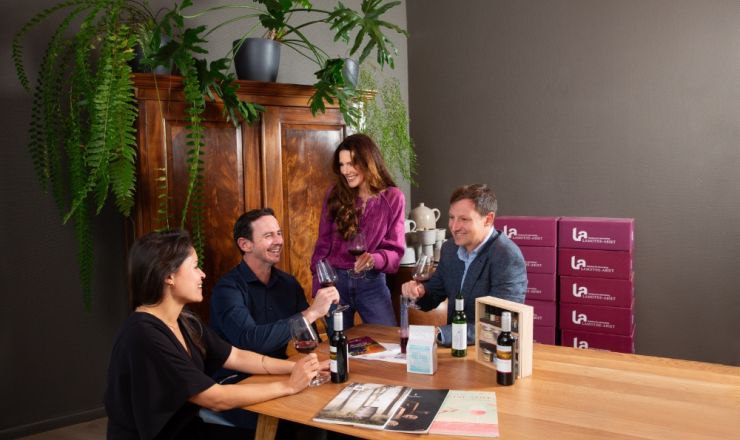
Precision Fermentation: Biotech to balance Flavours, Acid and Alcohol
As warmer vintages widen the gap between ripeness and freshness, a new generation of selected yeasts lets winemakers rebalance wine during fermentation, not after.
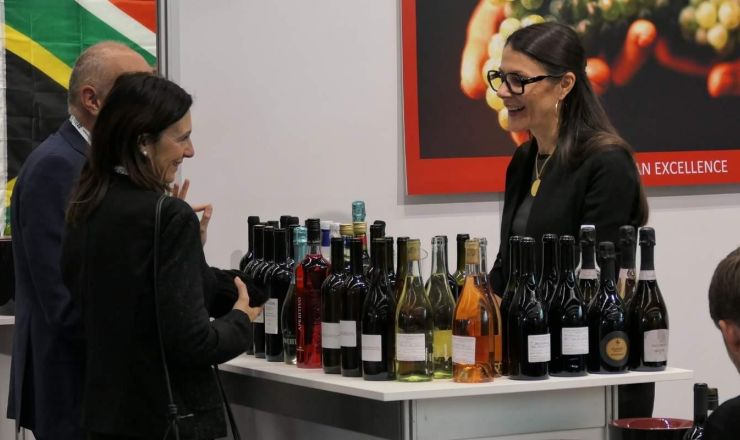
WBWE – a global business barometer
If you want to understand where the global wine industry is heading, don’t look only at retail shelves or export statistics. Look at what is happening in the bulk wine market.