
No silver bullet against climate change
· 3 min read

It seems everyone is looking for a quick fix to combat the effects of climate change but Vinpro Geographic Information Systems (GIS) soil scientist Heinrich Schloms says there’s no such thing. Producers who are looking for a quick fix are the first ones who are going to fall behind, he says.

“Climate change is well on its way but only those producers who really know how to farm will be able to withstand its effects.” He says certain regions such as the Swartland will be affected more than others. He also predicts the West Coast will get dryer and the Cape South Coast wetter. “It’s all about the extremes,” he says.
SA Wine Industry Information and Systems (SAWIS) defines climate change as any change in global temperature and precipitation over time due to natural variability or human actions. Kanonkop viticulturist Ryno Maree believes climate change can have negative and positive effects on a vineyard.
Dry winters have had an impact on their yields, especially during the past two harvests which produced low yields, he says. But the quality of wine can be very good. Struggling vines can give smaller berries with better colour, tannins and flavour. “Vines are tough plants and can survive extreme conditions,” he says.
Diversify to minimise risk
To be a sustainable producer, everything must be done right from the beginning, Heinrich says. “Producers should be financially prepared for climate change because extreme events are occurring more frequently.” Small-scale producers and farms that can’t handle the financial impact of a vineyard dying are most likely the first to fall along the wayside. Producers can however absorb the impact of climate change by diversifying crops and locations. “Bigger producers are buying vineyards in locations that will be less affected by climate change.”
Farming is a high-risk profession and you have to manage that risk, Heinrich says. “Producers become so tied up in the money that they potentially lose it. If you irrigate more, you can potentially make more money. But if you have a dry season and you irrigate too much, you could lose everything.
if you run out of water
Producers have been farming clean for too long by spraying all the weeds and the bare soil, Heinrich says. “You need beneficial cover crops that compete with weeds,” he says. “Having a good cover crop that outgrows weeds will manage them.”
The implementation of cover cropping has become widespread in recent years, Gen-Z Vineyard Project viticulturist Emma Carkeek says. This is one of the practices they hope to promote.
The project, launched in 2016 by Vinpro, aims to connect growers to new technologies …
A full version of this article appears in the April 2020 issue of WineLand Magazine. Buy your copy here

More from
Markets, business and trade

Paris is calling. Again.
Wine Paris has become one of the important dates on the global wine calendar. For South Africa, being there matters. But being there with a plan matters more.
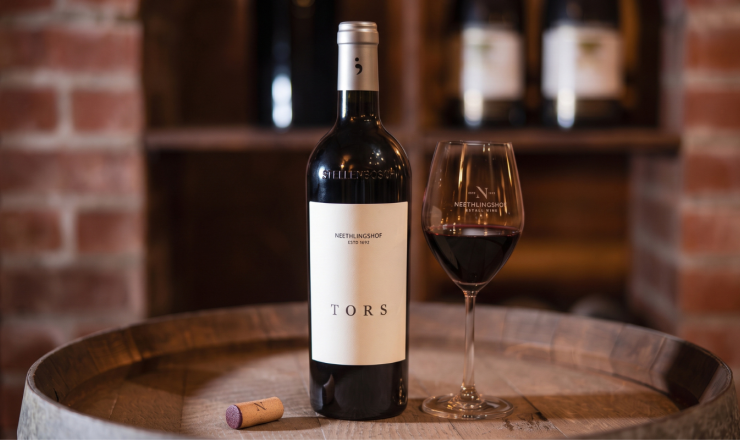
Neethlingshof debuts flagship red 'TORS' with Absa Cape Blend Top 6 Win
Neethlingshof Estate has introduced its flagship red, TORS, marking its debut with a win at the Absa Cape Blend Top 6 Awards for its maiden 2024 vintage. Crafted as the estate’s pinnacle expression, TORS was developed for fine wine collectors seeking a micro-vinified Stellenbosch blend shaped by site specificity and low-intervention winemaking.

The shelf has moved: how AI is changing the way consumers find wine
The way consumers find wine is changing. A decision that once happened in front of a shelf or with advice from a wine retailer can now start with a question typed into an AI platform.