
SALBA welcomes the arrest of those involved in illicit alcohol production, sales and distribution
Salba has noted the announcement that 11 suspects have been arrested for dealing in illicit liquor production in Katlehong – with an estimated street value of R5 million.
· 4 min read
The South African Liquor Brandowners Association (SALBA) has noted the announcement that the South African Police Service (SAPS) in Gauteng has arrested 11 suspects for dealing in illicit liquor production in Katlehong – with an estimated street value of R5 million.
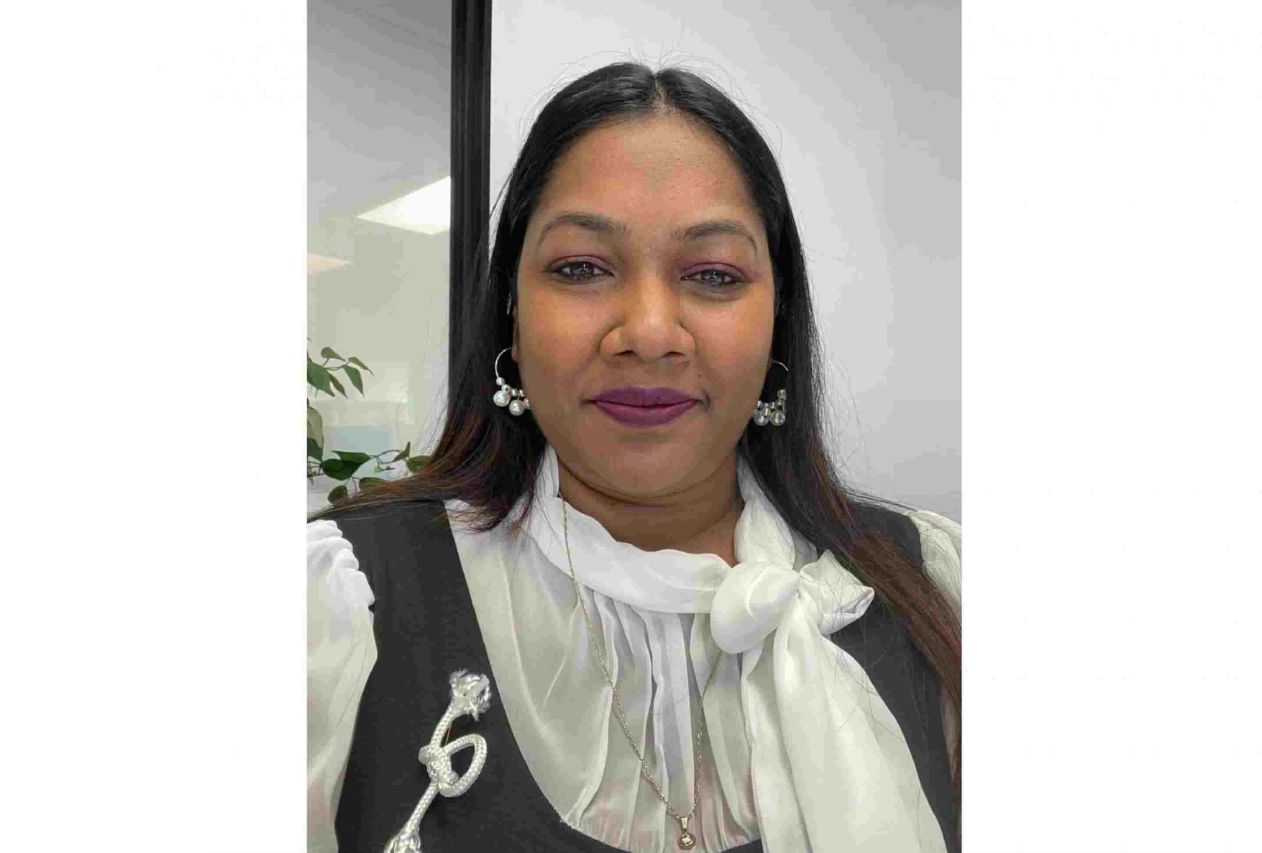
Salba chairperson Pamela Nkuna says they have been alarmed at the unacceptable expansion of the illicit trade in South Africa ̶ where roughly one in five bottles sold in the country are potentially illicit products.
“We welcome this development and we applaud SAPS on the work it has been doing to clamp down on the criminal syndicates behind the production, sales and distribution of illicit spirits.”
“There are dire safety risks associated with the consumption of illegal concoctions and we are deeply concerned about the devastating social impact the rampant illicit trade has on citizens’ health and well-being. Unregulated alcohol is not subject to stringent quality control measures and many of these illegal alcoholic concoctions contain dubious ingredients which are unfit for human consumption and may be lethal if ingested. We continue to urge both liquor outlets and consumers to purchase their preferred products from trusted sources.”
As criminal syndicates have increasingly become more firmly entrenched and sophisticated, the country’s economic recovery is stalling – it is estimated that in 2020, the South African Revenue Service lost R11.3 billion due to the illicit alcohol trade.
A report by Euromonitor International, commissioned last year by the South African Liquor Brandowners Association (SALBA), Beer Association of South Africa (Basa) and Vinpro found that the illicit market in South Africa grew by 10% (CAGR) in volume terms from 2017 to 2020. The total share of illicit alcohol in 2020 was estimated to be worth R20.5 billion and comprises 22% of total alcohol volumes.
The alcohol industry is remains committed to working with the government including SAPS and SARS – as it has been for years – to find solutions to the problem of illicit trade that not only poses a public health risk to our communities, but also a mutual revenue risk for the government and the industry. We can best accomplish this by operating within a well-regulated space with adequate support from law enforcement.
The industry urges consumers and traders to call the Consumer Goods Council hotline on 0800 014 856 to report any suspicion of illicit activity.
WATCH: SALBA, illicit trade
ALSO READ: SALBA appoints Pamela Nkuna as chairperson
The South African Liquor Brandowners Association (SALBA), whose members includes major alcohol manufacturers Distell, Heineken, Diageo, Pernod Ricard and DGB, has appointed Pamela Nkuna as its Chairperson, replacing Sibani Mngadi.
Pamela is also head of corporate affairs at Pernod Ricard and has over ten years of experience in the alcohol industry, focusing on regulatory matters and stakeholder engagement at national government and provincial levels and with local, civil society and NGOs.
During her career in the alcohol industry, much of her focus has been on matters related to harm reduction programmes, including binge drinking, drinking & driving/walking, and underage drinking
Pamela also sits on the board of Aware.org, a non-profit organisation that works in partnership with the alcohol industry to develop a culture of responsible alcohol usage in South Africa through programmes aimed at curbing the problems and ills caused by alcohol misuse and abuse.
SALBA CEO Kurt Moore said, “We wish to thank Sibani Mngadi for his decisive and steady leadership during a very challenging period for the alcohol industry, which saw multiple bans imposed on the sale of alcohol as part of the government’s strategy to curb the spread of the COVID-19 virus. During his term, Sibani played a key and visible role in the media as a spokesperson for SALBA, clearly articulating the industry’s position in respect of the alcohol bans and highlighting the devastating impact that these have had on the alcohol value chain and in fostering the growth of illicit trade in the country.”

More from
Markets, business and trade
How research is changing the wine we drink
Wine research starts long before the bottle reaches the shelf. It gives producers a better understanding of what happens in the vineyard and cellar, while providing evidence for decisions that can affect the wine consumers eventually drink.
Precision Fermentation: Biotech to balance Flavours, Acid and Alcohol
As warmer vintages widen the gap between ripeness and freshness, a new generation of selected yeasts lets winemakers rebalance wine during fermentation, not after.
WBWE – a global business barometer
If you want to understand where the global wine industry is heading, don’t look only at retail shelves or export statistics. Look at what is happening in the bulk wine market.