
South Africa Wine: one industry, one voice.
Every wine producer faces challenges that can’t be solved alone. Access to export markets, changing regulations, transformation, research and the industry’s reputation all require a collective effort. That is where South Africa Wine comes in.

· 3 min read

Representing nearly 3,000 wine grape producers, cellars, wine-related businesses and wholesalers, South Africa Wine serves as the industry’s national body. Its role is to represent members on the issues that affect the sector, coordinate industry priorities and ensure South African wine has a strong, credible voice when decisions are made that shape its future.
“The wine industry is incredibly diverse. Every business has its own priorities, but there are many issues that affect us all. Our role is to bring those voices together, find common ground and represent the industry’s interests where it matters most,” says Rico Basson, CEO of South Africa Wine.
South Africa Wine was established to provide a single point of coordination for the industry. It also administers approximately R130 million in statutory levies each year, governed by the National Agricultural Marketing Council (NAMC). Those funds are invested in work that benefits the wider industry, including advocacy, research, skills development, inclusion, communications, tourism and export growth.
For members, this means no single business has to tackle industry-wide challenges on its own. Whether the issue is legislation, access to international markets, workforce development or the industry’s reputation, South Africa Wine coordinates a collective response while drawing on the expertise of its partner organisations. It allows producers, cellars and wine businesses of every size to benefit from work that would be difficult, and often impossible, to achieve individually.
South Africa Wine works alongside specialist organisations, each contributing knowledge in a different area of the industry. SAWIS provides industry intelligence and certification services. WoSA promotes South African wine in export markets. Vinpro offers technical and business support to producers, while WIETA promotes ethical labour practices, SAWIPB develops professional standards and career pathways, and the South African Brandy Foundation champions South African brandy.
Each organisation has a distinct role, allowing it to focus on its own area of expertise. South Africa Wine coordinates that work so it contributes to broader industry priorities, while members know where to turn for specialist support when they need it.
“The value of this model is that every organisation can focus on what it does best. By working together, we make better use of industry resources and ensure members have access to the right expertise when they need it,” says Rico.
The wine industry continues to evolve as markets shift, regulations change and new opportunities emerge. South Africa Wine’s work has evolved alongside those changes. Investment in transformation, skills development and black business incubation forms part of the organisation’s long-term commitment to building a stronger and more inclusive industry.
Much of this work happens long before the results become visible, but its impact reaches every part of the value chain. Research helps producers make informed decisions. Engagement with government gives the industry a voice on matters that affect its future. Investment in people helps develop the skills needed to keep South African wine competitive, while export and tourism initiatives create opportunities for growth.
Progress is measured through practical outcomes that matter to members. Better access to markets, stronger industry support, meaningful investment in people and closer collaboration all help build an industry that is better prepared for the future.
According to Rico, South African wine has an exceptional story to tell and protecting that story requires ongoing commitment.
“Every decision we make is about building an industry that remains competitive and able to support the people and businesses that depend on it. That means listening to our members, understanding the challenges they face and making sure the industry has the support it needs to succeed.”

More from
Markets, business and trade

Paris is calling. Again.
Wine Paris has become one of the important dates on the global wine calendar. For South Africa, being there matters. But being there with a plan matters more.
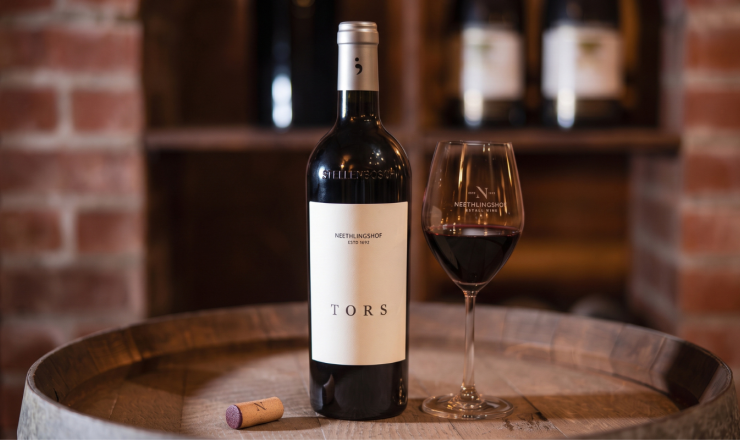
Neethlingshof debuts flagship red 'TORS' with Absa Cape Blend Top 6 Win
Neethlingshof Estate has introduced its flagship red, TORS, marking its debut with a win at the Absa Cape Blend Top 6 Awards for its maiden 2024 vintage. Crafted as the estate’s pinnacle expression, TORS was developed for fine wine collectors seeking a micro-vinified Stellenbosch blend shaped by site specificity and low-intervention winemaking.

The shelf has moved: how AI is changing the way consumers find wine
The way consumers find wine is changing. A decision that once happened in front of a shelf or with advice from a wine retailer can now start with a question typed into an AI platform.