
South African liquor industry in joint operation with community policing forums
· 3 min read
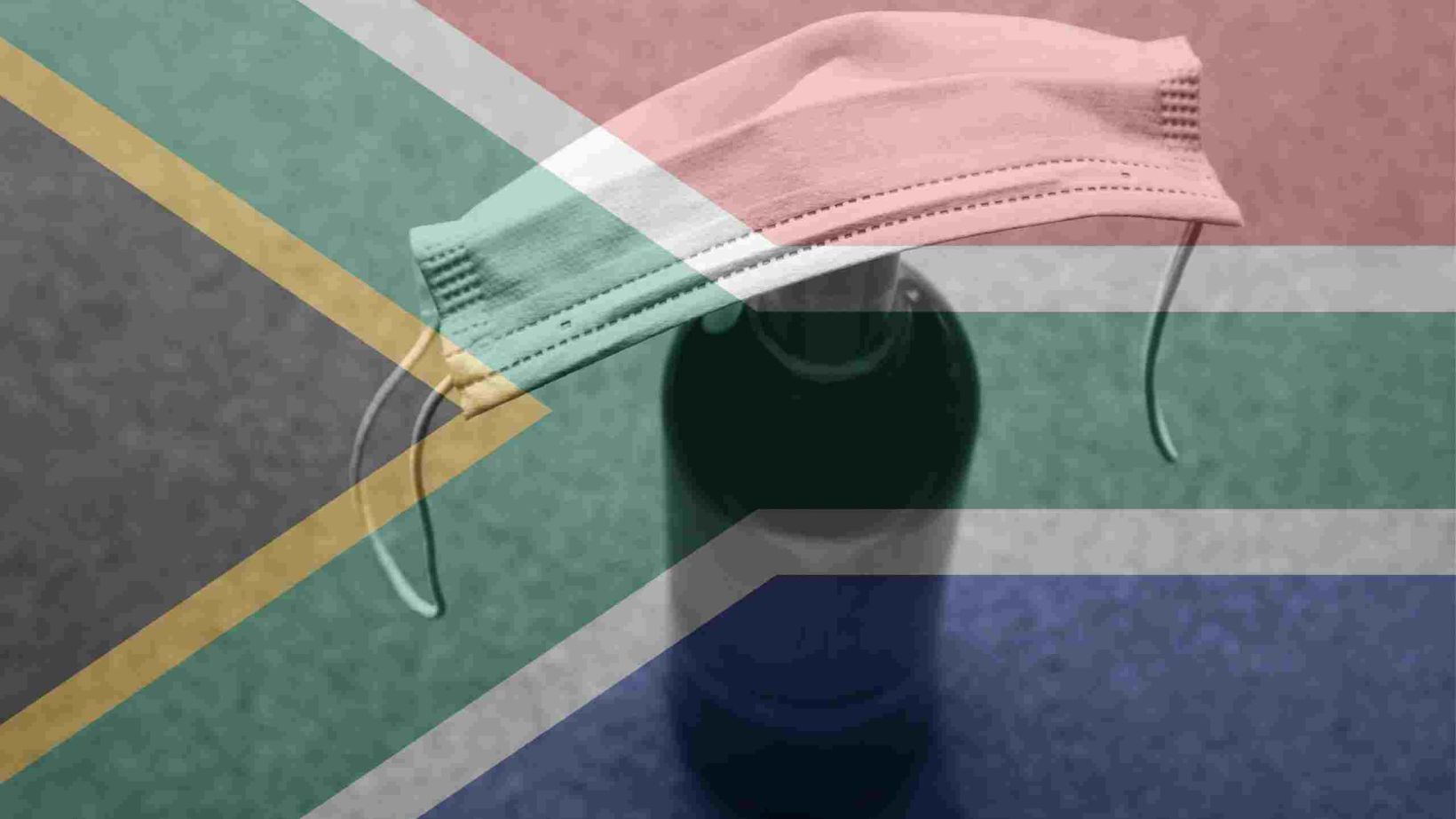
The South African liquor industry is committed to working with stakeholders to bolster existing compliance practices and introduce new ones. It has also launched several harm-reduction initiatives to reduce the incidence of gender-based violence (GBV).
One of these is Project Mpipa, which is currently underway in targeted hotspot areas in four provinces. Project Mpipa aims to assist Community Policing Forums (CPF) to step up their compliance monitoring and reduce the incidents of alcohol-related GBV.
The spokesperson for the alcohol industry Sibani Mngadi welcomed the move. “This was one of many initiatives pursued by the sector as part of the social compact being forged among all stakeholders to bring about a change in our approach to drinking behaviour,” said Mngadi.
In the Western Cape, the targeted areas are Delft, Nyanga, and Mitchells Plain; in the Eastern Cape, Mthatha and Lusikisiki; in KwaZulu-Natal, Inanda and Umlazi; and at Orange Farm and Dobsonville in Gauteng.
So far, forty community patrollers - affiliated with the relevant hotspot CPF - have been engaged. Their task is to see that Covid-19 protocols are followed, including social distancing plans, wearing face masks, availability and use of hand sanitisers, and general good hygiene on the premises. The patrollers formerly undertook similar duties voluntarily but will now be compensated for their efforts.
The patrollers are equipped with reflector jackets, face masks, and mobile phones loaded with data. Working with the tavern-owners, the CPF patrollers will be responsible for seeing that opening hours from Monday to Thursday are strictly adhered to.
The patrollers will also assist in preventing the sale of liquor to persons under 18 years of age, to pregnant women, and to people who are intoxicated. This oversight will extend to actively promoting no drinking or driving and where possible, preventing this from occurring. They will also work to ensure the safety of intoxicated pedestrians, see that disorderly noise and other disturbances are controlled, and report on whether or not alcohol promotions on display are responsible.
A significant element of their work will include ensuring women are safe, such as escorting them home, and in some cases, paying random visits to the homes of victims of GBV to check on the occupants’ safety.
National Community Police Board Public Relations Officer TJ Masilela said, “We know that taverns can play a key role in community projects. The owners and the community welcome Project Mpipa because it is dealing directly with informing their customers about GBV and helping to prevent it. GBV and domestic violence is madness. Let’s stop the madness, now.”

More from
Markets, business and trade

Does Government know what it’s costing you?
A decision made in Pretoria can change the way a wine business operates. But who makes sure the people making those decisions understand what happens on the ground? South Africa Wine’s Jordyn Goeieman takes us inside the often unseen work of influencing the policies that affect the industry.

All roads lead to Wine Paris
With professionals from more than 169 countries attending Wine Paris in 2026, the exhibition has become an increasingly important meeting point for the global wine trade. Nicolas Cuissard, Director of Wine Paris, speaks to WineLand about the exhibition’s growing international influence, opportunities for South African producers and what it takes to turn participation into business.
Before you bottle it, can you sell it?
A good wine and an attractive label are not enough to build a sustainable business. South Africa Wine’s Phil Bowes explains why finding customers, testing assumptions and understanding the numbers should come before committing to a new wine brand.