
Swartland bespoke
Riebeek Valley Wine Co has successfully transformed itself into a premium producer of authentic Swartland wines.

· 4 min read
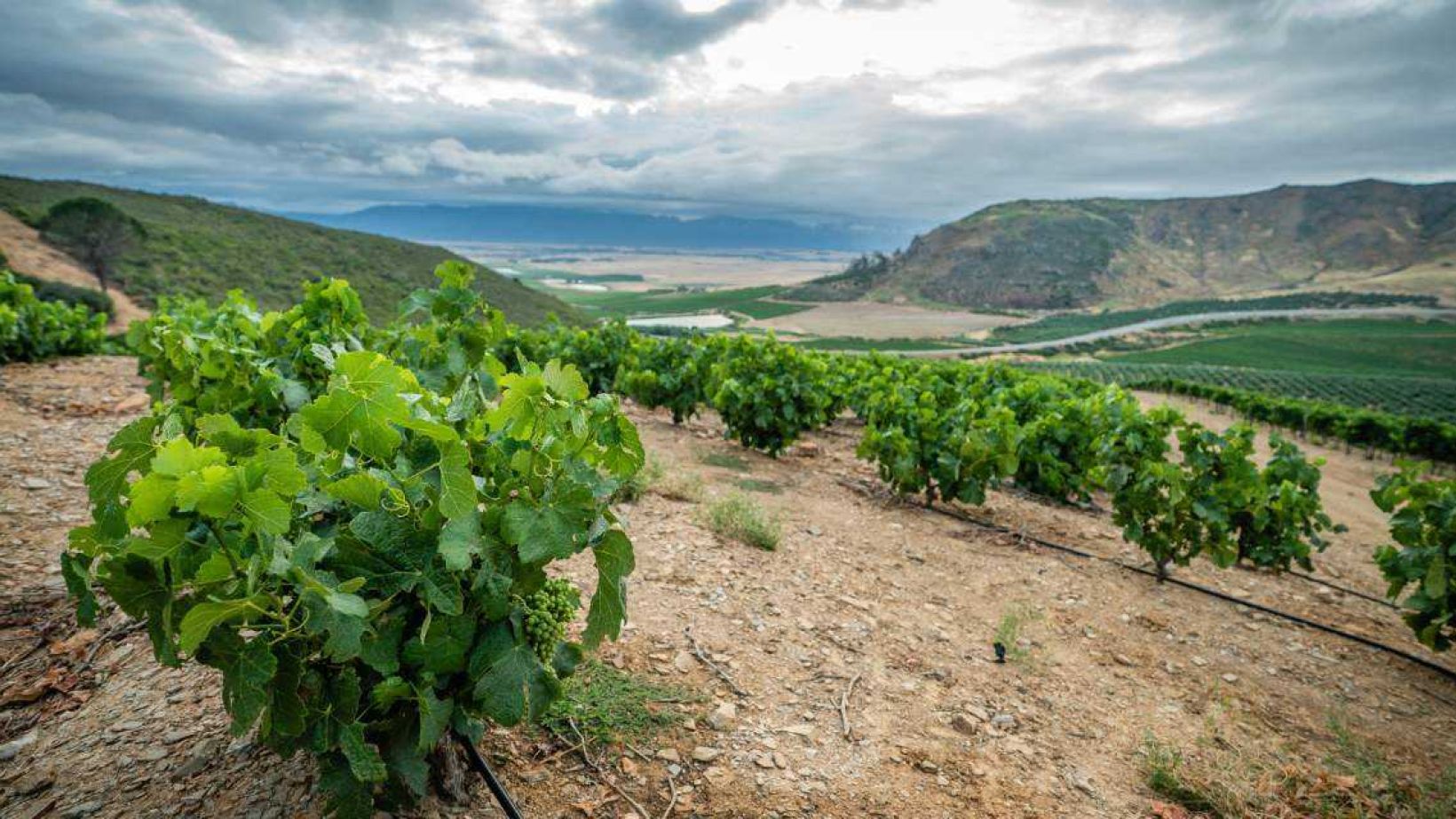
Since it became a company in 1999, Riebeek Valley Wine Co (RVWC) knew it would have to find a way to transition from value-based bulk wines to a more premium offering. With diminishing areas under vine, it was essential to ensure it could offer producers the best prices possible while remaining competitive in the market.
The warm, dry Swartland climate favours lower production levels and high-quality, concentrated wines, so it made sense to leverage this by establishing a boutique cellar to produce wines authentic to the region. The Riebeek Boutique Cellar processed its first harvest in 2019. It specialises in minimalistic, low-intervention styles and highlights wines made from grapes from the many old-vine vineyards to which it has access.
“Bulk wine is still an important part of our business, but rather than selling bulk wine in the open market, our approach is more focused,” RVWC CEO Werner Engelbrecht says. “We work with brand owners in local and export markets to make wines according to their specifications and style. We see ourselves as partners in our clients’ brands.”
Unlocking value
It’s not easy to innovate in an established structure. “Systems like to revert to what feels normal,” Werner says. “That’s why we decided to manage the Boutique Cellar as a separate business with its own team and finances.”
The two sides of the business are a natural fit. The Boutique Cellar allows RVWC to offer its clients a new range of authentic premium wines made to order. This supports the shift from commercial wines with narrow margins to more bespoke wines focused on profitability. “The innovation happening in the boutique cellar is being adopted into the bigger system,” he says. “As the project matures, the two businesses will eventually be incorporated into one.”
RVWC’s service offering has also adapted to the success of the boutique model. “Initially, the idea was to create a space for fellow winemakers to produce their wines in collaboration with RVWC,” he says. “This has shifted to where the team at Riebeek Boutique Cellar makes wines either for specific clients or for our own brands. Our premium brands, such as Kasteelberg and RAAR, are growing nicely and our focus is to produce enough wine to sustain the growth of these labels. At the same time, we also produce premium Swartland wines for specific export clients. This entails the full service, from making wines and bottling to logistics services that make it easier for our producers to achieve their goals.”
Additional services such as storage space provide temperature-controlled conditions for bottled wines, while production services such as bottling, labelling and logistics add further value. “We can assist a client through the whole value chain up to shipment of the wine,” he says.
Unlocked potential
RVWC’s winemaking philosophy is based on simplicity and getting the basics right, and investing in modern technology, such as filtration and cooling systems, only when it leads to quality improvements. “You can only do that if you have access to excellent quality grapes,” Werner says. “Chenin Blanc and Shiraz have an effortlessness in terms of farming, winemaking and overall quality, and this is especially true for the Riebeek Valley,” he says. “Grenache Blanc and Grenache Noir are also emerging as cultivars that provide excellent quality.”
Stylistically, RVWC prefers more elegant styles of wines with pure expression of fruit. “Wine from the Riebeek Valley in the Swartland is naturally rich and fruitful,” he says. “We endeavour to retain the freshness and elegance in our wines with earlier pickings, minimum additions, natural ferments where possible and the use of older oak.”
With energy considerations increasingly a concern, RVWC recently invested in solar energy. Other sustainability initiatives include composting stems, which are used as organic fertiliser in some old-vine vineyards, reducing water consumption and finding more productive ways to use wastewater.
The cellar only produces wines from the Swartland region, a specialisation that more than makes up for the disadvantages of being a smaller, regional winery, Werner says. “The Swartland is home to grapes with fantastic fruit and softer tannins, but the wines still retain a freshness, concentration and focus. Through the Swartland Wine Route there’s good collaboration to market the Swartland as a destination for high-quality, fine wines with a unique character.”
RVWC’s success is built on three values: homegrown, conscious and collaborative. With its focus on the Swartland region, the cellar doesn’t try to be everything to everyone. It works with producers and clients on special projects such as Old Vine Chenin Blanc, which can be sold at a premium. “This allows our producers a more sustainable income on these vineyards and they can keep them in production,” he says.
To explore more articles in our October issue, The Consumer Connection, purchase our digital or print magazine here.

More from
Markets, business and trade

How research is changing the wine we drink
Wine research starts long before the bottle reaches the shelf. It gives producers a better understanding of what happens in the vineyard and cellar, while providing evidence for decisions that can affect the wine consumers eventually drink.
Precision Fermentation: Biotech to balance Flavours, Acid and Alcohol
As warmer vintages widen the gap between ripeness and freshness, a new generation of selected yeasts lets winemakers rebalance wine during fermentation, not after.
WBWE – a global business barometer
If you want to understand where the global wine industry is heading, don’t look only at retail shelves or export statistics. Look at what is happening in the bulk wine market.