
Swirling it up on social media

· 5 min read
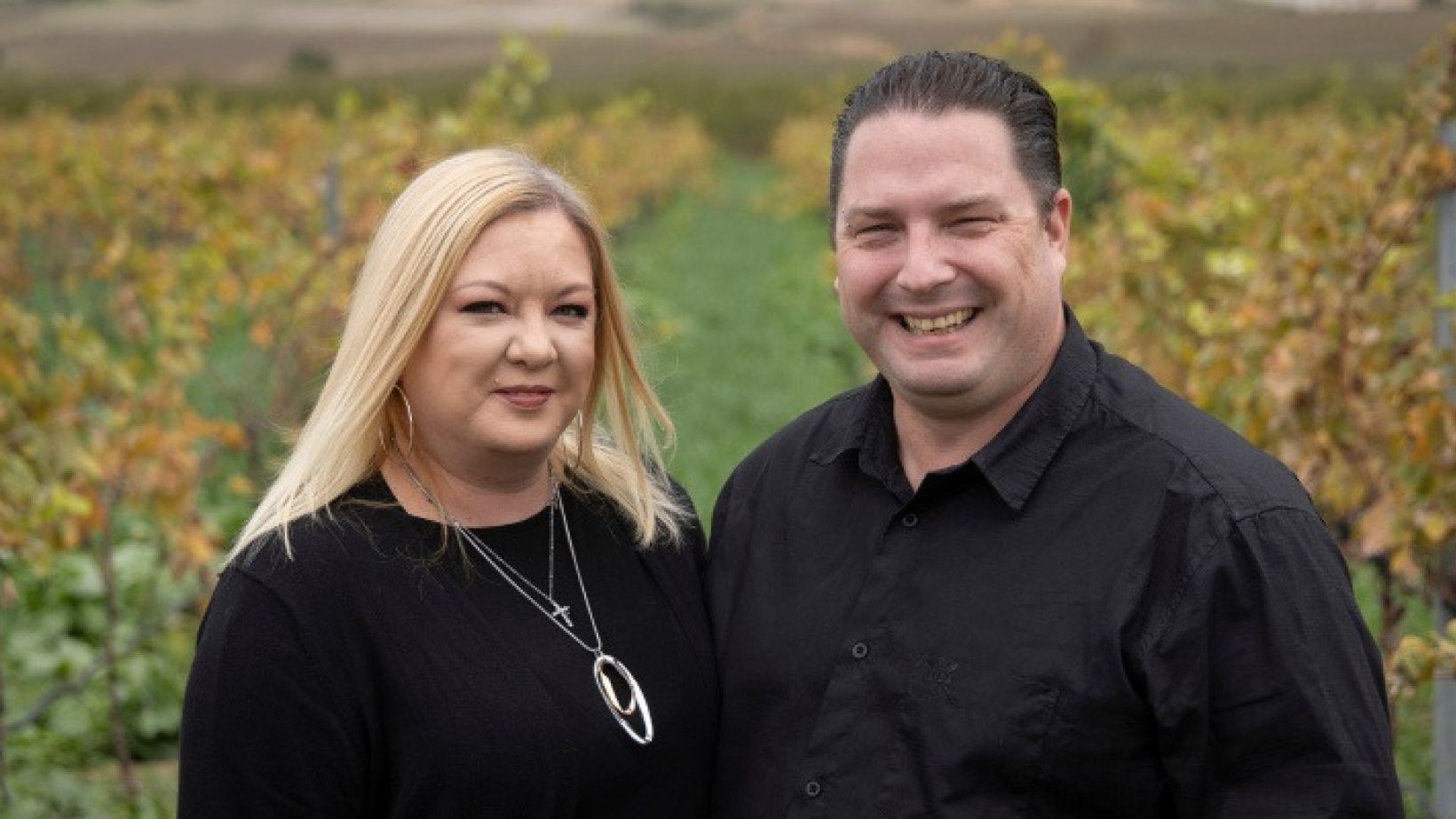
Swirl Media is a social media and website agency dedicated to the wine industry and wine tourism.
What began as a simple trip for Australian Glen Hunt and his South African wife, Sharese, soon became a burning desire to promote wine producers, cultivar associations and wine tourism. “Our journey with wine started over a decade ago when we’d just moved to Cape Town,” Glen says. “As an Australian new to the Western Cape, I was eager to explore the region, and what better way than through its wine farms?” They were struck by the many stories that spoke of a deep connection between the land and the people who work it. This appreciation only deepened with their travels, and wine soon became a symbol of dedication, creativity and resilience.
Their growing fascination with South African wine prompted the couple to create Swirl and Spice, a website where they could share these stories with others. “What stood out for us was how approachable and passionate the people in the industry are,” Glen says. “Whether it’s the winemaker, marketing team or sales staff, everyone’s eager to share their knowledge and stories. Winemakers are incredibly generous with their time and always willing to explain the nuances of the wine being poured.”
The business expanded in line with their experiences and today Swirl Media brings the industry’s stories to a broad audience in various ways, including copywriting and videography services. “Social media has become our canvas, a space where we can share these stories in a way that feels real, engaging and meaningful,” Glen says. “We’re inspired by how digital platforms can bring the vineyard to life, connect winemakers with wine lovers and turn everyday moments into opportunities for education and celebration.”
Going social Social media offers wine farms a powerful way to extend their brands beyond the bottle. “It’s an opportunity to connect consumers directly with the terroir through engaging visuals, behind-the-scenes content and storytelling,” Glens says. “By showcasing their heritage, processes and people, wine farms not only build brand authenticity but can also create an emotional connection with wine lovers, turning casual customers into loyal ambassadors.”
Platforms such as Instagram, Facebook and TikTok allow farms to bring followers into the heart of the vineyard and cellar in creative ways. “This adds credibility and a personal touch that resonates with viewers, and builds trust and an appreciation for the wine and the people behind it.”
More than a product Social media provides an affordable and easy way to introduce visitors to a winery’s winemaker while showcasing its vineyard and highlighting historical quirks that make any story unique. “People want authenticity and to experience your brand from the comfort of their home, so don’t be afraid to show the behind-the-scenes moments, challenges and celebrations that make your farm unique,” Glen says.
Social media is also a powerful educational tool that’s still underutilised in the wine industry. “Time after time, we see wineries posting only polished bottle shots, instead of taking the opportunity to deliver content that teaches the audience something new, whether it’s how pruning works, what makes a cultivar unique or how to pair your wine with food,” Glen says. “Short videos featuring your winemaker or viticulturist and explaining what processes they follow are more engaging than traditional bottle shots and build trust with your followers. When people learn something new about wine, it piques their curiosity, making them want more, which can have a dramatic impact on future offline events.”
Visual medium Video content, especially short-form videos, is made for platforms such as Instagram, TikTok and Facebook, and is an effective way of bringing a brand to life, Glen says. “Think vineyard walks, new equipment, cellar tours, harvest highlights or even quick tasting notes. This format is perfect for storytelling and you don’t need a fancy camera to capture content. Simply crank up the settings and use online file transfer methods such as WeTransfer or Dropbox to maintain the quality.”
Social media differs from traditional media in that it offers unprecedented opportunities for direct engagement. This not only builds community but also spurs authentic word-of-mouth marketing. “Respond to comments, like content you were tagged in on and ask questions to spark conversation,” Glen suggests. “Encourage visitors to tag your farm in their posts and reshare their experiences. Commenting on posts adds value, not only by making the poster more likely to return to your farm or buy your wine, but also by helping to organically increase your reach and thus your viewership.”
Plan with purpose It’s easy to overcommit and underdeliver on content, so it’s a good strategy to decide on a sustainable schedule and stick to it. Facebook Business Manager can link Facebook and Instagram pages to coordinate posts and respond to messages and comments. “Develop a content calendar that aligns with your seasonal activities such as harvest, bottling, events and releases,” Glen says. “Consistency is the key here. Maintain a regular posting rhythm and ensure your messaging stays on-brand.”
Swirl Media was inspired by the wine industry, and Glen and Sharese have made it their mission to return the favour. “Digital platforms can bring the vineyard to life, connect winemakers with wine lovers and turn everyday moments into opportunities for education and celebration,” Glen says. “For us, it’s about more than content, it’s about connection, community and honouring the craft of winemaking through storytelling.”
To explore more articles in our August issue, Champions of Change, purchase our digital or print magazine here.

More from
Markets, business and trade

How research is changing the wine we drink
Wine research starts long before the bottle reaches the shelf. It gives producers a better understanding of what happens in the vineyard and cellar, while providing evidence for decisions that can affect the wine consumers eventually drink.
Precision Fermentation: Biotech to balance Flavours, Acid and Alcohol
As warmer vintages widen the gap between ripeness and freshness, a new generation of selected yeasts lets winemakers rebalance wine during fermentation, not after.
WBWE – a global business barometer
If you want to understand where the global wine industry is heading, don’t look only at retail shelves or export statistics. Look at what is happening in the bulk wine market.