
The quiet partner keeping SA wine on its feet
Wine farming has never been for the faint-hearted. If it’s not hail shredding young shoots or frost nipping at yields, port delays, rising costs or a global market that seems to change its mind overnight. And yet, year after year, South Africa’s wine industry shows up, resilient, adaptable and…

· 4 min read
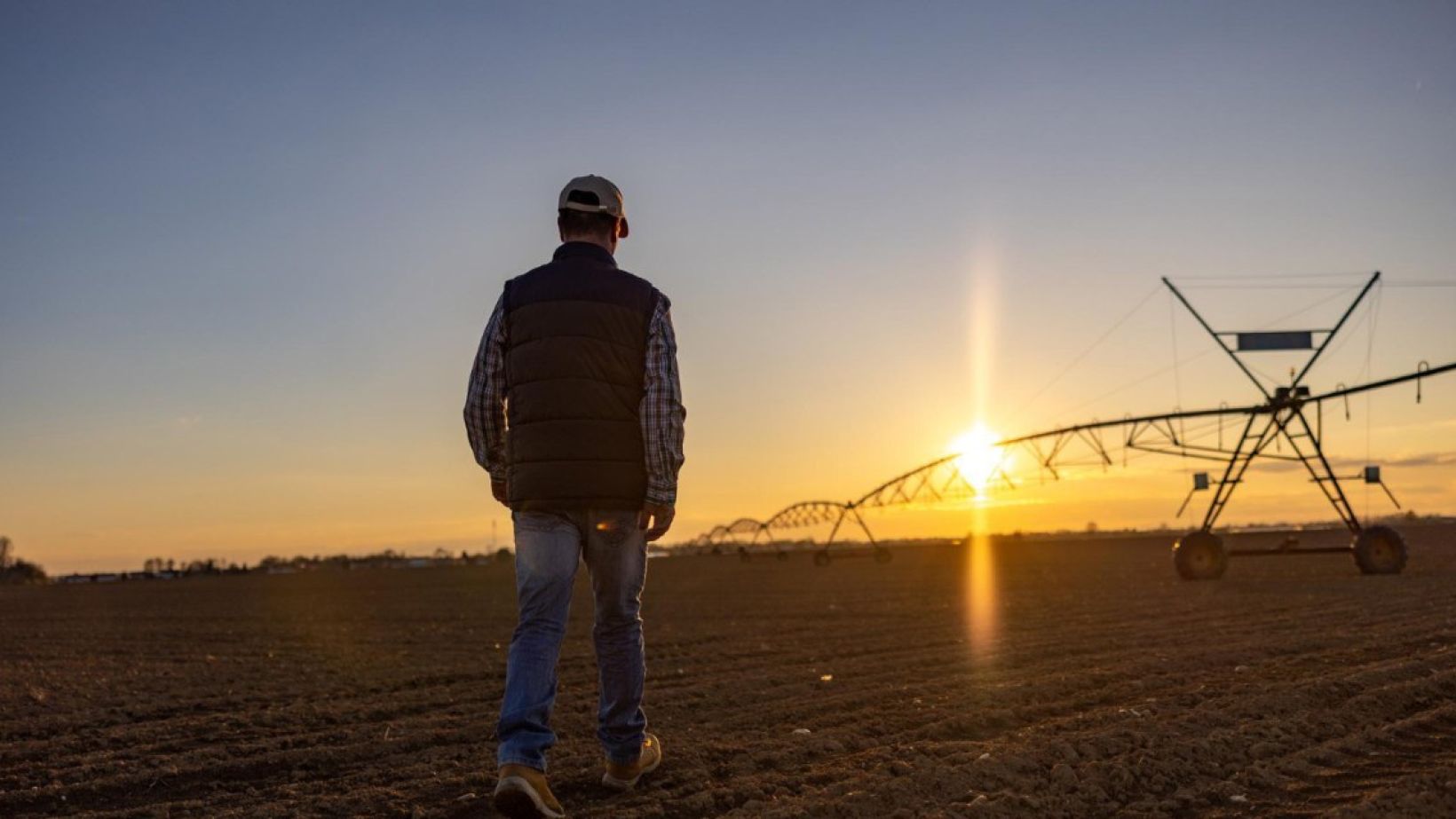
Behind the scenes, there’s an unsung partner helping producers stay in the game: insurance.
Today’s wine farmer is managing far more than vineyards and cellars. Climate volatility, infrastructure challenges and increasing compliance demands have turned risk management into a full-time job. That’s where specialised agricultural insurance has become less of a grudge purchase and more of a strategic tool.
“Wine farming is no longer just about what happens in the vineyard,” says Fanus Coetzee, Chief Executive Officer: Broker Solutions at Santam. “Producers are running complex businesses with long-term investments. Insurance plays a vital role in protecting that value, and giving farmers the confidence to plan ahead.”
Climate risk is no longer theoretical
Extreme weather has become part of everyday conversation among farmers. Hail, frost, fire, wind and unseasonal rain can wipe out years of work in a single afternoon. And when you consider that new vines can take up to five years before reaching full production, the financial knock can be devastating.
Crop insurance helps absorb that shock, covering natural perils and, crucially, supporting income protection during the long road to recovery. It’s no longer just about replacing what was lost; it’s about keeping businesses viable while vineyards get back on their feet.
When the cellar becomes high risk
Modern wine farms are capital-intensive operations. Trellising systems, irrigation infrastructure, pumps, generators, electronics and, of course, the cellar itself all represent significant investment.
Add load shedding, ageing infrastructure and increasingly complex production systems, and the risk profile grows fast. Insurance that covers everything from accidental damage and contamination to collapsed tanks or catwalks is becoming essential, not optional.
“Many producers underestimate how exposed their assets are until something goes wrong,” says Fanus. “Having the right cover in place can mean the difference between a setback and a shutdown.”
Exports, recalls and reputational risk
South Africa may be known for value, but premiumisation is changing the game. Higher-value wines mean greater exposure, especially in export markets such as the EU, the USA, and Canada.
Product recall insurance and export liability cover protect producers against the costs of investigations, transport, disposal and even communication should something go wrong. In an age where reputational damage spreads faster than ever, this kind of protection has become critical.
Wine tourism: a business on its own
For many producers, wine tourism is not a side hustle, but rather a significant revenue stream. Guesthouses, tasting rooms, restaurants and event venues contribute close to R10 billion annually to the economy and support tens of thousands of jobs.
But hospitality comes with its own risks: public liability, property damage, business interruption and food safety, to name a few. Tailored tourism and hospitality coverage helps ensure that one incident doesn’t derail an entire operation.
The broker-farmer partnership
Insurance is only as effective as the advice behind it. Brokers play a key role in translating complex risk into practical solutions that make sense on the ground.
“Farmers don’t need off-the-shelf products; they need advice that understands their reality,” says Fanus. “Strong broker relationships help ensure cover evolves as the farm evolves.”
With more than a century of experience in agriculture, Santam continues to work closely with brokers and producers to tailor solutions that reflect the whole wine value chain, from vine to bottle to visitor.
Planning for an uncertain future
The South African wine industry is steering a future influenced by climate adaptation, premiumisation and global uncertainty. What hasn’t changed is the need for resilience.
Insurance won’t stop the hail from falling or the power from going off. But it does provide a safety net, one that allows producers to recover faster, protect long-term investments and keep building businesses that can weather whatever comes next.
As Fanus puts it, “Insurance is all about being prepared, so when challenges come, you can focus on what you do best: making great wine.
“Under the yellow umbrella, that quiet confidence may be one of the industry’s most valuable assets.”

More from
Markets, business and trade

Don’t arrive in Paris hoping to get lucky
Three days in Paris can open doors to markets around the world. But the real work starts long before the exhibition. From finding the right buyers to preparing your stand and following up afterwards, here's how to make Wine Paris count.

Paris is calling. Again.
Wine Paris has become one of the important dates on the global wine calendar. For South Africa, being there matters. But being there with a plan matters more.
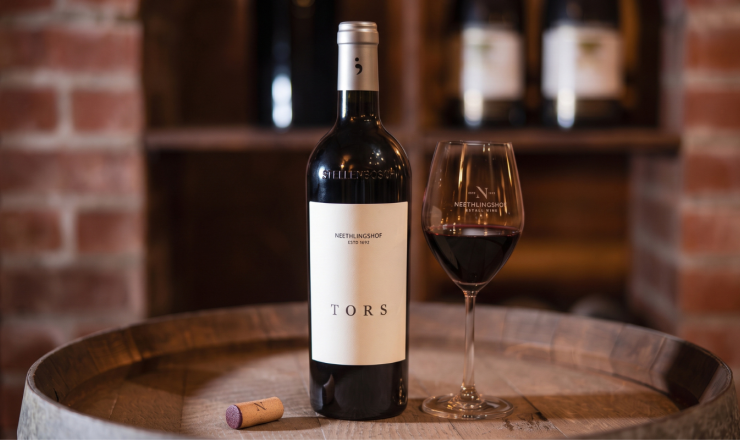
Neethlingshof debuts flagship red 'TORS' with Absa Cape Blend Top 6 Win
Neethlingshof Estate has introduced its flagship red, TORS, marking its debut with a win at the Absa Cape Blend Top 6 Awards for its maiden 2024 vintage. Crafted as the estate’s pinnacle expression, TORS was developed for fine wine collectors seeking a micro-vinified Stellenbosch blend shaped by site specificity and low-intervention winemaking.