
Reaching for the summit
Every mountain has a summit, and every summit demands time to reach it. Nobody airlifts a climber to the top of Kilimanjaro on day one and calls it a victory.
· 6 min read
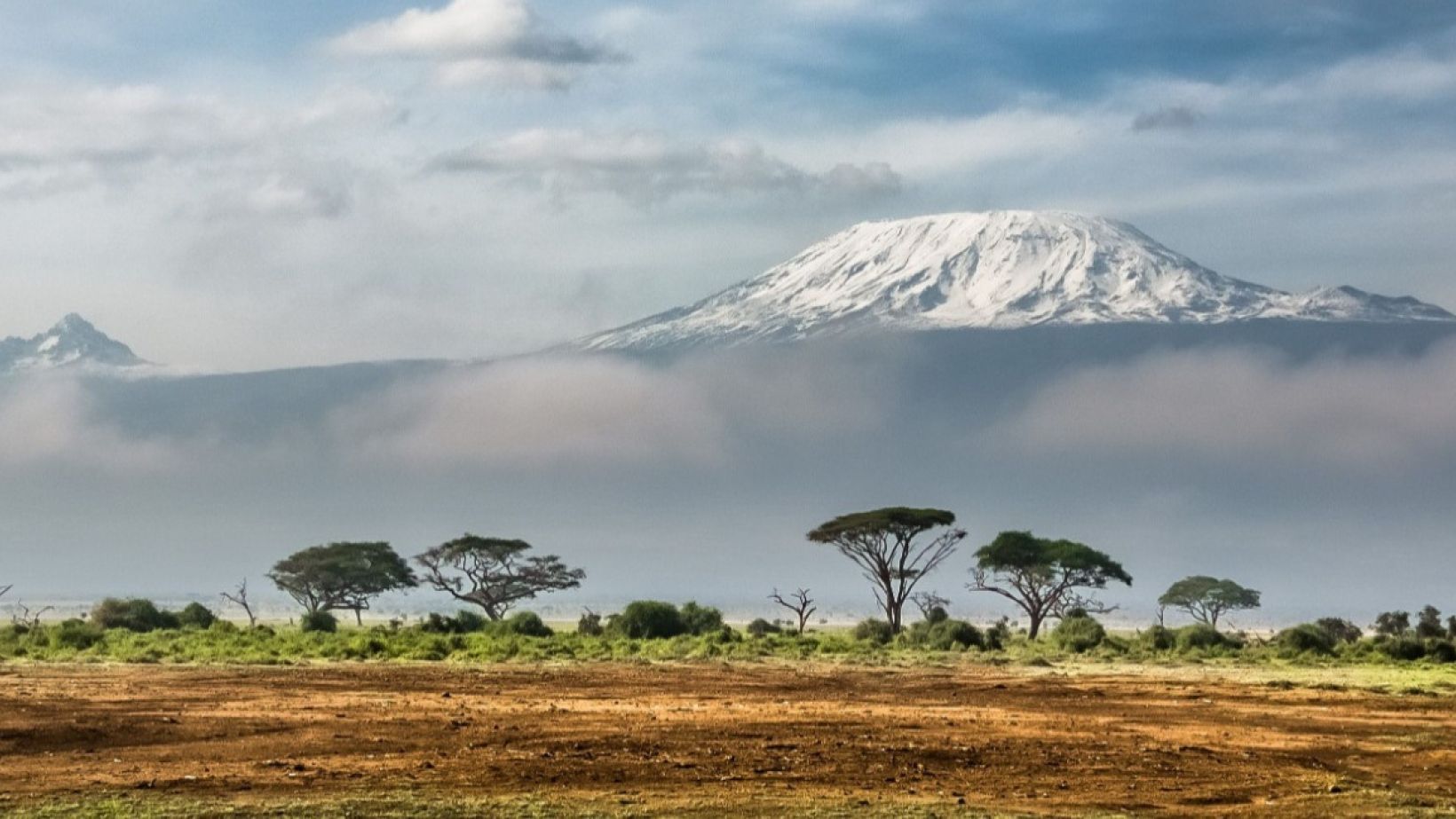
The ascent itself, the altitude sickness, the shifting light, the slow adjustment of lungs and legs to thinner air is what makes the view from 5 895 metres mean something. You earn it in stages.
South African wine has a summit too. We just haven’t been patient enough to let our best bottles climb toward it.
For years, the industry has built its reputation on where wine comes from decomposed granite in Stellenbosch, ancient shale in Swartland, the cool Atlantic pull through the Hemel-en-Aarde. We have told a compelling story about the place. What we haven’t told, with nearly the same confidence, is a story about time. And without that second story, we are sending remarkable wines out into the world before they have finished becoming what they were always capable of being.
The base camp problem
Most South African wine never leaves base camp.
It is bottled, labelled, shipped and sold within months of harvest; sound, correct, often genuinely delicious, but rarely given the chance to show what happens further up the mountain. A young Chenin Blanc at base camp is bright and citrus-driven. Give it two or three years, and it starts finding texture, weight, a kind of quiet authority it simply didn’t have before. That is altitude.
The tragedy is that we rarely see it, because so few bottles are allowed to climb that far. We taste the wine at the trailhead and assume it represents the whole mountain.
Who carries the gear
Climbing takes support. Someone has to carry the tents, the oxygen, the food and the infrastructure that makes a summit attempt possible at all. In wine, that infrastructure is capital: warehouse space, insurance, the opportunity cost of stock that isn’t generating revenue while it waits.
This is the honest, unglamorous reason so much South African wine is released young. Not due to a lack of ambition, but because holding wine back is expensive, and the industry’s margins have been thin for a long time. A producer who wants to give a wine three extra years in bottle needs the balance sheet to survive those three years paying for labour, barrels, packaging and the next harvest, while a warehouse full of unsold stock earns nothing.
Asking small, independent producers to simply “hold back” their best wines is asking them to self-finance an expedition with no guaranteed sponsor. It’s not that they don’t want to reach the summit. It’s that somebody has to carry the gear, and right now, that job falls almost entirely on producers who can least afford it.
Sherpas, not solo climbers
No one summits Kilimanjaro alone. Successful expeditions work because the load is shared guides, porters, cooks, each carrying a piece of what the climb requires.
South African wine needs the same distributed effort for older vintages to become the norm rather than the novel.
Producers with the financial room could commit to holding back a small percentage of a vintage each year – not the whole cellar; just enough to build a track record of what their wines look like with age. Distributors could resist the instinct to clear a vintage the moment the next one arrives, making room on the truck for wines with a year or two of bottle age instead of only the newest release. Restaurants could designate even a handful of “reserve list” wines – older vintages priced to reflect the extra time, not discounted as though age were a flaw. Retailers could stop treating a 2022 white on the shelf in 2026 as unsold stock and start treating it as inventory, doing exactly what it was always meant to do.
None of these is a radical task in isolation. Together, they change the terrain the whole industry climbs on.
Consumers at altitude
The final Sherpa in this story is the consumer, and this is where the culture actually shifts.
Right now, most South African wine drinkers reach for the newest vintage on reflex – not because they’ve tasted both and prefer the young wine, but because newness has quietly become shorthand for quality. That is a habit, not a preference, and habits can be retrained.
Imagine a wine list, or a shelf, where a three-year-old Chenin Blanc sits proudly beside the current release, priced a little higher, framed not as leftover stock but as the wine that has already done its climbing. Imagine sommeliers trained to say, “this one’s had time to find itself,” the way they might talk about a Riesling or a white Burgundy from regions where ageing is simply assumed, not exceptional.
That single shift in framing from “why hasn’t this sold?” to “this one’s earned its altitude” is the difference between a market that fears old stock and one that prizes it.
The view from the top
South Africa has extraordinary raw material for this. The acidity, structure and concentration in our best whites and reds give them the legs to climb. What’s been missing isn’t the wine’s ability to age, in fact it’s the industry’s collective willingness to let it, and the consumer’s willingness to wait for it.
But maybe this isn’t really about wine at all.
Maybe it’s about how we treat anything, or anyone, that needs time to become what they’re meant to be. We live in a world obsessed with the new the next release, the next version, the next vintage and somewhere along the way we forgot that some of the most beautiful things can only be found on the other side of patience. A wine that’s been allowed to wait isn’t behind. It’s arrived somewhere the young wine hasn’t yet.
There’s something moving about that idea when you think about it. A bottle sitting in a cellar in the dark, unnoticed, uncelebrated, simply becoming, while the world rushes past it, reaching for whatever’s newest. And then, one day, someone finally opens it. And it isn’t just good. It’s whole. It tastes like the time it was given.
I think that’s what I really want for South African wine. Not just recognition for where it comes from, but respect for how long it took to get there. I want a producer to be able to hold back a bottle without fear of the cost to them. I want a consumer to reach for the older vintage and feel, for a moment, like they’ve chosen something patient and true rather than something merely convenient. I want us, as an industry and as drinkers, to fall a little bit in love with waiting again.
Kilimanjaro doesn’t reward the fastest climber. It rewards the one who trusts that the summit will still be there after the slow, patient ascent and who understands that the climb itself is what makes the view mean anything at all.
Our wines deserve that trust. So, honestly, do we. The mountain is there. The wine is up to the task.
All that’s left is for us to let it.

More from
Markets, business and trade

Paris is calling. Again.
Wine Paris has become one of the important dates on the global wine calendar. For South Africa, being there matters. But being there with a plan matters more.
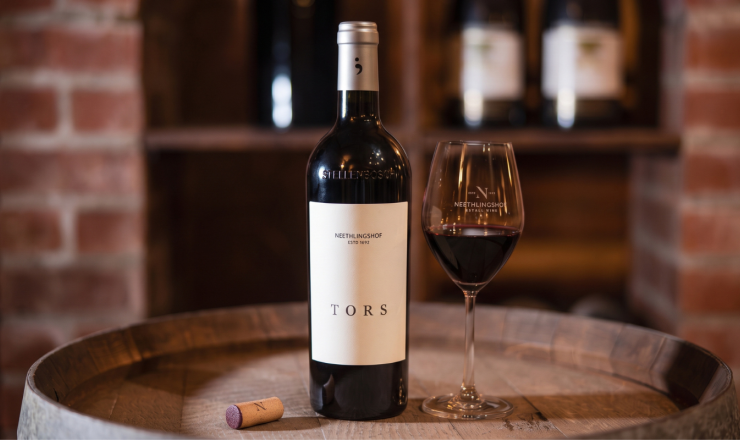
Neethlingshof debuts flagship red 'TORS' with Absa Cape Blend Top 6 Win
Neethlingshof Estate has introduced its flagship red, TORS, marking its debut with a win at the Absa Cape Blend Top 6 Awards for its maiden 2024 vintage. Crafted as the estate’s pinnacle expression, TORS was developed for fine wine collectors seeking a micro-vinified Stellenbosch blend shaped by site specificity and low-intervention winemaking.

The shelf has moved: how AI is changing the way consumers find wine
The way consumers find wine is changing. A decision that once happened in front of a shelf or with advice from a wine retailer can now start with a question typed into an AI platform.