
Western Cape launches Africa agriculture strategy
The Western Cape Department of Agriculture launched its Africa Agricultural Strategy for the Western Cape in May 2022.
· 3 min read

Western Cape Minister of Agriculture Dr Ivan Meyer said that the strategy focuses on co-creation within economic development, job creation, and food security.
“The African market offered great trade opportunities and was essential to South Africa and the rest of the world. We aim to unlock agricultural opportunities in Africa and the Western Cape Agricultural Sector, including agricultural trade products, inputs, services, technology partnerships, information, skills development, training and logistics,” says Ivan.
Meyer continues: “Africa is the third-largest market of the Western Cape’s primary agricultural exports, accounting for R4.3 billion in 2021. The African market imports share of 41% for agricultural exports comes from South Africa. Globally it accounts for 2.9% of global imports and contributes 2.8% to the world economy. Furthermore, during 2012-2017, the average annual GDP growth increased by 4.3%, the second fastest-growing economy after Asia at 4.5%.”

Welcoming the strategy, the Consul General of Angola, Mr Sebastião De Carvalho Neto, highlighted that agriculture was the base for economic development and the fight against poverty and hunger.
“The Angolan Government is looking at diversifying its economy with a strong focus on agriculture. We are looking at production capacity, innovation and technology and market opportunities. The Department of Agriculture’s African Strategy for the Agricultural Sector lays the platform to strengthen bilateral links and develop a more focused approach to our relationship with the Western Cape Government, Wesgro and the Department of Agriculture,” he says.
Siobhan Thompson of Wines of South Africa highlights the importance of an African-South Africa wine Growth Strategy.
“South Africa’s wine exports to other African countries increased from about 15,5 million litres in 2020 to 23,4 million litres in 2021. For example, between 2020 and 2021, volumes traded with Nigeria increased from 1,9 million to 6,6 million litres, while Kenya’s volumes increased from 3,5 million to 4,8 million litres, and Tanzania’s from 2,2 million to 3,4 million litres.”
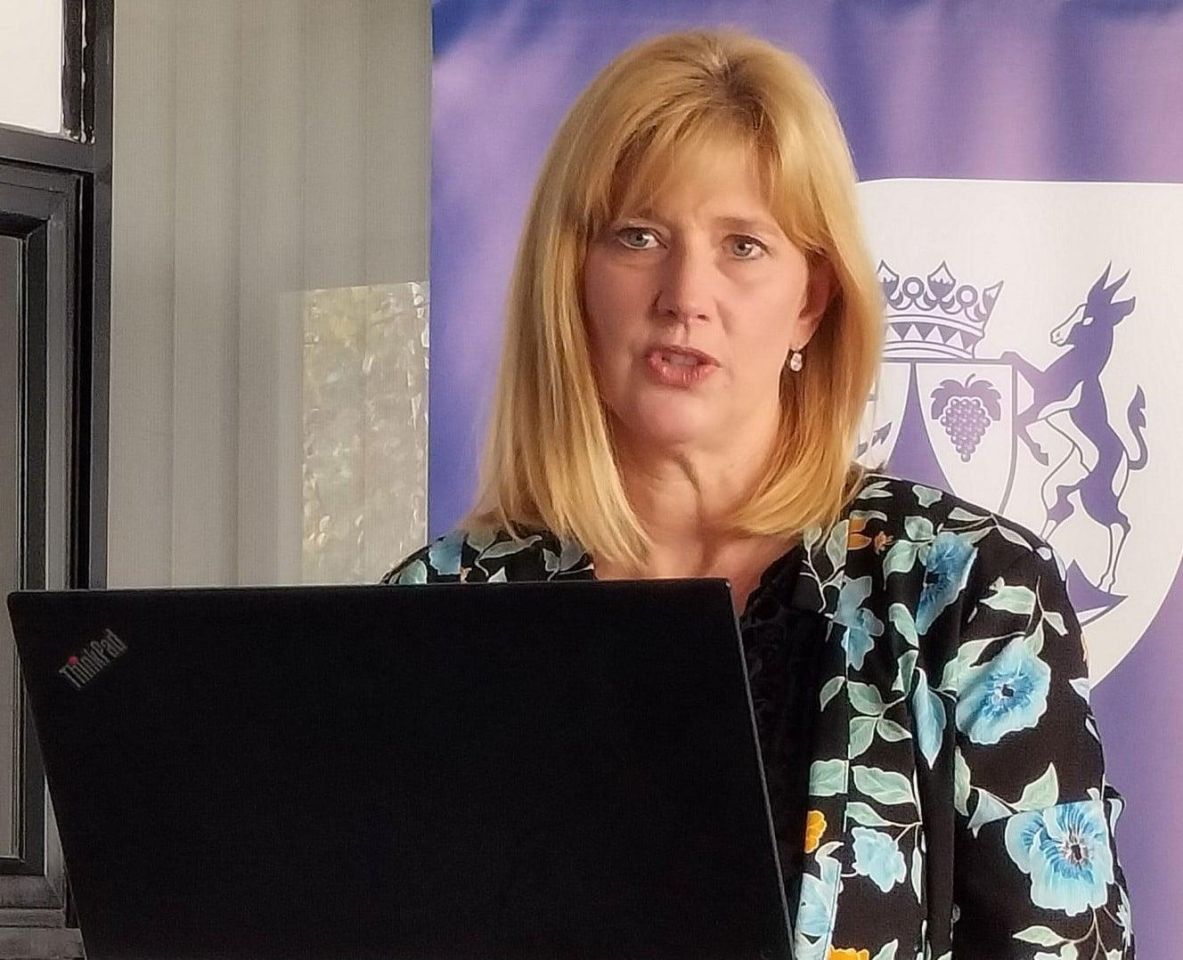
CEO of Agri-Western Cape, Jannie Strydom, says that his organisation is committed to supporting the WCDoA’s African Strategy.
“Government can play a crucial role by addressing poor infrastructure, logistical challenges and by facilitating trade relationships. Government must take responsibility for creating and enabling an environment for the private sector to do business,” he says.
“With the turbulence in the world and the impact of the war in Ukraine, Africa is the next centre of agricultural growth, trade and investment. The Africa Continental Free Trade Agreement creates mutually beneficial opportunities to tackle poverty, hunger and food insecurity,” says Ivan.
“The Western Cape Government is committed to increasing two-way trade and investment, growing our respective economies, creating jobs, and promoting safety, well-being and dignity”


More from
Markets, business and trade

Does Government know what it’s costing you?
A decision made in Pretoria can change the way a wine business operates. But who makes sure the people making those decisions understand what happens on the ground? South Africa Wine’s Jordyn Goeieman takes us inside the often unseen work of influencing the policies that affect the industry.

All roads lead to Wine Paris
With professionals from more than 169 countries attending Wine Paris in 2026, the exhibition has become an increasingly important meeting point for the global wine trade. Nicolas Cuissard, Director of Wine Paris, speaks to WineLand about the exhibition’s growing international influence, opportunities for South African producers and what it takes to turn participation into business.

Before you bottle it, can you sell it?
A good wine and an attractive label are not enough to build a sustainable business. South Africa Wine’s Phil Bowes explains why finding customers, testing assumptions and understanding the numbers should come before committing to a new wine brand.