
AfCFTA: Free trade game changer for Africa
· 3 min read
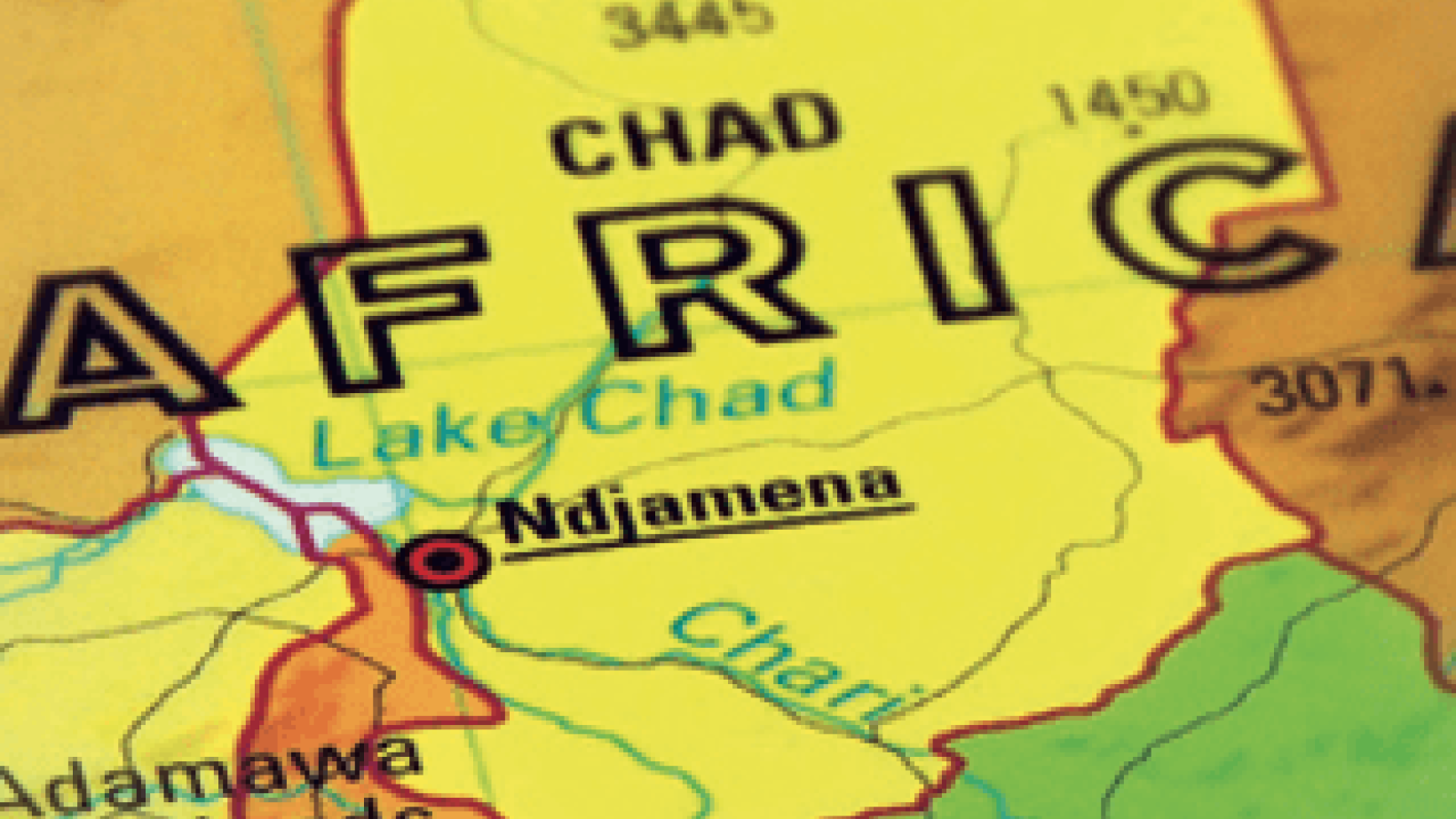
Africa is quietly piecing together the world’s largest free trade zone, which could be a real gamechanger for the continent. But what does it mean for wine exporters looking to expand their African footprint? Anton Pretorius investigates.
An African Continental Free Trade Area (AfCFTA) workshop, conducted by the Department of Trade and Industry (dti) and attended by various industry stakeholders in June this year, revealed that this inter-African trade agreement will only come into force by 1 July 2020.
Initially, it was foreseen that the agreement will come into force by 1 July 2019. It was hoped that negotiations would be completed by the Extraordinary Summit of the AU (African Union) Heads of State and Government during July. The physical infrastructure to ensure actual trade facilitation among the states must also be put in place and initial rollout is predicted to commence in 2030.
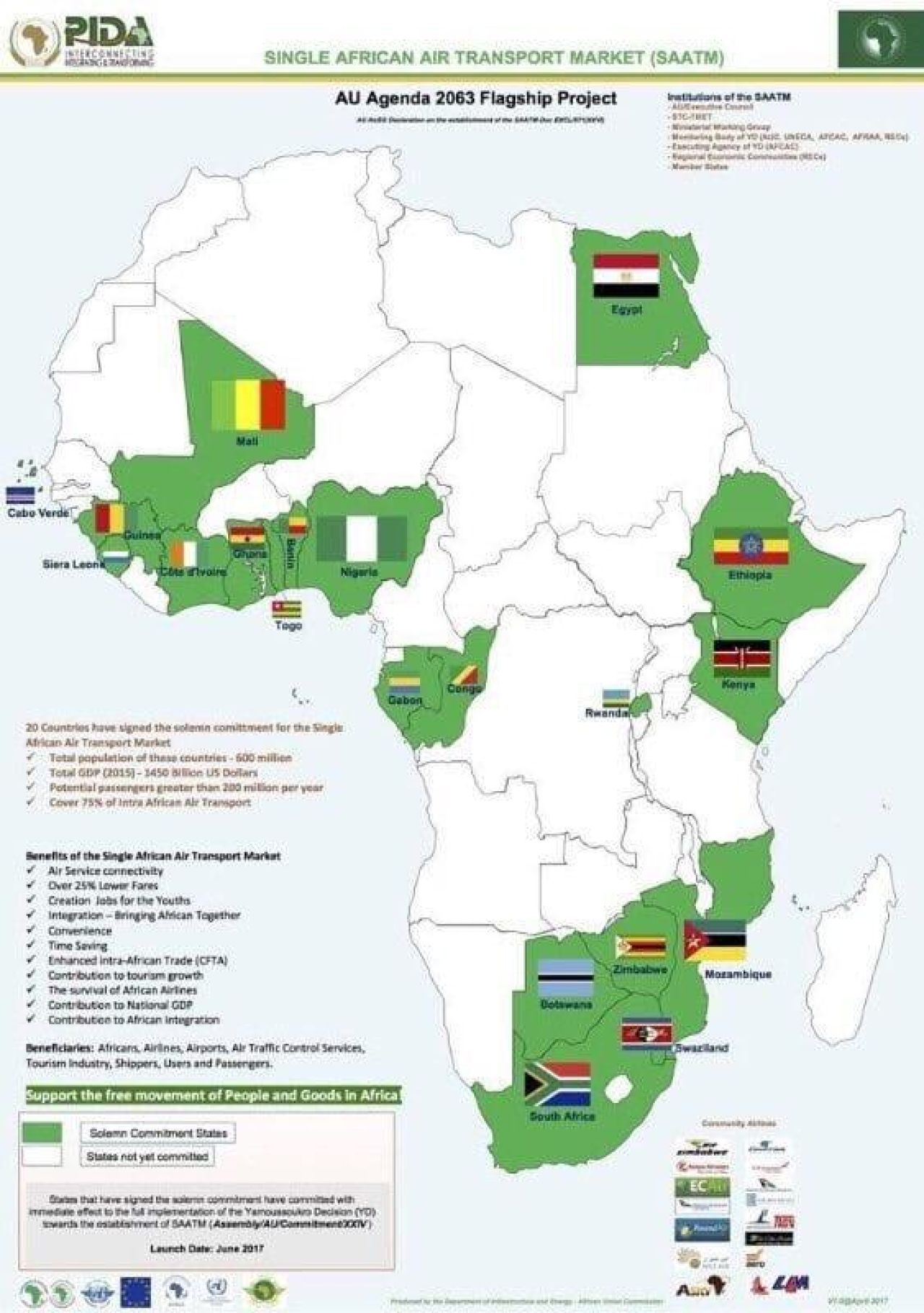
Gambia ratified the agreement in April, bringing the total number of African Union member state ratifications to 22, the minimum threshold for the AfCFTA’s implementation.
The trade agreement, once passed by all 55 AU nations, will capture a market of 1.2 billion people with a combined gross domestic product (GDP) of US$2.5 trillion (R36 trillion). However this is only the first step. The next phase will be crucial negotiations for the operational framework and to clarify important customs and trade issues such as the rules of origin, tariff concessions, payments, settlements, non-tariff barriers and trade information. These issues must all be agreed on before the AfCFTA can be implemented in practice.
The AfCFTA ambitiously aims to eliminate tariffs on most goods, reduce unemployment, liberalise trade in key services, address non-tariff obstacles to intra-regional trade and eventually create a continental single market with free movement of labour and capital to improve intra-Africa trade beyond the current 15%. The agreement is intended to open up market access and create more opportunities, particularly for small businesses and entrepreneurs, while increasing competition and sparking innovation as businesses move across borders more freely.
The AfCFTA is about industrial development, market integration and improving regional value chains, wine industry stakeholder relationship manager Michael Mokhoro says. “Not only will this create a single market for goods and services in Africa, it could also expedite continental integration and enhance intra-Africa trade and investment.”
Trade among African countries currently sits at 15% compared with 20% in Latin America and 58% in Asia, according to the African Export-Import Bank. In its report released last year, the Cairo-based lender says the AfCFTA could increase trade in Africa by 52% by 2022 and more than double it within the first decade after its implementation.
The full version of this article appears in the August 2019 issue of WineLand Magazine with the headline “AfCFTA: Free Trade Game Changer”

More from
People, community and tourism

Hoe om herlewingslandbou te laat leef
'n Twee-dag sessie deur WIETA and Stronger Together South Africa op etiese leierskap vir kelders, plase en handelsmerke by Lourensford en Du Kloof Lodge het insigte oor herlewingsboerdery opgelewer.

Results of the Niche Varieties Challenge 2026
The Niche Varieties Challenge took place again in 2026 to give innovative niche wines a more visible platform and to highlight the diversity developing beyond South Africa's mainstream cultivars.

Are wine clubs in South Africa still relevant?
A bottle of wine is rarely just about what is in the glass. Sometimes it is about the people around the table, which may explain why wine clubs have managed to stick around. The Blaauwklippen Blending Competition offers a glimpse into why this old-school tradition still has a place in a changing…