
Happiness is . . .
St Helena Bay isn’t known for its vineyards. But what makes Don Loubser’s little West Coast vineyard so special is not so much the place as the heart behind it.

· 4 min read
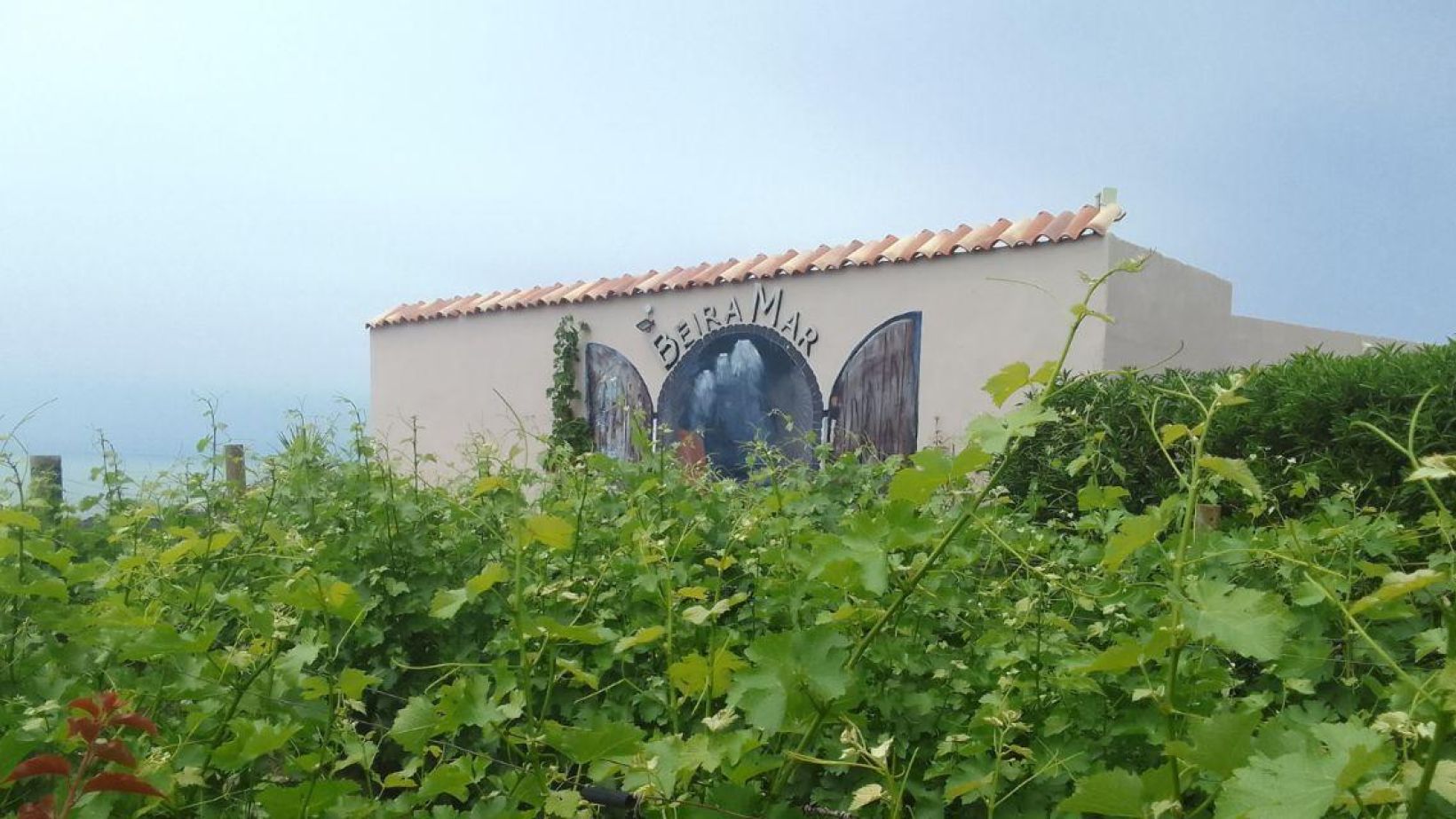
Don Loubser and wife Connie moved to St Helena Bay in 1996 after he retired from a long career in the plastic packaging and production industry at companies such as the Dickenson Robinson Group, Kohler Plastics and Xactics. Once they’d settled in St Helena Bay, he became involved in the hospitality industry through various businesses, hotels and restaurants, before finding their “place of happiness”. Algeria is a little beach restaurant and its name means “happiness” in Portuguese – a nod to Connie’s birthplace of Madeira.
A seaside vineyard Don, who matriculated at Hoër Landbouskool Boland in Paarl, was always interested in agriculture, but any thought of farming was placed on the back burner when he embarked on a corporate career. With their dream home secured, his green fingers were itching for a project, so he decided to establish a vineyard.
In 2022, he planted 135 Pinotage vines between their house and the beach. The ground was levelled and fertilised, and underground water pipes were laid to keep the roots from wandering off in search of moisture. The bush vines were planted close to the ground to protect them from the fierce gusts whipped up over the Atlantic Ocean.
Don and Connie decided from the outset to call their wine brand Beira Mar, Portuguese for “seaside”.
Expert assistance Starting a vineyard from scratch, just three metres from the high-water mark, was a challenge and not something that’s often attempted on the West Coast, but Don relied on the expertise of several close friends and advisors.
His vines came from Elnie Kwekery, a family-run nursery near Wellington that grafts vines commercially. “Jan Louw du Plessis, who took over the business from his parents in 2003, helped me tremendously by supplying me with the right variety of grapes, the proper water pipes, wires, poles and fertiliser, plus a lot of advice,” he says. “Although we studied vine pruning way back at school, those skills were long forgotten. Jan and his team taught, assisted and refreshed my memory on a regular basis.”
He also credits his good friend and winemaker Jaco Brand of Arbeidsgenot Wines for helping him push the project across the finish line. “Jaco supplied us with a wine press and destemmer, which was a massive help and not something you can do without.” Another old friend, Stellenbosch wine producer Nico van der Merwe, offered advice on the technical aspects that could make or break a new wine in the cellar.
Fortunately, fresh water isn’t a problem. Don tells the story of how Vasco da Gama searched for water after he landed in Bahia de Santa Elena on 4 November 1497. “As the oldest permanent residents in Slippers Bay, we managed to find the second well he dug, not far from us,” he says. “It’s not very deep and we managed to get it going again. The well gets filled by fresh rainwater from the mountain and 529 years later we use water from this well for our vines.”
Getting it right The Pinotage was soon followed by Sauvignon Blanc and Shiraz vines, this time closer to the building and on traditional VSP trellising. If everything goes according to plan, they’ll plant 80 more vines this year.
When they visited Connie’s birthplace in Madeira in 2022, they noticed the local practice of growing vines near the ocean. It was an important affirmation. “We’ve done well,” Don says. “I think the seashell soils play a big role, as does the light sea breeze.”
With Jaco’s help, Don bought more Shiraz grapes to make up for some early setbacks. “We managed to fill a barrel, which is currently going through its second fermentation,” he says. “We bought these grapes very late in the season at a brix reading of 32, which posed a massive challenge for us. Fingers crossed!”
Don also makes a 50-50 blend of Pinotage and Shiraz which he calls Pinoraz. “Something else we’ve been doing successfully since 2023 is making our own grappa from the dried pressed-out skins of the grapes, which we put through a second fermentation before stilling it out to produce a very unique drink – to be sipped with espresso after your meal, of course.”
In 2024, Don and Connie planted 50 Hanepoot bush vines barely 10 m from the shore. “These grapes will be used in the coming years to make a straw wine in the tradition of Passito di Pantelleria,” he says. “We might be the smallest out there, but the big secret to our success is the time and effort we put into it. Add a lot of love and . . . voilà!”
To read more articles in our July issue themed “Business as unusual,” buy a copy here.

More from
People, community and tourism
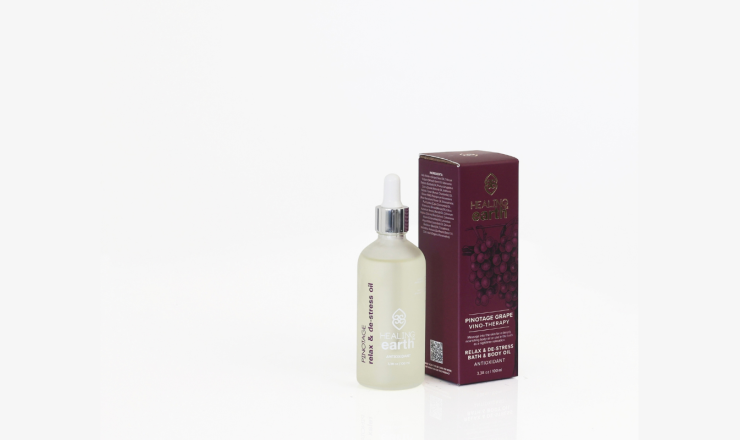
From vineyard to spa: Why Pinotage is more than just a wine grape
In our print feature, Heavenly Scent, we explored the spa experience at Healing Earth Wellness at Laborie Estate. But that experience starts long before you step into the treatment room. It starts in the vineyard. So why Pinotage? What is it about this proudly South African grape that has earned a…
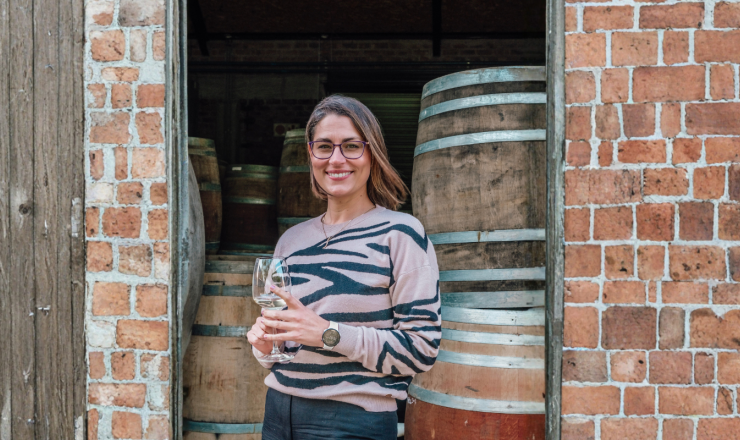
Vyf vrae met Hendrien de Munck
Wynmaak lyk van buite na ’n romantiese beroep, maar agter elke bottel skuil ure se harde werk, besluite en toewyding. Hendrien de Munck, wynmaker van Maia Wines, deel haar perspektief op die realiteit van wynmaak, kreatiwiteit in die kelder en waarom sy glo daar is nog groot potensiaal vir…
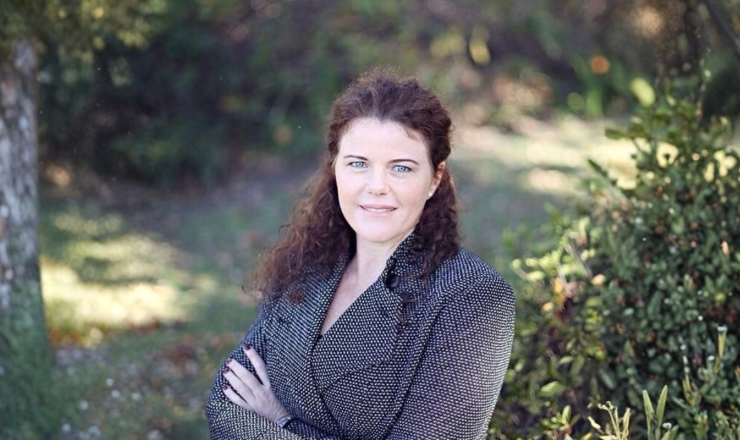
Five questions with Liandra Kotzé
“Consumers haven’t stopped loving wine. They’ve changed how they choose it.” Wine marketers spend a great deal of time asking how to sell more wine. According to Vinimark Brand Portfolio Director Liandra Kotzé, the better question is whether we’re listening closely enough to the people we’re…