
Ireland of the vine
On the Karwyderskraal Road near Botrivier, wine is being made with a single purpose: to conserve the critically endangered Renosterveld that surrounds its vineyards.

· 5 min read
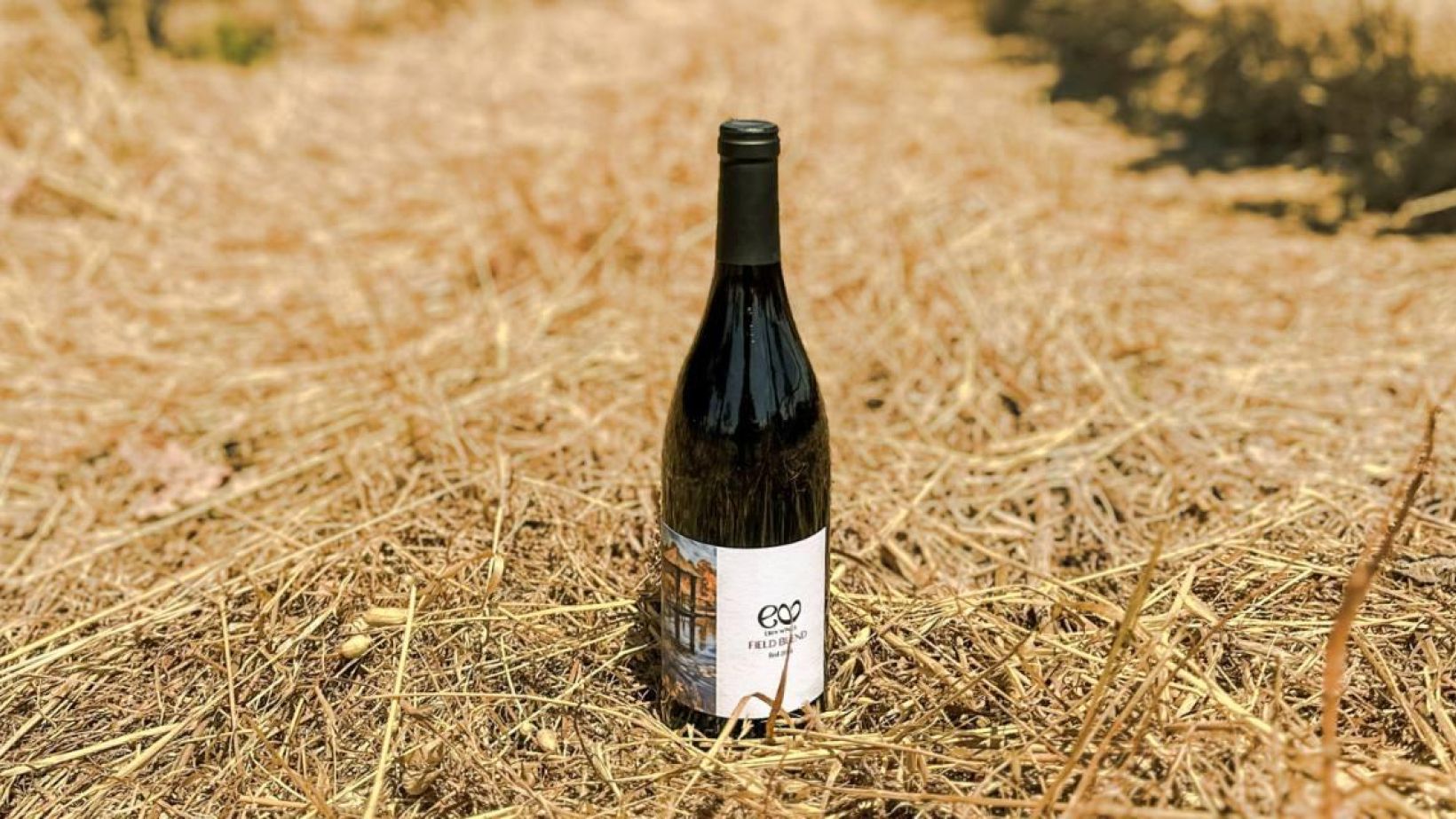
Erin de Vigne comprises 69 ha in the Cape Floral Kingdom, where threatened Renosterveld forms part of a natural corridor between the Kogelberg Biosphere and the interior. When Ted Adam bought the farm in 2009, it was neglected and overrun with invasive alien vegetation, including Port Jackson, Beefwood and pine.
But at the time, Ted didn’t have wine or conservation in mind. “I needed somewhere to store marine construction equipment – cranes, excavators and heavy machinery used to build harbours and breakwaters,” he says. “The farm was practical, accessible, and the price was right. That was the extent of my initial interest. We had no idea what we were stepping into.”
Fate comes knocking
The need for conservation came as a knock on the door. A few months after buying the farm, just when the equipment began to arrive, officials from Cape Nature and the department of environmental affairs, forestry and fisheries paid Ted a visit. “Their message was unambiguous: the farm is an incredibly sensitive environmental asset and can’t simply be used as a storage yard – not for cranes, not for anything.”
What hadn’t been disclosed during the sale was that, beneath all those invasive species, it’s home to a range of near-extinct and critically endangered flora and fauna. “The farm sits in a natural corridor between the Kogelberg Biosphere and interior, and plays a critical role well beyond its boundaries,” he says.
Ten years of negotiations with the authorities followed to establish what the farm could be used for. In the meantime, Ted began clearing alien vegetation by hand and nursing the land back to health. “You couldn’t look at what was there and do nothing,” he says. “Once you understood what the place was, the responsibility was obvious.”
Fifteen years later, there’s still a lot to do, but the improvement has been dramatic. Tens of thousands of alien trees have been removed and replaced with thousands of indigenous trees. “An indigenous forest is now visibly developing on the property,” Ted says. “Where there was silence, there’s now birdsong. The land is healing – slowly and steadily, in the way meaningful restoration always works.”
Natural allies
But restoration isn’t cheap and the project needed a revenue stream. After several options were considered, Ted and his family finally settled on wine production. “The Botriver valley has a growing reputation for quality wine,” he explains. “When it’s made with integrity, wine has a narrative dimension that other forms of farming do not. Every bottle carries the story of this place.”
The condition was that the wine had to be of the highest possible quality. “Conservation as a story only works if the product stands on its own. We’ve been ruthless about that from the start.”
Ted committed himself to learning the craft with help from vineyard consultant Kevin Watt and his Botrivier neighbours, Niels and Alice Verburg. “When my son, Brett, began pulling the Erin Wines concept together, they were his first port of call,” he says. “They know this terroir, climate and idiosyncrasies of fruit grown here.” Their philosophy also appealed to him. “Their farm, Luddite, is a farm-first operation. They believe in the land and patient winemaking, not in forcing a wine into a shape it doesn’t want to take. That’s exactly the approach Erin needed.”
The name Erin de Vigne was coined by Brett – a playful nod to a strong Irish thread running through the Adam family. Erin is the Gaelic name for Ireland, where Ted spent his childhood, and de Vigne translates to “of the vine” in French. “The name invokes equal parts family history, a little irreverence and a quiet statement of purpose,” Ted says. “It stuck immediately. It couldn’t have been anything else.”
Winemaking
The first block was planted in 2021 and harvested in 2024 for their maiden vintage, which was vinified at Luddite. A true field blend of various cultivars farmed and harvested together, the Cluster Block was released in January.
The vines on Erin de Vigne are all farmed organically. “Cape Nature restricts development to about one third of the farm’s 69 ha and the vineyard footprint respects that boundary,” Ted says. “The remaining two thirds are dedicated to conservation in perpetuity.”
The current range from the 2024 vintage comprises a white and red field blend, and two single-barrel wines – Mr T’s Savvy Blanc and Written in the Stars Mourvèdre, each limited to 250 bottles. “The two wines were originally made for the family but proved so popular on their quiet introduction that they’re now reserved exclusively for our trading partners.”
A cellar future
The plan is to convert an existing 500-m2 warehouse on the property into a working cellar. “The dream is functional and purposeful, not grand,” Ted says. “A receiving and crush area, fermentation tanks, a barrel cellar with proper temperature and humidity control, cold storage and bottling space. The footprint scales to a future production of about 15 ha vineyard.”
Having their own cellar facilities will allow winemaking tweaks such as timing, temperature and pace of fermentation during the day without the logistical challenges of being off-site. Bringing the winemaking in-house will also save on winemaking and cellar fees. Eventually, the cellar can become a tasting destination where visitors can stand in the vineyard and see exactly where their wine comes from. “That connection between glass and ground is what this project has always been about,” Ted says. “Our buyers are not just buying wine; they’re participating in the conservation of a rare ecosystem. That connection matters to us and we hope it matters to them too.”
To read more articles in our August issue themed “Champions of Change,” buy a copy here.

More from
People, community and tourism
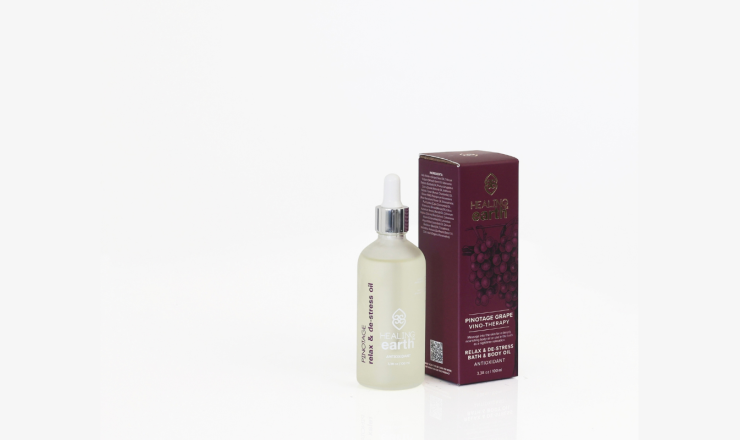
From vineyard to spa: Why Pinotage is more than just a wine grape
In our print feature, Heavenly Scent, we explored the spa experience at Healing Earth Wellness at Laborie Estate. But that experience starts long before you step into the treatment room. It starts in the vineyard. So why Pinotage? What is it about this proudly South African grape that has earned a…
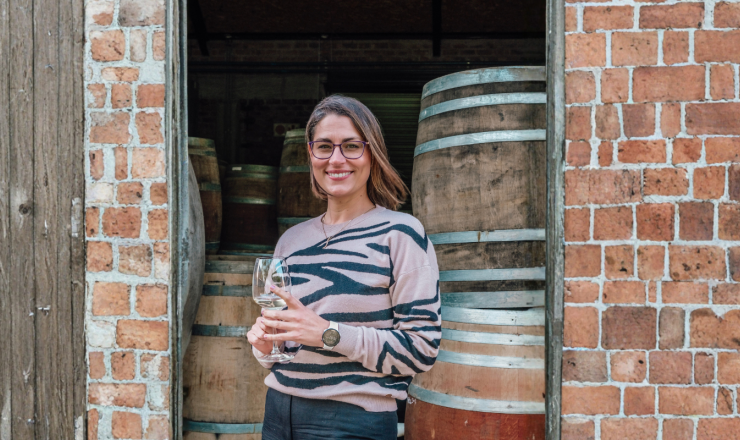
Vyf vrae met Hendrien de Munck
Wynmaak lyk van buite na ’n romantiese beroep, maar agter elke bottel skuil ure se harde werk, besluite en toewyding. Hendrien de Munck, wynmaker van Maia Wines, deel haar perspektief op die realiteit van wynmaak, kreatiwiteit in die kelder en waarom sy glo daar is nog groot potensiaal vir…
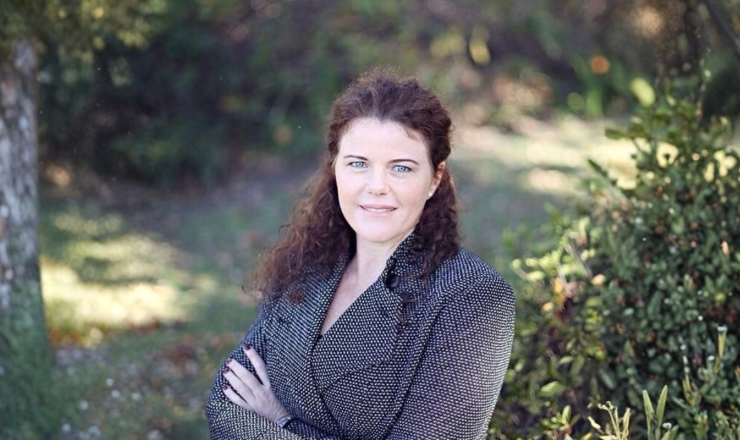
Five questions with Liandra Kotzé
“Consumers haven’t stopped loving wine. They’ve changed how they choose it.” Wine marketers spend a great deal of time asking how to sell more wine. According to Vinimark Brand Portfolio Director Liandra Kotzé, the better question is whether we’re listening closely enough to the people we’re…