
Meet the researcher: Bryan Kariuki Mundia
Wine fermentation is a complex microbial process, with different yeast species interacting with one another throughout fermentation. But what happens when one species is removed from the community?

· 3 min read
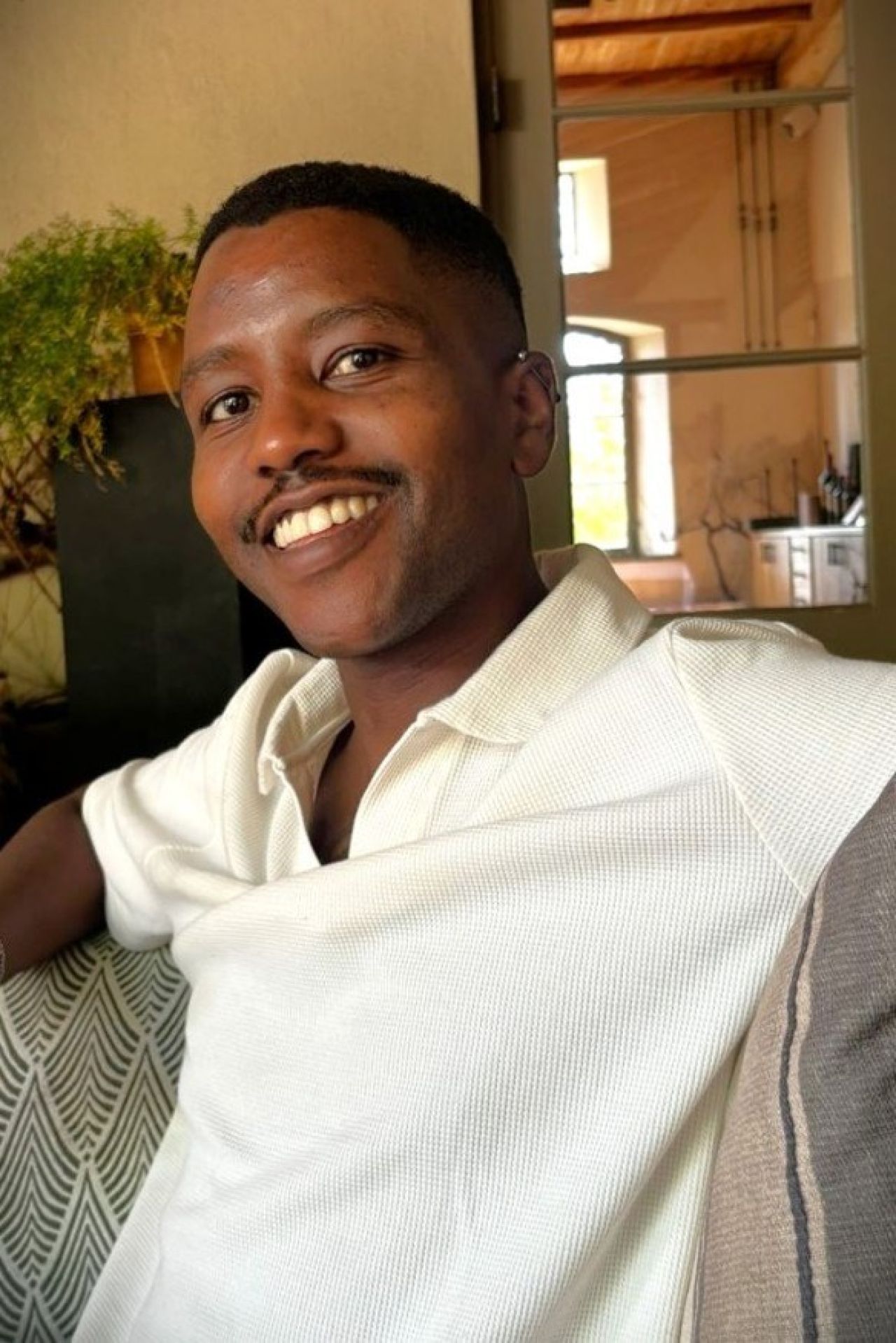
This was the question at the heart of Bryan Kariuki Mundia’s MSc research in Wine Biotechnology. Through a South Africa Wine-funded project, Bryan worked with a controlled community of wine yeasts, systematically removing individual species to investigate how their absence affected the rest of the system.
We spoke to Bryan about his research, the thinking behind his innovative approach, and his plans for taking his scientific career further.
Tell us more about your research project?
My MSc research explored how different yeast species interact during wine fermentation. Instead of studying them in isolation, I worked with a small, controlled community of yeasts and systematically removed individual species to observe how the system responded. This “mono-species dropout” approach helped reveal how yeasts compete, cooperate, and ultimately shape the fermentation process. It was a way of simplifying a complex microbial ecosystem to better understand how diversity influences wine.
How did the project align with industry priorities?
There’s growing interest in using mixed yeast cultures to produce more complex and distinctive wines, but this also comes with uncertainty. My project speaks directly to that challenge. By better understanding how different yeasts behave together, the research supports the industry’s push toward more innovative fermentation strategies while still maintaining control and consistency—something that is always a top priority for winemakers.
How could your research be applied in the industry/actionable outcomes?
One of the key insights from this work is that not all yeast species contribute equally—some play more influential roles in shaping fermentation outcomes. With this understanding, winemakers can be more intentional in how they select and combine yeast species. In practice, this could support the design of more reliable mixed fermentations, help enhance specific flavour profiles, and reduce the risk of fermentation issues. Ultimately, it enables a more informed and strategic approach to fermentation management.
What advice would you give to young scientists who want to make a meaningful impact in the wine industry?
Stay curious but also stay grounded in real-world problems. The wine industry really values research that can be applied, so it’s important to think about how your work connects beyond the lab. Don’t be afraid to ask practical questions or engage with people in the industry. And just as importantly, learn how to communicate and present your ideas clearly. Good science only makes an impact if people can understand and use it.
What is innovative about your research?
The innovation in this research lies in its approach to simplifying a complex system. By removing one species at a time from a defined yeast community, I was able to gain clearer insight into the role each organism plays during fermentation. These interactions are often difficult to untangle in natural systems, so this method provides a more direct way to study them. It opens new possibilities for understanding and designing microbial communities in wine.
Where are you currently working/what are you currently working on?
I’m currently exploring opportunities at the intersection of science and industry, particularly within biotechnology, fermentation, and commercially focused roles. I’m interested in applying my scientific background in more dynamic, real-world settings, whether through innovation, product development, or working closely with clients.
At the same time, I’m actively considering pursuing a PhD within the field of Biotechnology, potentially with a continued focus on wine and fermentation systems. I am particularly interested in research that bridges fundamental microbial ecology with practical industry applications, and I would be excited to continue building on this within a doctoral project. Alongside this, I am also developing ideas within the fermentation space, with a focus on functional and forward-thinking beverage concepts.

More from
People, community and tourism
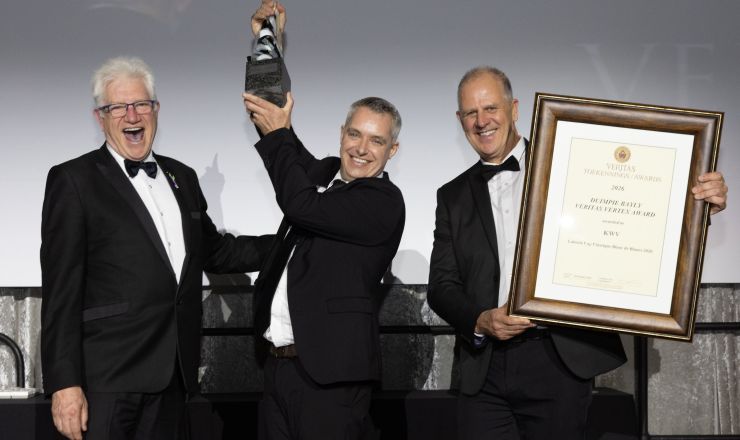
KWV laat die vonkelwyn praat
Drie jaar agtereenvolgens die hoogste eer, 12 dubbelgoue medaljes en ’n aand waarop Suid-Afrikaanse wyn behoorlik kon feesvier.
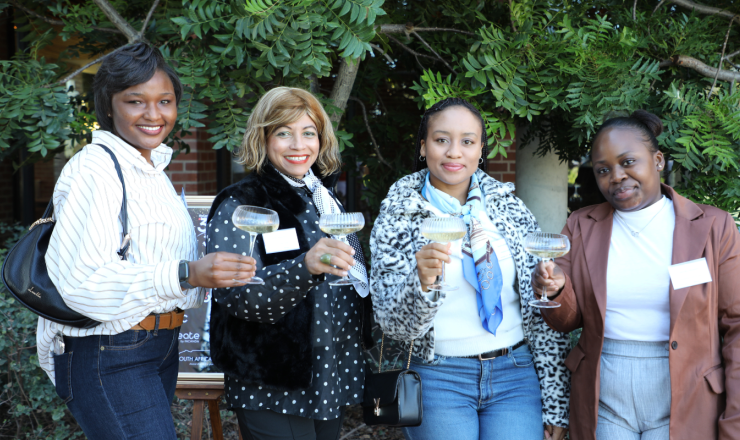
Building a more inclusive South African wine industry
South Africa's wine industry has a 367-year history, but its story continues to evolve as a new generation of entrepreneurs enters the sector. Karin Kleinbooi, Executive Manager: Inclusion and Development at South Africa Wine, says the growth of black-owned wine businesses is an important part of…
Woordfees 2026 puts Stellenbosch wine in the spotlight
Supplement your love of authentic South African stories with one of the most exciting opportunities to learn about wine at Woordfees in Stellenbosch, from 3 to 11 October.