
The Portrait of a South African Winemaker
The portrait of the winemaker as a mysterious creature, hidden away in the cellar and never sharing passions or secrets, is being repainted.

· 6 min read
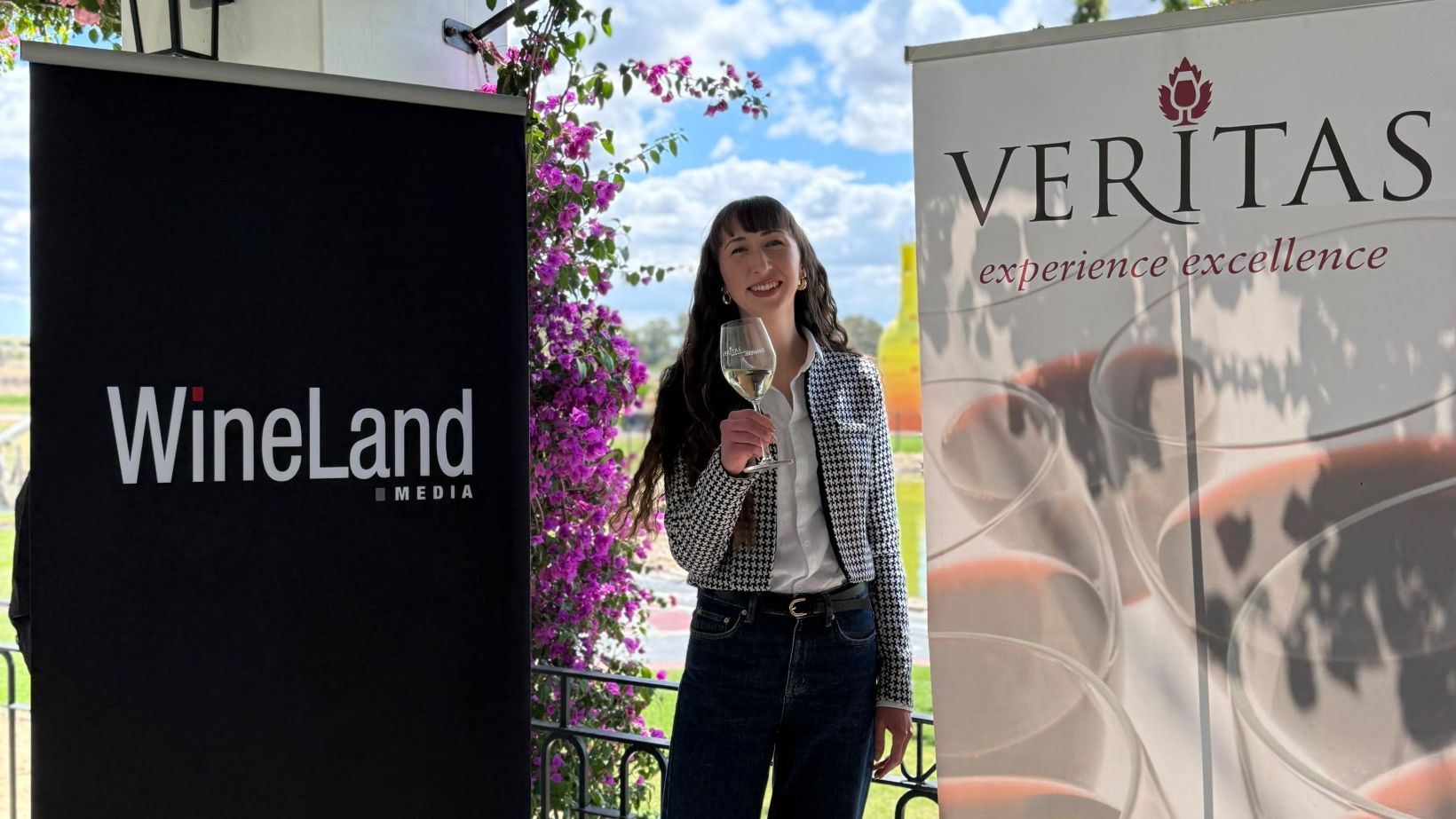
In James Joyce's A Portrait of the Artist as a Young Man, Stephen Dedalus resolves to express himself "as freely as I can and as wholly as I can". Joyce's hero refuses to be just one thing. That same many-sided energy is increasingly being asked of the modern South African winemaker, who has to adopt different faces for different places. The more versatile they are in talent, interest, passion and storytelling, the more likely they are to be remembered.
The portrait of the winemaker as a mysterious creature, hidden away in the cellar and never sharing passions or secrets, is being repainted. Today's consumer knows about skin contact and maceration. They want to talk about the blending process and which slopes the vines grow on. They want the story behind the wine and the label, and to know why this person is making this particular wine, whether out of pure passion or a love of working with grapes from their home soil. People want to know what makes them different, and because the room is crowded, the answer matters.
A single day shows just how far the canvas has stretched. A winemaker’s day starts at 5 am with the vineyard team, followed by a 6 am harvest briefing with the cellar crew, and weighing of incoming grapes at 7 am. A 9 am call with the sales team comes next, then a midday content shoot with marketing, and finally an evening showcase where the tasting notes must be explained with flair. Sometimes it seems like they do everything. A rare few do even more. Artists, educators, public speakers, environmental advocates: the winemaker's identity and passions, it turns out, can extend well beyond the technical act, and those other identities may be what sets one apart from the pack. These three portraits show how.
As a face of a brand
In the age of social media, storytelling starts early. Aspiring winemakers are already documenting their journeys from their first harvest internship, and social media accounts full of grape selfies and stained hands have multiplied. Junelle Rossouw, better known as @die_wynmeisie, is a trailblazer in this space. Her account began as a fun diary and has now grown into very popular educational content that aims to make wine production more accessible.
The question put to her was a blunt one: Will the next generation of winemakers have to be celebrities and the face of the brand from the get-go? Should aspiring winemakers already be documenting their journeys, practising their public speaking and finding their best pose?
“Yes, I think that, in the era we’re in now, where social media is becoming increasingly important for brands, people want to get to know the faces behind the label and feel that they can relate to them. That’s why it’s becoming important for someone to be able to feature as a face of the brand from the beginning of their career.” She explains that you have to be comfortable speaking in front of people so that you can sell your wine. “That’s part of the career you’ve chosen, so it’s very important to be well-spoken.”
In her view, if it is something you enjoy, documenting your journey can show how far you've come and double as good practice! After all, nobody can tell the story behind the bottle better than the person who made it.
As an artist
Then there is the winemaker who follows none of the traditional rules. Pieter Walser, owner of BLANKbottle Wines, and often called an enigma of the industry, works with whatever he can find, and that applies to more than just the grapes his wines are made from. His art is also on his own hand-made labels, where he cuts, etches and paints, and sometimes even takes inspiration from his children's drawings. No details of the wine are revealed on the bottle. Only Walser’s art and a prompt to make one’s own conclusion. It also doesn’t end with the art. Each bottle links via a QR code to his website, where long-form video content or sometimes just a short voice note explains the story behind the wine, which is always an interesting one. A multi-faceted user experience created by a multi-talented winemaker.
It all started with a budget. "Since the beginning of BLANKbottle, I have been designing my own labels," he says. "At first, it was because there was absolutely no way I could afford designers." Necessity became craft. These days, he says, "I lie on a couch with woodcuts, drawings and charcoal and design all my labels myself."
What happens when a wine extends in several layers of art beyond the glass? A label like Walser's makes an impression before the consumer knows what they’re drinking, and in a competitive environment, that first impression may be the whole conversation.
As a conservationist
In the traditional picture, a winemaker works hand in hand with a viticulturist, who cares for the vineyard and makes sure it delivers grapes of optimal quality. But sometimes the portrait extends beyond the immediate environment.
Being a conservationist doesn't necessarily mean personally managing soil, biodiversity or the vineyard ecosystem. It can also mean using your position and platform to actively advance conservation. The boundaries between winemaker, viticulturist and conservationist are rarely as neat as they look. Some winemakers develop a personal interest in the ecological systems around their production, and in rare cases conservation becomes part of the purpose of the wine business itself. That is why it could become a defining skill for the winemakers of tomorrow. Wine is an agricultural product, and its character is tied to the land and climate. A winemaker who understands those systems can make better decisions, speak with real authority to a curious consumer, and influence the growers they buy from.
Painted Wolf Wines’ Jeremy Borg offers an example. Not only was the brand created out of his passion for conservation, but he also deliberately works with growers who share his love “for conservation and the environment” and who are either organic or practise sustainable viticulture. Borg created a wine brand so that he could use his professional skills for conservation. Today, his brand has donated over R4.5 million to African wild dog conservation, a project close to his and his wife’s hearts.
"A mission of ours is to promote long-term vineyard sustainability," he says. Here the conservation happens through commercial choices, such as who to buy from and what to stand for.
Many faces, one lesson
Joyce's Stephen finds his voice by refusing to be limited, and the winemaker of the future may have to do the same. Not every winemaker needs to be a storyteller, artist and conservationist all at once, but the cellar door is no longer the edge of the job. The winemaker who brings more than technical skill to a crowded room is the one people remember. The canvas is open; the question is which portrait each winemaker will choose to paint.
Jo Muller was runner-up in the 2026 New SA Wine Writer of the Year.

More from
People, community and tourism
Who will drink South African wine tomorrow?
Tomorrow’s wine drinker is already here, standing at the braai with a can in one hand and a phone in the other. South African wine still has time to join the occasion, although it may need to loosen its collar first.
Ice in the Chenin and other South African wine crimes
There is ice in the Chenin Blanc, Cap Classique in an ordinary wine glass and a bowl of curry waiting beside a bottle of something pink. By old wine standards, the afternoon is a small crime scene.
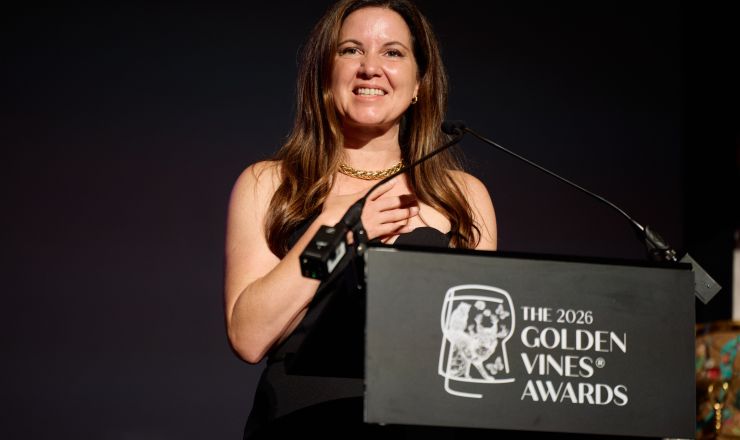
Mullineux & Leeu takes coveted World's Best Rising Star award
Mullineux & Leeu Family Wines has been named World's Best Rising Star at the Golden Vines 2026 Awards Gala in London on 8 November, making it the second year in a row that the Swartland-Franschhoek team has taken the title, following its first win in 2025.