
Ice in the Chenin and other South African wine crimes
There is ice in the Chenin Blanc, Cap Classique in an ordinary wine glass and a bowl of curry waiting beside a bottle of something pink. By old wine standards, the afternoon is a small crime scene.

· 3 min read
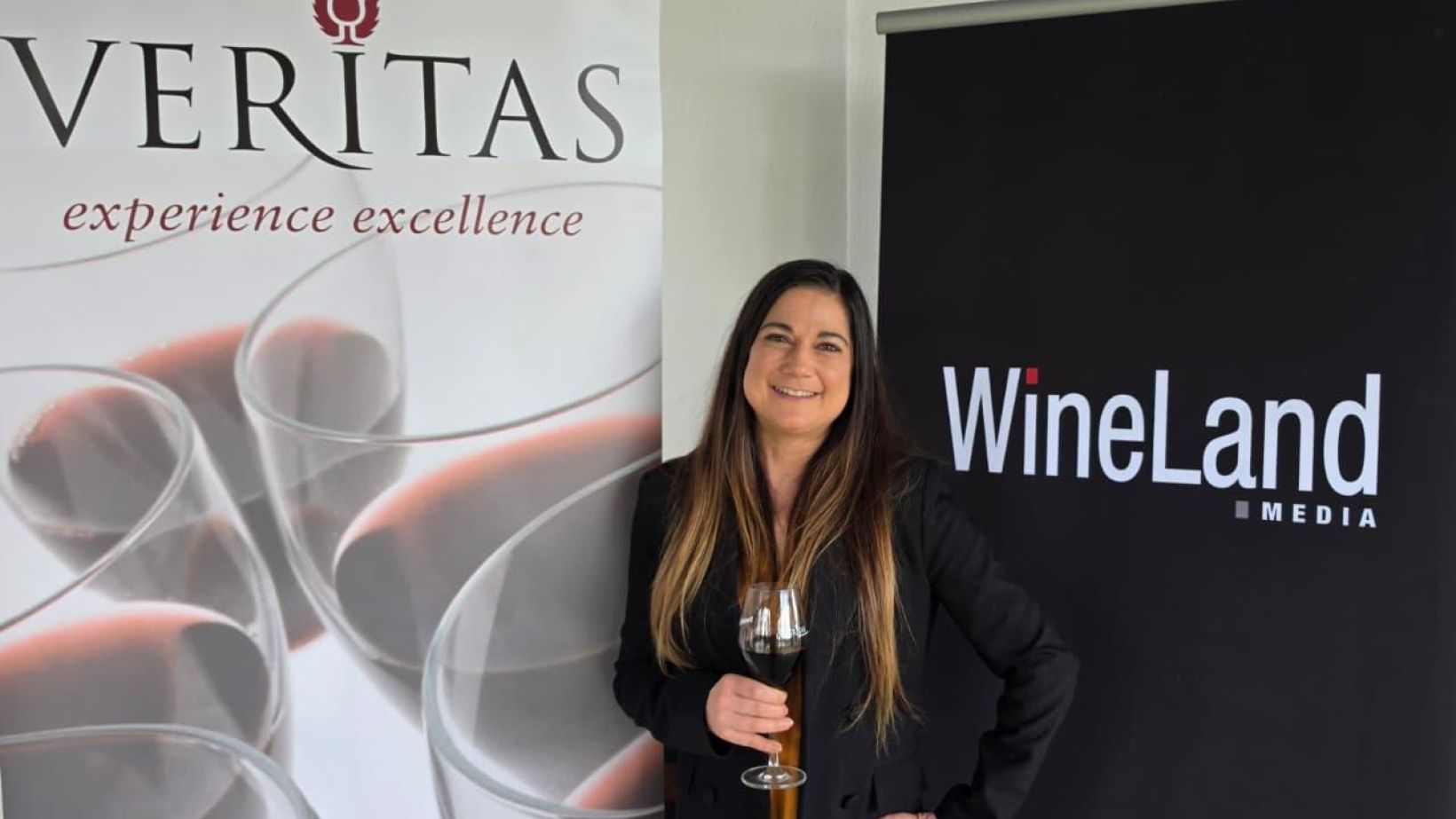
Somewhere in South Africa, a bottle of Cinsault is sharing fridge space with the tomato sauce. There is ice in the Chenin Blanc, Cap Classique in an ordinary wine glass and a bowl of curry waiting beside a bottle of something pink. By old wine standards, the afternoon is a small crime scene.
Nobody seems worried.
That includes Mpho Magadze, the Soweto content creator who spent time at Delheim during the 2025 harvest and came away with a straightforward view of wine etiquette. “If you want to put ice in your wine, it’s about what you prefer,” he says.
He has a point. Ice melts and dilution changes the balance of a wine, so a matured Chardonnay deserves more consideration than a casual glass of rosé beside the pool. Still, on a summer afternoon in Paarl, two blocks of ice can be the difference between enjoying the wine and abandoning it next to the potato salad.
Temperature is one rule worth understanding, especially when it comes to red wine. Cape Wine Master and Woolworths product developer René Groenewald puts it plainly: “Serve the cheese at room temperature and the red wines below room temperature for ideal texture and aromatics.”
A light Cinsault, Grenache or Pinot Noir can handle a chill, while a structured Cabernet Sauvignon needs only enough time in the fridge to lose its heat. When red wine is too warm, the alcohol tends to dominate. When white wine is too cold, its aroma retreats. Neither problem is fixed by pretending a South African kitchen in January has the climate of a European cellar.
Glassware needs common sense. The shape of a glass does influence aroma and flavour. A wider bowl gives wine room to open, and Cap Classique often shows more character in a wine glass than in a narrow flute. But good wine does not require a cupboard of expensive crystal. A clean glass matters more than a complicated matching exercise.
Food pairing becomes easier once the colour of the wine stops calling the shots. Groenewald has paired soft goat’s cheese with a Syrah and Grenache blend, challenging the assumption that white wine must always come first. A wooded Chenin Blanc can hold its own alongside roast chicken or steak, while a fresh red can pair well with braaied snoek.
What matters is weight, acidity, tannin and what else has landed on the plate. A creamy sauce changes the conversation. Chilli can make a strong wine taste hotter. A little sweetness can settle the heat of a curry. The person eating still gets the final say.
Rosé has also outgrown the idea that it belongs only to summer. Delheim’s former winemaker, Nongcebo Langa (now winemaker at Hartenberg), explains Pinotage’s range: “You can pick fruit early for fresh, aromatic rosé and then still get serious depth.” The same grape can produce a crisp pink wine or a structured red, depending on when it is picked.
Elton Damon, head sommelier at La Petite Colombe and winner of the 2026 Eat Out Wine Service Award, has little time for wine calendars. “I don’t believe in rigid seasonal rules,” he says. A generous white can suit winter, a chilled red can suit summer and Cap Classique does not need to wait for somebody’s birthday.
This was the winning blog article in the 2026 New SA Wine Writer of the Year competition. Read Janine's winning long-form article here.

More from
People, community and tourism
The Portrait of a South African Winemaker
In James Joyce's A Portrait of the Artist as a Young Man, Stephen Dedalus resolves to express himself "as freely as I can and as wholly as I can". Joyce's hero refuses to be just one thing. That same many-sided energy is increasingly being asked of the modern South African winemaker, who has to adopt different faces for different places.

Who will drink South African wine tomorrow?
Tomorrow’s wine drinker is already here, standing at the braai with a can in one hand and a phone in the other. South African wine still has time to join the occasion, although it may need to loosen its collar first.
Mullineux & Leeu takes coveted World's Best Rising Star award
Mullineux & Leeu Family Wines has been named World's Best Rising Star at the Golden Vines 2026 Awards Gala in London on 8 November, making it the second year in a row that the Swartland-Franschhoek team has taken the title, following its first win in 2025.