
Who will drink South African wine tomorrow?
Tomorrow’s wine drinker is already here, standing at the braai with a can in one hand and a phone in the other. South African wine still has time to join the occasion, although it may need to loosen its collar first.

· 6 min read
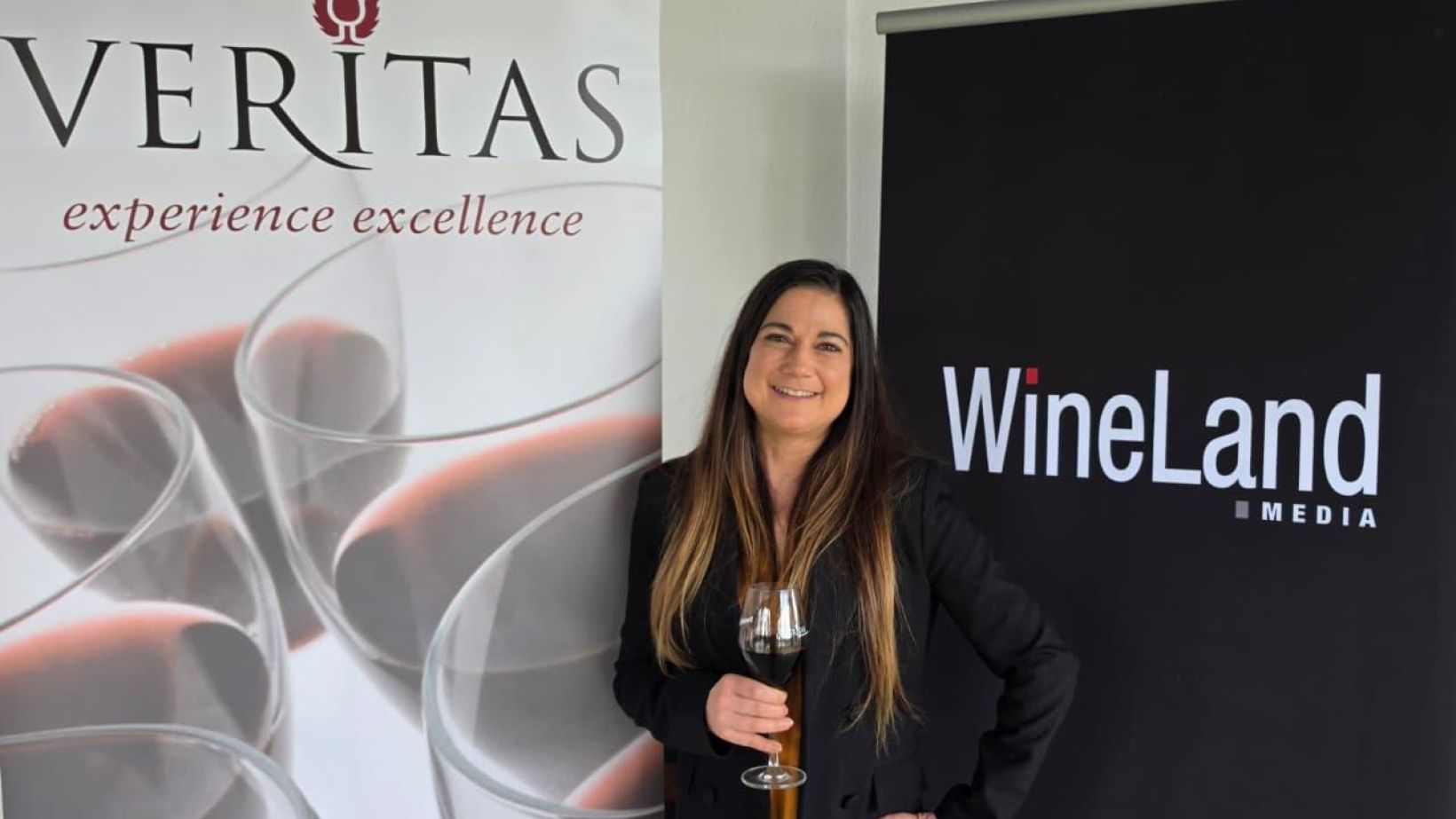
At a South African braai, the cooler box tells its own story. The beers are easy to spot, the premixed cans are tucked into the ice and somebody has brought tequila with enough limes to suggest confidence. Wine is usually standing on the table beside the older guests, looking well behaved. Julia Joubert, who’s Gen Z, the daughter of a winemaker and a cofounder of the LekkerDoos wine club, has noticed exactly this among her friends. “Gen Z does not start their relationship with wine through terroir. They start through moments,” she wrote in WineLand.
Joubert is right about the way drinking habits take shape. A cold can is simple to carry and reliably tastes the same every time. Wine can arrive with a vintage, a cultivar, a region, an award sticker, and a paragraph about decomposed granite before anyone knows whether it will suit the pizza. By then, the can is open. Even excellent wine can lose here, long before the cork is pulled.
This is where marketing earns its keep. FirstPour, a drinks marketing agency working across several wine markets, describes its purpose as creating “excitement and curiosity about drinks brands through digital storytelling”. On a phone, curiosity seldom begins with a bottle standing alone. It begins with the hands pouring it, the food beside it, the face tasting it or the slightly chaotic dinner that looks familiar. Wine needs something to do. There will be time for vineyard altitude and barrels once somebody has stopped scrolling.
Nobody needs a dancing winemaker or a painfully youthful caption. Young people can smell forced marketing as quickly as cork taint. They are interested in farming, provenance and the people behind a bottle, yet prefer to discover those details in their own time. The story sits more comfortably after the first glass has been poured, shared like conversation around a table, with room for questions and no fear of giving the wrong answer.
Then comes the shelf. A R200 bottle can feel like a blind date requiring a corkscrew, especially when a cheaper can offers no surprises and no leftovers. Many labels provide plenty of information while missing what a hesitant buyer wants to know. Is the wine dry? Light enough for a hot afternoon? Should it go into the fridge? Will it suit curry, snoek on the braai or a toasted braaibroodjie? Useful answers take the nerves out of buying, rather than expecting a drinker to know all the correct answers in advance.
The words used once the bottle is open matter too. When Ntsiki Biyela began studying winemaking, she did not share all the aroma references her classmates knew. She picked up apples in a supermarket to learn their smell, while truffle first brought chocolate to mind. When she later smelled the real thing, it reminded her of amasi, the fermented milk of her childhood, and the aroma suddenly belonged to a memory instead of a textbook.
South Africa borrows much of its wine vocabulary from elsewhere. Cassis and truffle have their place, alongside guava, rooibos, fynbos, amasi and warm soil after a light rain shower. A tasting note is useful when it gives somebody a way into the glass. Biyela’s advice leaves little room for fuss: “Don’t overcomplicate it, just enjoy your food and enjoy your glass of wine.”
Food is often the easiest invitation of all. Lindile Ndzaba founded Khayelitsha’s Finest Wines to make quality wine accessible within his community. The labels carry a map of Khayelitsha and his tastings pair wine with tripe and umleqwa ne dombolo. “It’s important to explain that cheese and charcuterie isn’t the only way to enjoy good wine,” Ndzaba says. There is, of course, nothing wrong with a lovely piece of cheese, but dombolo deserves its place at the wine table too.
Ndzaba wants people in his community to feel that wine is for them too. Questions come more easily when the room, the food, and the person pouring the wine feel familiar. That comfort is shaped by who owns the brand, who works behind the counter, who appears in the campaign, and who is trusted to tell the story. A polished picture of diversity cannot replace a warm tasting, especially when the tasting still feels like an examination with stemware.
The next generation is also drinking with one eye on tomorrow morning. IWSR reported that 75% of Gen Z consumers of no- and low alcohol products had moderated their drinking during the previous six months. Steenberg marketing manager Carryn Wiltshire puts it quite neatly: “It’s not about drinking more, it’s about drinking better.” For some, better will mean a carefully made wine, one glass with dinner and water alongside it. For others, it may mean drinking only on occasions that feel worth it.
The word better needs watching, though. If it always points towards the expensive end of the shelf, it becomes another way to keep people out. A well-made, fairly priced bottle shared at a birthday dinner may begin a longer relationship with wine than an impressive bottle opened before the drinker is ready for it. Smaller formats, interesting wines by the glass and helpful staff can make that first choice feel less like a financial gamble.
Tomorrow’s South African wine drinker may meet wine beside a DJ in Johannesburg, over curry in Durban, at a tasting in Khayelitsha or through a video watched in bed after midnight. The old farm tasting will still have its place, because walking through a vineyard and meeting a winemaker remain special experiences. There simply needs to be more than one front door.
Back at the braai, there is room in the cooler box. The bottle that earns it will be good, fairly priced and easy to place in the afternoon unfolding around it. If the first glass is poured without ceremony, enjoyed with familiar food and offered without judgement, curiosity will follow in its own time. The story of the vineyard can open slowly, much like the wine itself. Terroir can wait until the second glass, at least.
This was the winning long-form article in the 2026 New SA Wine Writer of the Year competition. Janine's winning blog article, Ice in the Chenin and other South African wine crimes, can be read here.

More from
People, community and tourism
The Portrait of a South African Winemaker
In James Joyce's A Portrait of the Artist as a Young Man, Stephen Dedalus resolves to express himself "as freely as I can and as wholly as I can". Joyce's hero refuses to be just one thing. That same many-sided energy is increasingly being asked of the modern South African winemaker, who has to adopt different faces for different places.

Ice in the Chenin and other South African wine crimes
There is ice in the Chenin Blanc, Cap Classique in an ordinary wine glass and a bowl of curry waiting beside a bottle of something pink. By old wine standards, the afternoon is a small crime scene.
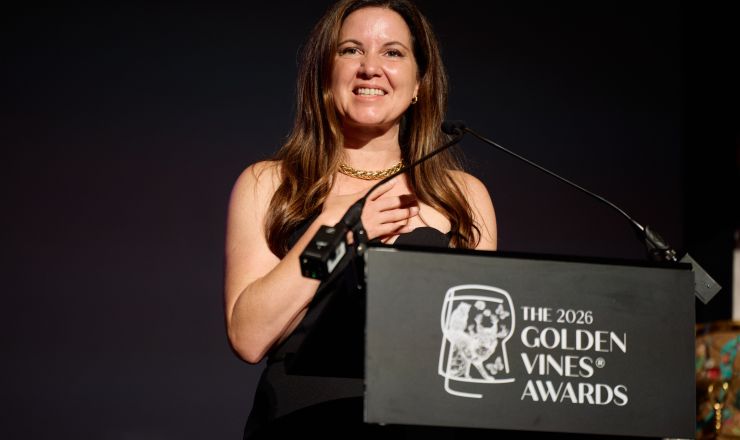
Mullineux & Leeu takes coveted World's Best Rising Star award
Mullineux & Leeu Family Wines has been named World's Best Rising Star at the Golden Vines 2026 Awards Gala in London on 8 November, making it the second year in a row that the Swartland-Franschhoek team has taken the title, following its first win in 2025.