
Tim Atkin Q&A: “SA wine’s prospects have never been better …”
Tim Atkin (MW) counts SA wines “among the world’s elite”. We ask him to elaborate on some of the highs (and lows) of his 2022 report.
· 9 min read
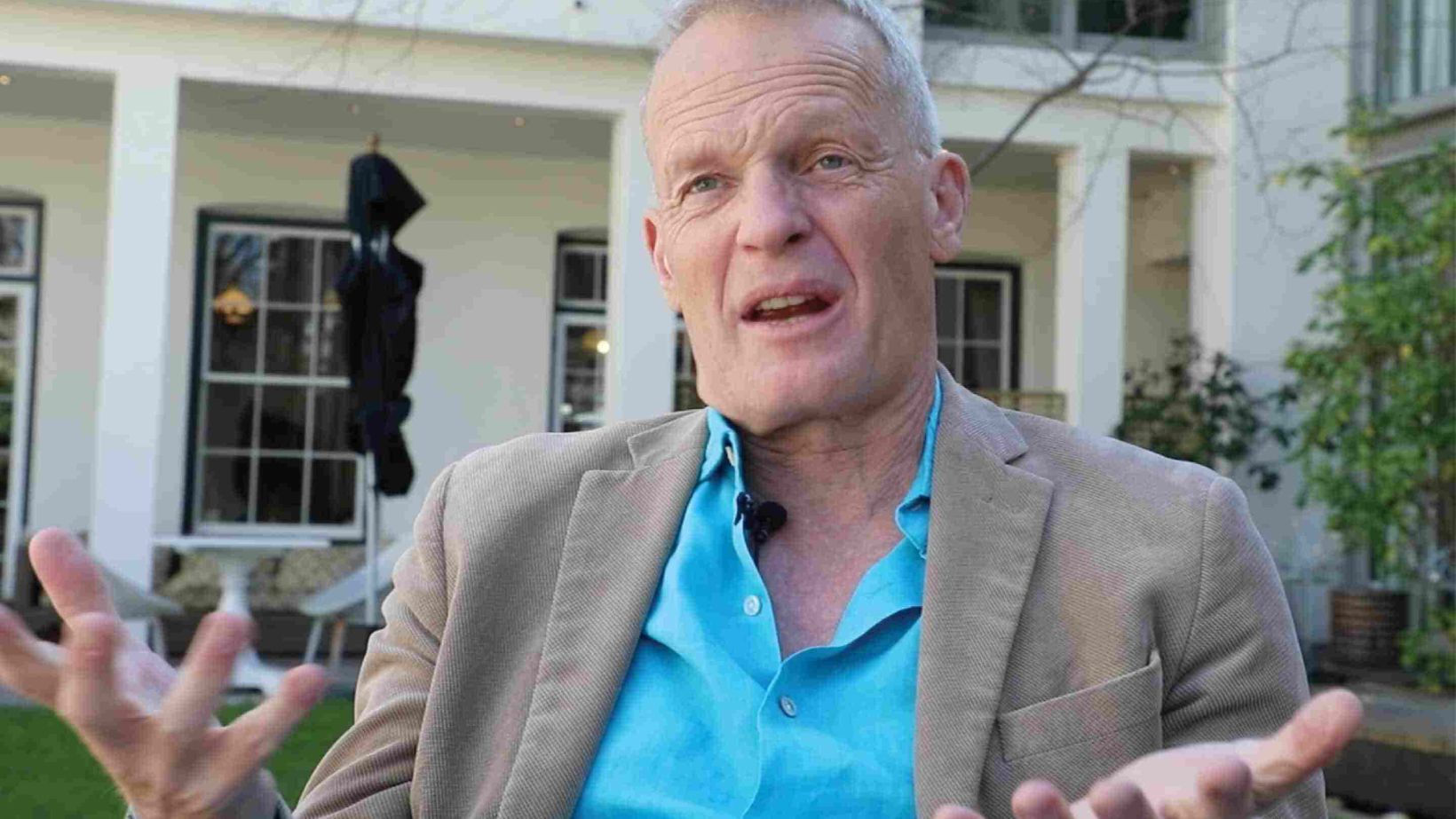
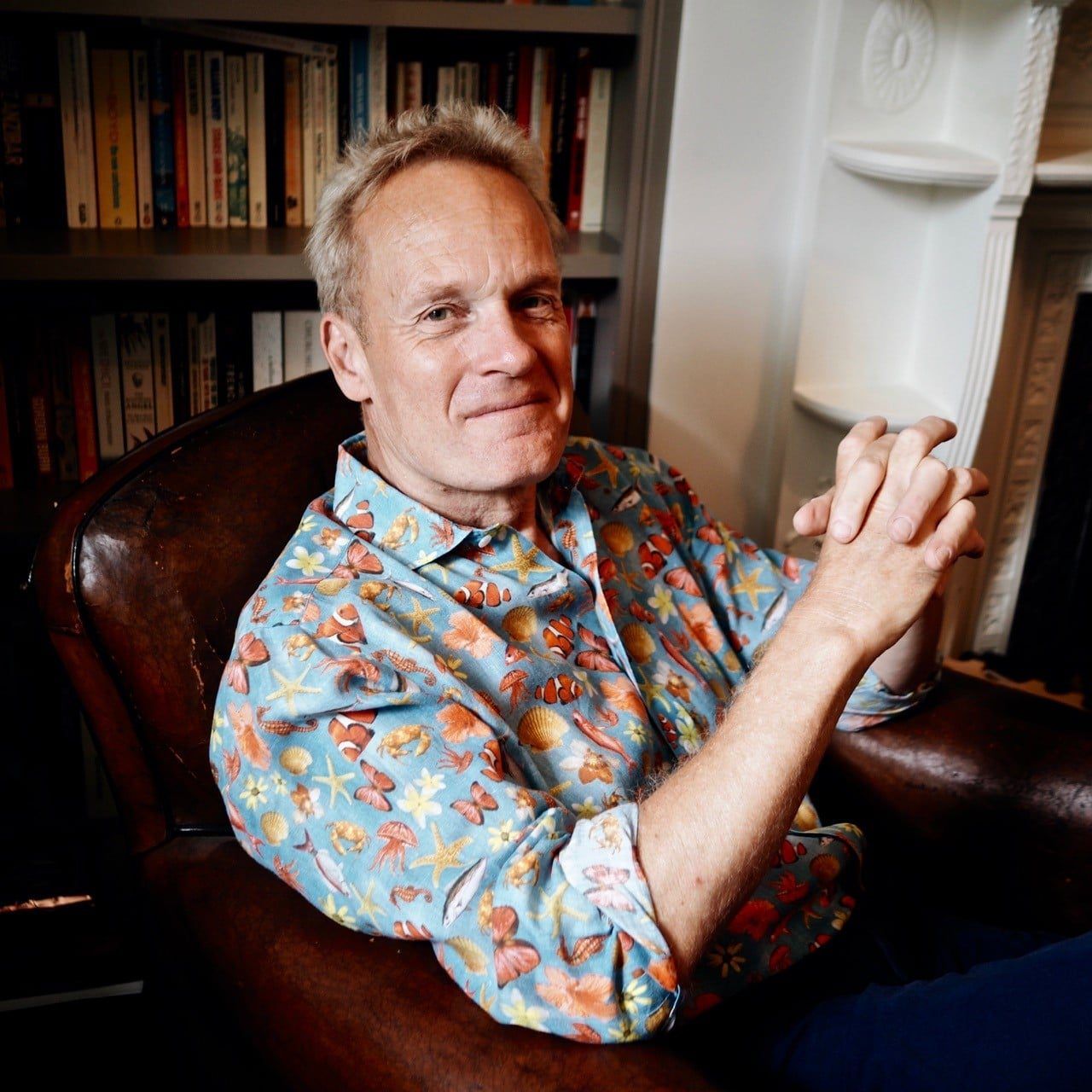
British journalist and Master of Wine Tim Atkin has just released his 10th South African Special Report, counting SA wines “among the world’s elite”. We asked him to elaborate on some of the highs (and lows) of his report.
Q: There seems to be a bit of a revived optimism among SA’s wine producers post-Covid. Did you pick up on this during your visit?
TA: South Africans are fighters, and good at dealing with adversity. The general sentiment appears to be surprisingly optimistic. Some problems still persist, like cashflow, bottling, shipping, etcetera, and I’m sure there are still producers sitting with stock in the cellar.
However, I was pleasantly surprised by the number of new wine projects I’ve seen. During Covid, the talk was all doom and gloom, with Vinpro predicting terrible times ahead for the industry. Instead, we’ve seen a handful of mergers and acquisitions, and as far as I know, no one has actually gone bust.
It’s been a lot more positive and optimistic than what I expected, and that’s great! Having said that, I don’t think the industry’s out of the woods just yet.
Q: Did you notice a more focused approach in the vineyard?
TA: Yeah, I think so. Generally, South Africa is losing vineyards. Some of it is old, good vineyards that aren’t producing enough grapes. Unprofitable vineyards, and vineyards requiring a lot of irrigation will be the first to go as water becomes an increasingly scarce resource.
South Africa is still making a lot of wine at the bottom end, much of it shipped off in bulk to supermarkets. I don’t think there’s much of a future in those, unless you have huge yields and massive economies of scale.
The bottom-end might rise up a bit, and the top-end will become a lot more vineyard-focused. Maybe that’s a positive sprouting from the pandemic. Producers are saying: ‘you know what, let’s focus on what we do best’. And I think that’s exactly what South Africa does best.
The top-end wines are still undervalued, and the next stage would be to try and increase the price a bit. Ultimately, it’s for the good of the industry. I will allow the industry to reinvest in its people working throughout the value-chain. The industry needs to become profitable, and that’s still an underlying problem for most South African producers.
Q: Will we ever shake the ‘cheap and cheerful’ tag?
TA: (Laughs) You know, part of the problem is that South Africa does cheap and cheerful particularly well. Have you ever tasted cheap and cheerful Bordeaux wines? It’s disgusting. Cheap and cheerful Californian wines are awful, and often sweet.
In the case of South Africa, cheap and cheerful, whether it’s a red blend or Sauvignon Blanc, is generally okay, and you might find it to be … well … drinkable.
Q: Price remains a problem. How do we get consumers to pay more for wines?
TA: There are two ways to answer this question. Firstly, it’s worth bearing in mind, for many people in South Africa, R100 is a lot of money. There are many who can’t afford to pay that amount for wine. But I do think the wines are worth it. And I think a degree of external recognition from myself, other journalists, and wine competitions, as well as the praise from importers and critics, will help move the category upwards.
The thing is, it’s happening slowly, and it’s frustrating if you love South African wine as much as I do. Perhaps we should just let the process take its natural course? The quality message is getting out there.
During a tasting up in Johannesburg of the top-rated wines from my report, it was incredible to witness the crowd – very different from the Western Cape. The crowd was predominantly people of colour, an emerging black middle class new to wine. It’s important the majority of the country’s population start embracing wine more. South Africa also has a young population.
If you can get potential young wine drinkers, professionals in their 20s or 30s to spend more on wine and take it a bit more seriously, I think the tide will start turning. It’s just frustrating that it’s not happening as fast as we would like it to.
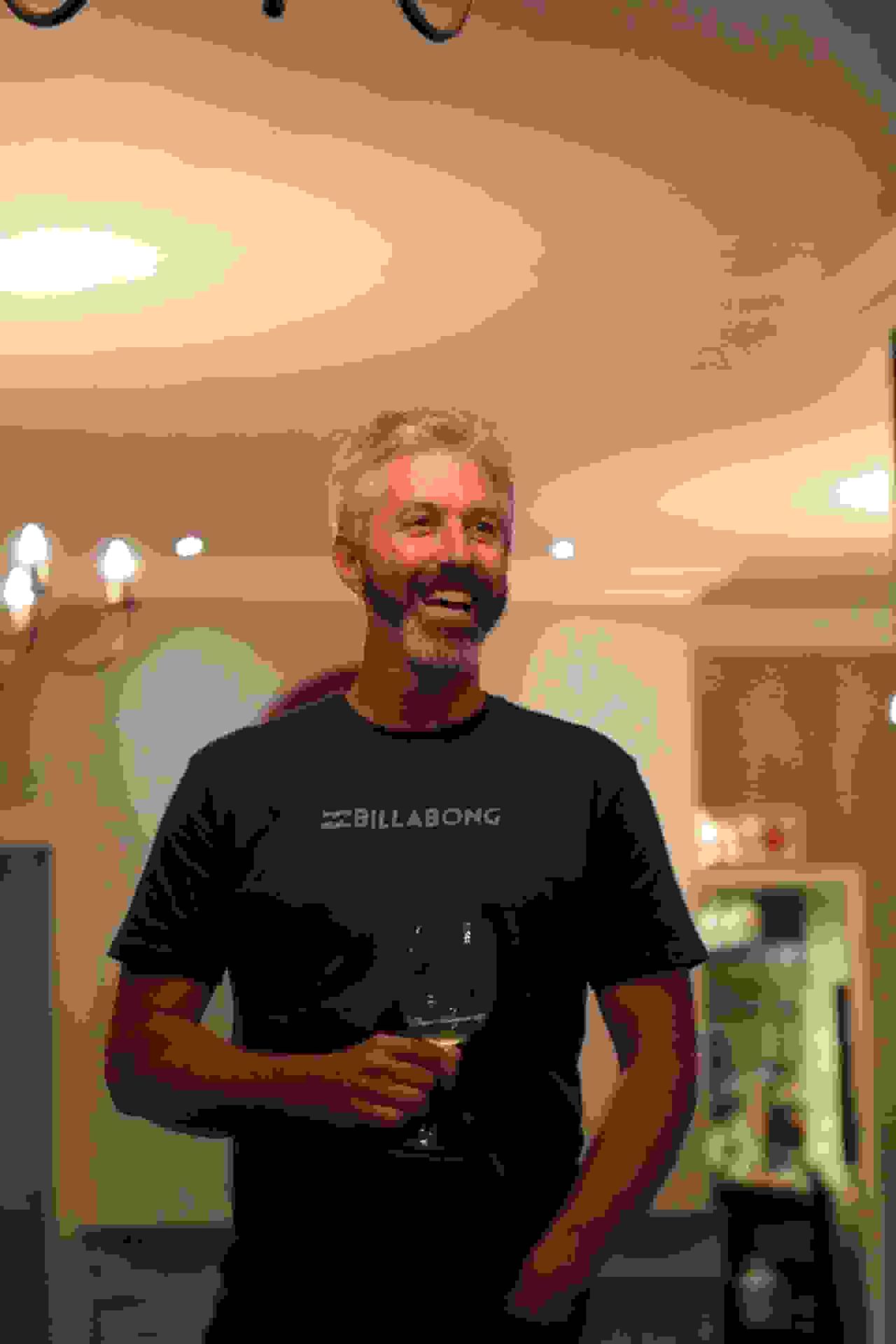
Q: Duncan Savage was named your ‘Winemaker of the Year’ and deservedly so. What prompted you to name him?
TA: Duncan has shown amazing consistency throughout his wines. I thought they were all really good. I also like what he’s doing in Salt River, and I felt like he’s started to come of age. Even though it’s not particularly related to his winemaking, I really appreciate the role he’s played in transformation. It’s not something he shouts about.
He’s groomed the likes of Banele Vakele and Kiara Scott, two of the most exciting young black winemakers in the country, and they’ve both benefitted from Duncan’s mentorship. Duncan likes taking risks and he’s edgy and fun.
I start off my report with his quote: “If wine’s not fun, then why do it?” So much of Duncan is bringing fun to the wine industry. He’s loved by many, and I thought it was time to honour his consistent excellence. I also think it’s good to spread the love a little, and not just give it to the likes of the Mullineuxs, Eben Sadie or Chris Alheit every year.
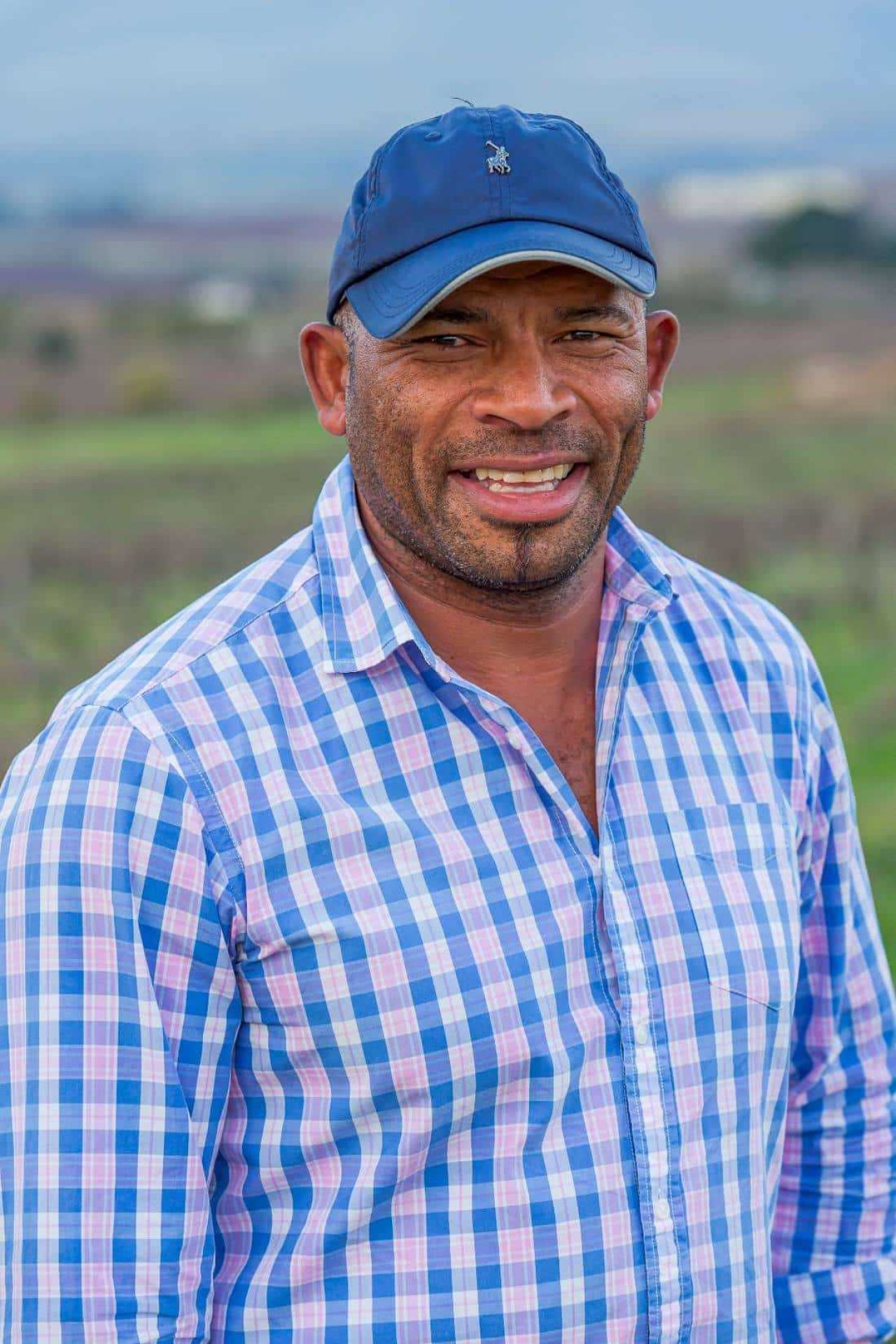
Q: And what about Sheldon van Wyk as your ‘Viticulturist of the Year’?
TA: This year, I wanted to give it to someone who operates at the sharp end. There are some good consulting viticulturists, but I think what Sheldon has done is incredible.
He’s been involved in the planting of so many of SA’s great vineyards established over the last ten to fifteen years, working alongside the likes of Rosa Kruger. I thought it fitting to honour him and his team, not only for pruning and looking after older vineyards, but also for establishing newer vineyards.
Look at the recent (and ambitious) Reyneke and Vinimark vineyard project in the Polkadraai Hills. I was amazed by the layout, the contours, the way they’ve thought about water management. I like Sheldon’s approach to people, and the way he’s built his team.
Q: Are SA producers adapting to climate change?
TA: Not fast enough, and that’s true for everyone. I don’t think anyone is taking it as seriously as they should. We see it, we read about it, but we don’t truly believe it will affect us in a way that it could.
Even if we consider the scary projections, we’re unable to picture ourselves living in those conditions 20 years from now. We need to do more to reduce our carbon footprint.
As mentioned in my report, there are things the wine industry can do better. Whether it’s regenerative agriculture, planting vines on south-facing slopes, protecting bunches better or using water in a more considerate way. In many cases it’s the small things that really add up as opposed to the enormous gestures.
We need to start thinking about higher and cooler sites, perhaps even look further east or KwaZulu-Natal for areas with summer rainfall, which could be useful. Overall, I think we need a bit more urgency and more belief in what we know to be true.
Q: In your report you mention that the 2021 vintage ranks as one of the Cape’s “best-ever to date”. Was the vintage a true reflection of our quality?
TA: Absolutely. The 2021 white wines were light and fresh with very low pH levels and low sugar to alcohol conversions. They’re fresher than a lot of the European wines given the heatwaves we’ve experienced of late.
John Seccombe [Thorne & Daughters] summed up the 2021 vintage perfectly. He said he liked the “tucked in” quality. I really liked that. The image of crisp hotel bedsheets neatly tucked in was how I would describe it too.
Q: How have we progressed in terms of transformation?
TA: I’ve been tasting black empowered wines since 1994, and I think its reputation has suffered a bit over the years. To my mind, the great transformation has been this emergence of a generation of young, exciting black wine talent, but not just winemaking, also in viticulture, marketing, and in many sectors throughout the value-chain.
It’s people coming into the industry wanting to work in wine. These are bright kids, and that’s a big change. I finally feel like transformation in South Africa has developed some critical mass. While black winemakers make up a small portion of the overall percentage, it’s a lot better than 10 years ago, and who knows, it might even be better in 10 years’ time.
Winemakers like Banele Vakele and Kiara Scott might grow into even better positions, recognised for their skill and talent, and not because they’re black, but because they are amazing. The more people of colour are succeeding in the wine industry, the more it opens the door for other younger black talent to come through.
Even though the industry’s not quite there yet with transformation, I was impressed with this new generation of winemakers I’ve seen this year, those in good jobs and appointed on merit.
Q: Your thoughts on Vinpro’s role in ‘weathering the storm’?
TA: I’m big fan of Rico [Basson] and Vinpro. I thought they managed the process very well. He was perhaps a bit too pessimistic, but that’s not necessarily a bad thing. Rather prepare people pessimistically for the worst and hope for the best.
I think he and his team did a great job at weathering the Covid storm. It’s a shame really that the industry doesn’t get more support from national government. I think SA could benefit from a better political class, but we all could, frankly.
To my mind, the wine industry’s prospects have never been better, particularly that top 10%, which perhaps a bit unfairly, is the category that really excites me.
Click here to get your copy of WineLand Magazine and here to subscribe to our newsletter.
Tim Atkin, Tim Atkin, Tim Atkin, Tim Atkin, Tim Atkin, Tim Atkin, Tim Atkin, Tim Atkin, Tim Atkin, Tim Atkin, Tim Atkin, Tim Atkin, Tim Atkin, Tim Atkin, Tim Atkin, Tim Atkin, Tim Atkin,

More from
People, community and tourism
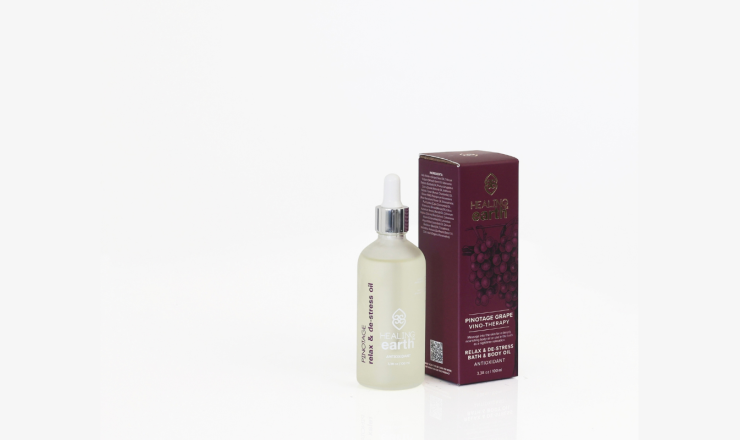
From vineyard to spa: Why Pinotage is more than just a wine grape
In our print feature, Heavenly Scent, we explored the spa experience at Healing Earth Wellness at Laborie Estate. But that experience starts long before you step into the treatment room. It starts in the vineyard. So why Pinotage? What is it about this proudly South African grape that has earned a…
Vyf vrae met Hendrien de Munck
Wynmaak lyk van buite na ’n romantiese beroep, maar agter elke bottel skuil ure se harde werk, besluite en toewyding. Hendrien de Munck, wynmaker van Maia Wines, deel haar perspektief op die realiteit van wynmaak, kreatiwiteit in die kelder en waarom sy glo daar is nog groot potensiaal vir…
Five questions with Liandra Kotzé
“Consumers haven’t stopped loving wine. They’ve changed how they choose it.” Wine marketers spend a great deal of time asking how to sell more wine. According to Vinimark Brand Portfolio Director Liandra Kotzé, the better question is whether we’re listening closely enough to the people we’re…