
VinPro supports collaboration on labour issues
· 2 min read

Yesterday the wine industry body VinPro gave its full support to a plan of the Western Cape Government to rectify shortcomings with regard to farm worker housing, health and safety. The National Department of Labour, VinPro, Wieta and Fairtrade, together with Agri Western Cape resolved to collectively address challenges on wine farms.
This follows after an investigation by the National Department of Labour pointed out unacceptable worker conditions on certain wine farms. Concerned parties held a meeting yesterday at Agri Western Cape’s offices.
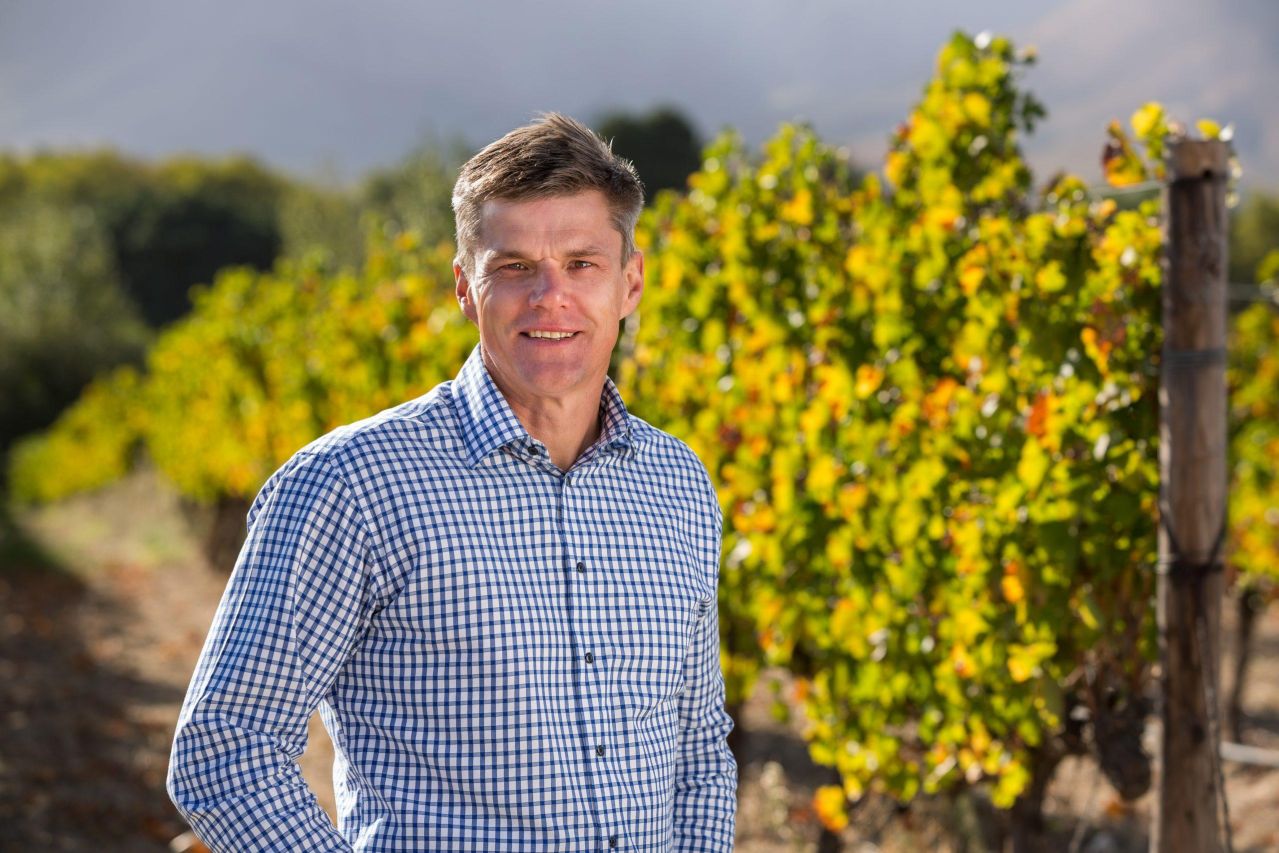
“The broader wine industry remains committed to the upliftment of farm workers and where there are still shortcomings, such cases are continuously dealt with as a matter of urgency. VinPro unequivocally confirms that compliance to the law is non-negotiable to all its members. Cooperation with government is of utmost importance, especially with regard to critical aspects, such as housing,” says VinPro’s managing director, Rico Basson.
He added that the reputation of the South African wine industry over the long term is extremely important and that the industry cannot afford transgressions with regard to working and housing conditions. “We maintain however, that opportunistic behaviour by unions and media like the Danish journalist Tom Heinemann does not benefit anyone and that cooperation and the sharing of correct information should rather be the desired way forward.”
VinPro continues to support its members with regard to subsidising of ethical audits, training and representation on several platforms. According to Basson the reality is that considerable progress has been made over time in the broader wine industry – to such an extent that a significant component has already implemented more than the minimum requirement. Awards to Bosman Family Vineyards, which received the Ethical Company of the Year award at the recent Drinks Business Green Awards, is testament to this. Spier was also shortlisted for this award.
“Established multi-stakeholder platforms, like the Wine Industry Value Chain Round Table (WIVCRT), which represents the industry, labour and government, will continue to play a key role in ensuring compliance at farm level,” says Basson. “There are already mechanisms in place through which problems can be reported. The WIVCRT’s Rapid Response Unit is a good example of this. The wine industry is on a journey of continuous improvement and the support of key stakeholders is pertinent in achieving success.”
ENQUIRIES: Annalize de Klerk, tel 021 276 0460, e-pos [email protected].

More from
People, community and tourism

From vineyard to spa: Why Pinotage is more than just a wine grape
In our print feature, Heavenly Scent, we explored the spa experience at Healing Earth Wellness at Laborie Estate. But that experience starts long before you step into the treatment room. It starts in the vineyard. So why Pinotage? What is it about this proudly South African grape that has earned a…
Vyf vrae met Hendrien de Munck
Wynmaak lyk van buite na ’n romantiese beroep, maar agter elke bottel skuil ure se harde werk, besluite en toewyding. Hendrien de Munck, wynmaker van Maia Wines, deel haar perspektief op die realiteit van wynmaak, kreatiwiteit in die kelder en waarom sy glo daar is nog groot potensiaal vir…

Five questions with Liandra Kotzé
“Consumers haven’t stopped loving wine. They’ve changed how they choose it.” Wine marketers spend a great deal of time asking how to sell more wine. According to Vinimark Brand Portfolio Director Liandra Kotzé, the better question is whether we’re listening closely enough to the people we’re…