
Latest
Articles by Melané Vivier
8 articles — page 1 of 1
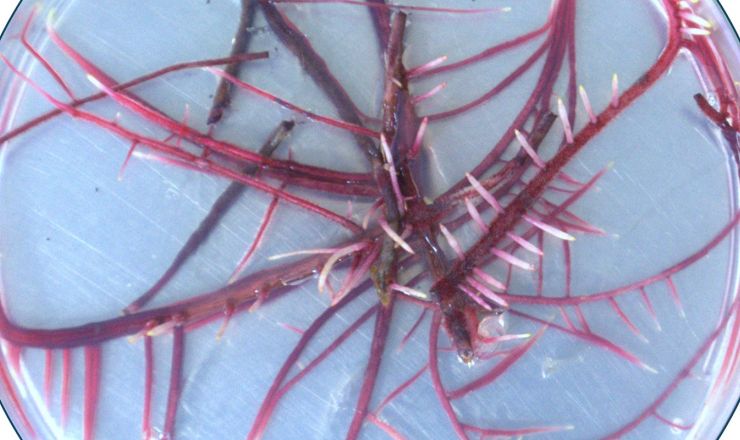
Hairy roots - a biotechnological tool for grapevine improvement
Hairy roots arise when the phytopathogenic bacterium, Rhizobium rhizogenes inserts DNA into a wounded plant’s genome, triggering the formation of rapidly growing root masses. The rapid growth and relatively fast establishment of hairy roots led to their use in laboratories, where they are used to…
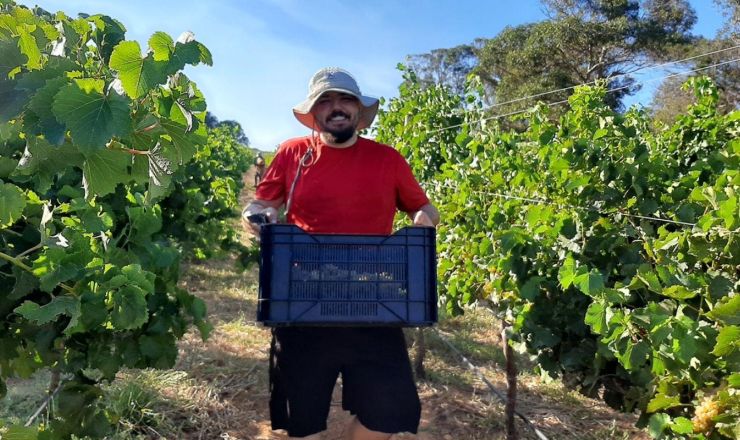
Quality grapes with limited water
This study is unique in that it is the first study to provide data on vines subjected to water-restricted conditions from the day that they were planted. It is important, because it contributes towards ensuring sustainable and profitable production of quality wine grapes in South Africa, even in…
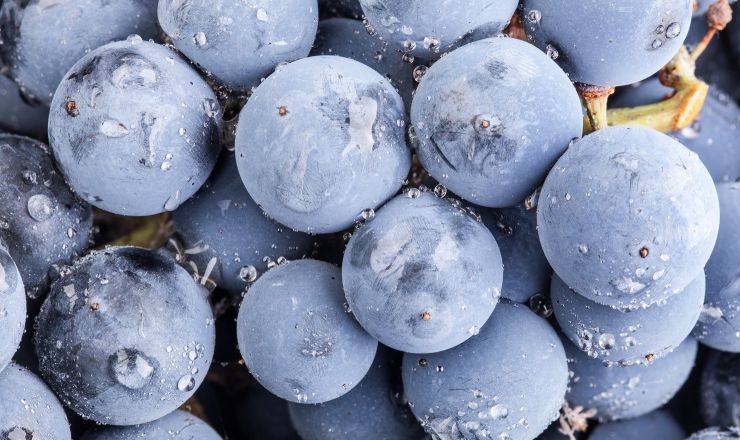
High(er)-throughput evaluation of novel grapevine material for important traits
In a South African wine industry-funded study, researchers focused on selecting and screening ‘untested/poorly tested’ rootstock material for abiotic stress-resistance phenotypes. The study also evaluated disease-resistance phenotypes of potentially valuable grapevine material.

Research update: The quest for new Pinotage clones
Given the importance of Pinotage for South Africa, the existence of only a few commercial clones is a limitation. The potential for a more diverse set of clones is desirable and crucial for this cultivar’s continued success and growth.

The CRISPR revolution and grapevine
Genome editing is a catchall phrase to describe the technologies that are available to alter an organism’s DNA. The most promising of these technologies is CRISPR, which is an acronym for ‘Clustered Regularly Interspaced Short Palindromic Repeats’ and occurs in nature as a bacterial ‘immune system’.

Pectin-lyase - the key wine enzyme?
PHOTO: Shutterstock.

Pectinases improve consistency in winemaking
PHOTO: Shutterstock.
Analytical methods to measure grape metabolites - a review
This review presents a summary of the chromatographic methods that have been developed and optimised to accurately profile and quantify grape metabolites. The g