
Quality grapes with limited water
This study is unique in that it is the first study to provide data on vines subjected to water-restricted conditions from the day that they were planted. It is important, because it contributes towards ensuring sustainable and profitable production of quality wine grapes in South Africa, even in…
· 14 min read
This article was previously published in the Water Wheel magazine, January/February 2026, Volume 25, No. 1.
In South Africa, 19 488 ha of agricultural land is planted with table grapes and 87 848 ha with wine grapes. All commercially produced table grapes and 87% of wine grapes receive irrigation water (SAWIS, 2023; Ferreira & Burger, 2024). Between 641 and 1 325 litres of water are needed to produce one kilogram of wine grapes, depending on the cultivar and the cultivation region (Jarmain et al., 2020). This is comparable to global figures for other fruit crops, such as apples and citrus (Van der Laan, 2017).
Concerns about water security due to climate change drive worldwide efforts to breed new drought-resistant grape cultivars and rootstocks. However, this is a long-term solution, because new cultivars can take many years before they are commercially available and successfully introduced to consumers.
There is thus a present need to know more about the cultivars and rootstocks currently grown in the vineyards of South Africa in the context of climate (water) smart production. We must understand their resilience and adaptability during water-scarce conditions and record the impact on the yields and quality of the grapes if it is assumed that irrigation water will not always be available. A research team from the South African Grape and Wine Research Institute (SAGWRI) at Stellenbosch University is addressing this need through a project called “Quality Grapes with Limited Water”. Led by Prof. Melané Vivier, this multidisciplinary initiative began in Spring 2020 with the establishment of an experimental model vineyard. The project is co-funded by South Africa Wine and the Water Research Commission.
A model vineyard is a highly characterised field trial site where experimental parameters and/or sources of variation and confounding variables are systematically explored before and during the experiment (Alexandersson et al., 2014). This model vineyard has been established against the lower slopes of Stellenbosch Mountain on the Welgevallen experimental farm of Stellenbosch University as a long-term research site to study the adaptation and resilience of grapevine scion-rootstock combinations to water constraint.
Grapevines’ responses to water constraint and the influence of rootstocks
Grapevine (Vitis vinifera) is a relatively drought-resistant crop that employs several strategies to cope with water scarcity, such as a deep, penetrative root system, stomatal regulation to prevent water loss during transpiration, accumulation of solutes to maintain cell turgor, optimisation of water use efficiency through adjusting hydraulic conductivity and hormones and chemical signals from roots to shoots to coordinate responses to water stress (Gambetta et al., 2020; Medrano et al., 2003; Simonneau et al., 2017).
Previous work funded by the WRC and other funding bodies, such as South Africa Wine, generated invaluable insights on how grapevines monitor and respond to stressful water-scarce conditions. However, findings showed that these responses are influenced by numerous interconnected factors often referred to as the Genotype X Environment X Management interactions. This study adopts a holistic approach by tracking several of these contributing factors over the lifetime of the model vineyard.
Most commercial grapevines worldwide consist of two distinct genotypes joined by grafting: the scion (typically V. vinifera cultivars) providing the vegetative and reproductive materials, including the fruits, and the rootstock (typically other Vitis species, or hybrids), which forms the root system. The rootstocks also provide protection against soil-borne pests and pathogens, and increased tolerance against drought and numerous suboptimal soil conditions. Furthermore, it influences plant development, phenology, and biomass accumulation (Ollat et al., 2016). The interaction between the two genotypes (scion and rootstock) is instrumental in modulating the vines’ responses against abiotic and biotic stresses.
Layout of the model vineyard
In this study, scion cultivars Cabernet Sauvignon, Pinotage and Shiraz grafted on either rootstocks USVIT 8-7 or Richter 99 are subjected to three different irrigation regimes, i.e. L1 (well-watered), L2 (reduced levels of irrigation), and L3 (dryland). For every scion-rootstock-irrigation combination, there are five repeats planted in a completely randomised design in the block (Figure 1), and each repeat is a panel with five vines. Between every row of red cultivars, there is a dryland row of Chenin blanc grafted on either Richter 110, Richter 99, USVIT 8-7, and 1103 Paulsen and on both ends of the vineyard, these rows are repeated as well-watered controls. An automatic weather station next to the block continuously records ambient temperature, incoming solar radiation, precipitation, relative humidity, and wind speed and direction, while the soil moisture content can be recorded at three depths (30, 60 and 90 cm) at each representative vine (150 positions throughout the vineyard) using a neutron probe (HYDROPROBE 503DR, CPN®, California).
FIGURE 1. The vineyard layout has red cultivars and Chenin blanc planted in alternating rows. Each block represents a panel of five vines, and the different colours indicate the irrigation regime for a specific panel or row. The scion:rootstock:irrigation-level combinations of the red cultivars are in a completely randomised design, while each Chenin blanc row represents one rootstock and irrigation combination. Each panel has an access point for the neutron probe to determine soil moisture levels at different depths. The 0.7 m buffer areas between panels aid in differentiating panels when high-throughput remote sensing methods and unmanned aerial vehicles are employed. Pino, Pinotage; Shi, Shiraz; Cs, Cabernet Sauvignon.
A validation study was conducted for the first season (2021/2022) to test the experimental parameters and provide insights regarding the spatial and temporal variability within the vineyard. During this period, the climatic factors, the soil’s chemical and physical characteristics, and soil water-holding capacity were analysed. Different water regimes were implemented, and the vines’ physiological and phenological responses were monitored. This confirmed that the irrigation scheduling successfully created distinct water-stress scenarios in the block without unintended lateral water movement.
Short- and long-term vine adaptations
Stem water potential and stomatal conductance measurements, along with phenological development rate to a lesser extent, are employed to assess the real-time expression of stress. Other biophysical variables indicate long-term influences, such as stem circumference, pruning weights, lateral leaf area index (LLAI), and grape yield. In this project, LLAI is determined from RGB images of grapevines captured against a white background, using a customised code developed by Prof. Poblete-Echeverría, one of the researchers involved in this project. Three distinct approaches are being utilised to determine how vines adapt to water scarcity over time. Firstly, soil pits were dug to document root development and architecture after three summers, and an algorithm was developed to analyse the root photographs. The number of roots, the area covered, and the percentage of coverage are considered alongside other parameters, such as above-ground biomass and crop yield, to detect the reactions of specific scion:rootstock combinations to different irrigation scenarios.
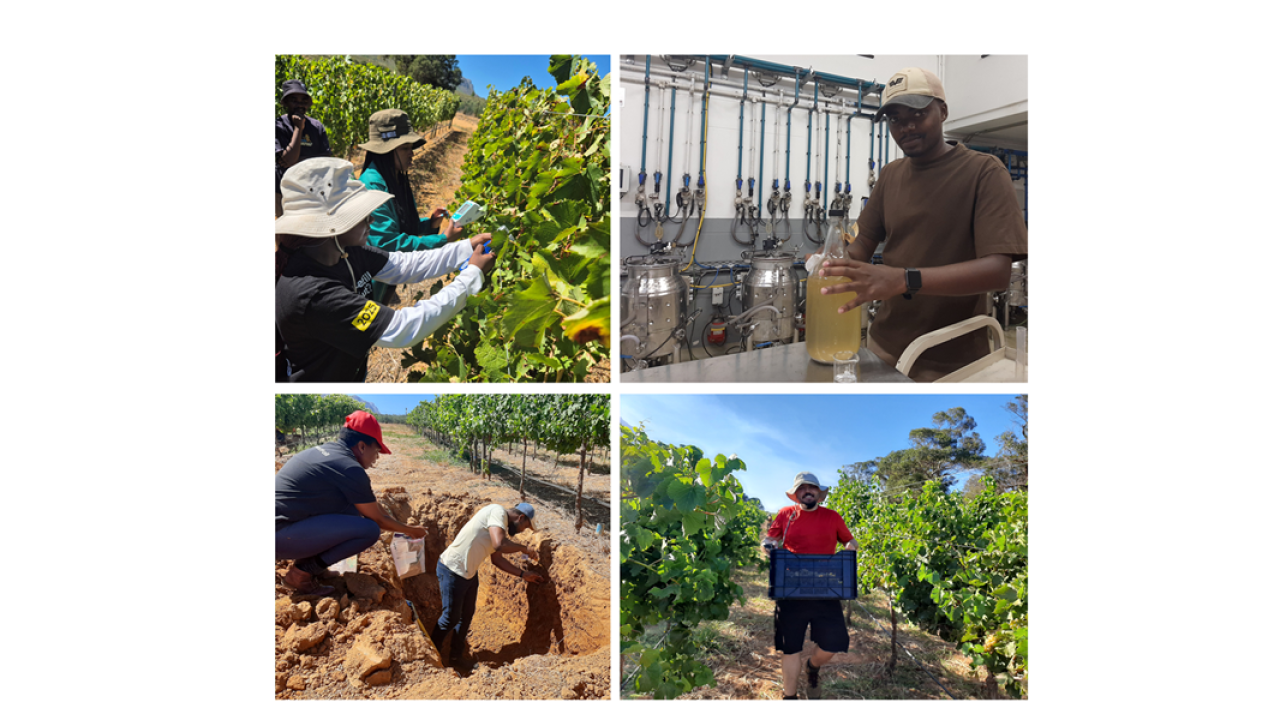
FIGURE 2. Students in the project are measuring stomatal conductance, conducting fermentations in the cellar, taking soil samples and bringing in the harvest.
During the soil pit excavations, soil samples from the root zones were taken to study the microbiome at the vine roots (led by Prof. Evodia Setati). The microbial populations associated with and recruited to the vine root zone play an important role in vine health and adaptation to stress situations, such as water scarcity (Naylor & Coleman-Derr, 2018). For example, some bacteria produce plant hormones that regulate stomata to reduce water loss or mycorrhizal fungi that form symbiotic relationships with vine roots and extend the root system and the plant’s access to a larger soil volume. Similarly, microbes can help vines access essential nutrients, such as phosphorus, which is critical for root growth and function, particularly during water-scarce periods.
Thirdly, studying the epigenetic regulation of gene expression in the vine renders a glimpse into how the vine “remembers” and possibly adapts to previous periods of water scarcity and how this influences the production of specific metabolites. In this study, DNA methylation (one type of epigenetic regulation) is studied. DNA methylation involves adding a methyl group to DNA, often leading to gene silencing. Under stress, plants may alter DNA methylation patterns to activate or repress specific genes involved in stress responses (Abdulraheem et al., 2024).
Finally, it is crucial to maintain a high standard of grape and wine quality for a sustainable industry. Therefore, the team also tracks the metabolic composition of the berries during ripening and at harvest. Small-scale wine fermentations are conducted, and the chemical and sensorial characteristics of the wine are determined to know how the different water regimes impact the wine properties.
Innovative technologies
Conventional plant-based approaches for detecting water stress, such as stem water potential (Choné et al., 2001), sap flow sensors, and stomatal conductance (Costa et al., 2012), are well-established but limited by their destructive nature, labour-intensive procedures, and restricted spatial and temporal resolution. To address these challenges, this project incorporates a section dedicated to innovative technologies, led by Prof. Poblete-Echeverría. Emerging high-throughput remote sensing techniques, including spectroscopy, high-resolution aerial thermography, and LiDAR (light detection and ranging), are evaluated and integrated with conventional methods to enhance grapevine water stress assessment. These technologies are currently being tested and validated through rigorous field experiments. Figure 3 presents example results obtained from high-resolution aerial thermography, illustrating the level of detail and spatial information that can be extracted.
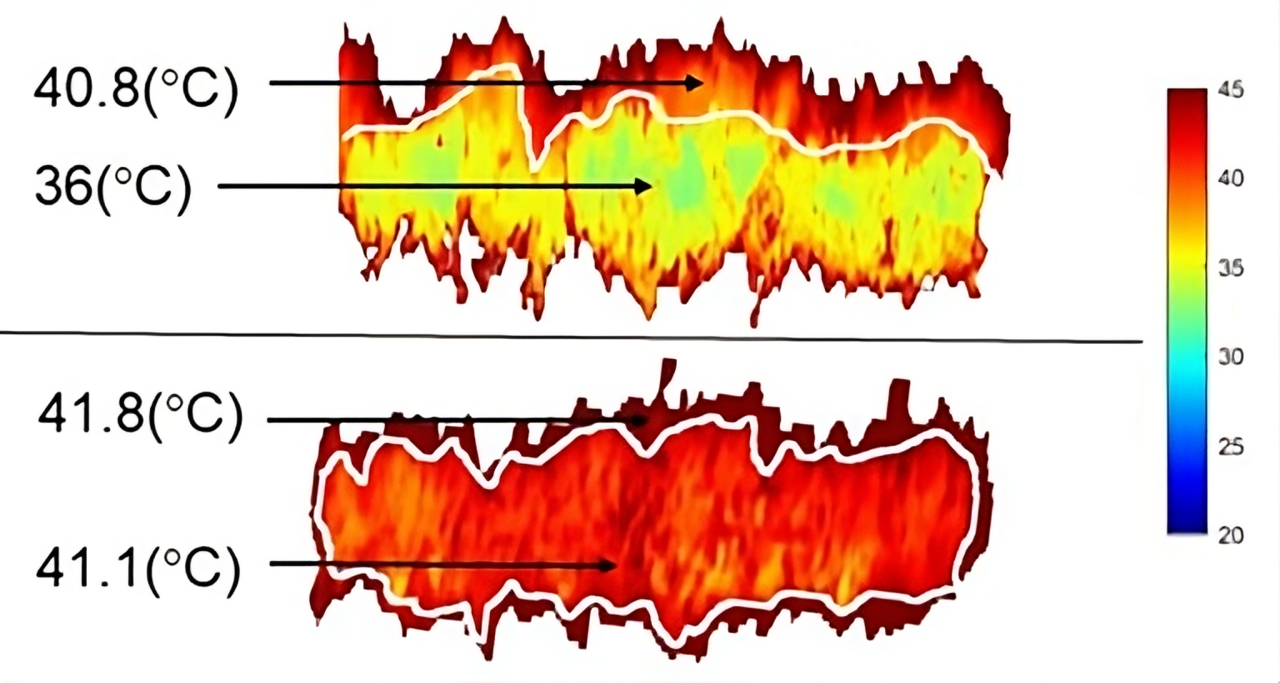
FIGURE 3. An example panel from the two measurement dates with the average canopy and shadow temperature indicated in each case.
Observations so far
Figure 4 shows the timeline of the project and the different actions that have been completed or are still ongoing. With all the data gathered, cross-seasonal comparisons of key parameters are becoming possible, and some interesting trends are emerging. Specific scion:rootstock combinations are consistently able to maintain stomatal conductance within the mild to no-stress zones even when no irrigation is supplied. These combinations also have the most extensive root structures. However, in general, the well-watered vines have bigger root systems and higher pruning mass than their dryland counterparts, while the dryland vines have increased trunk circumferences.
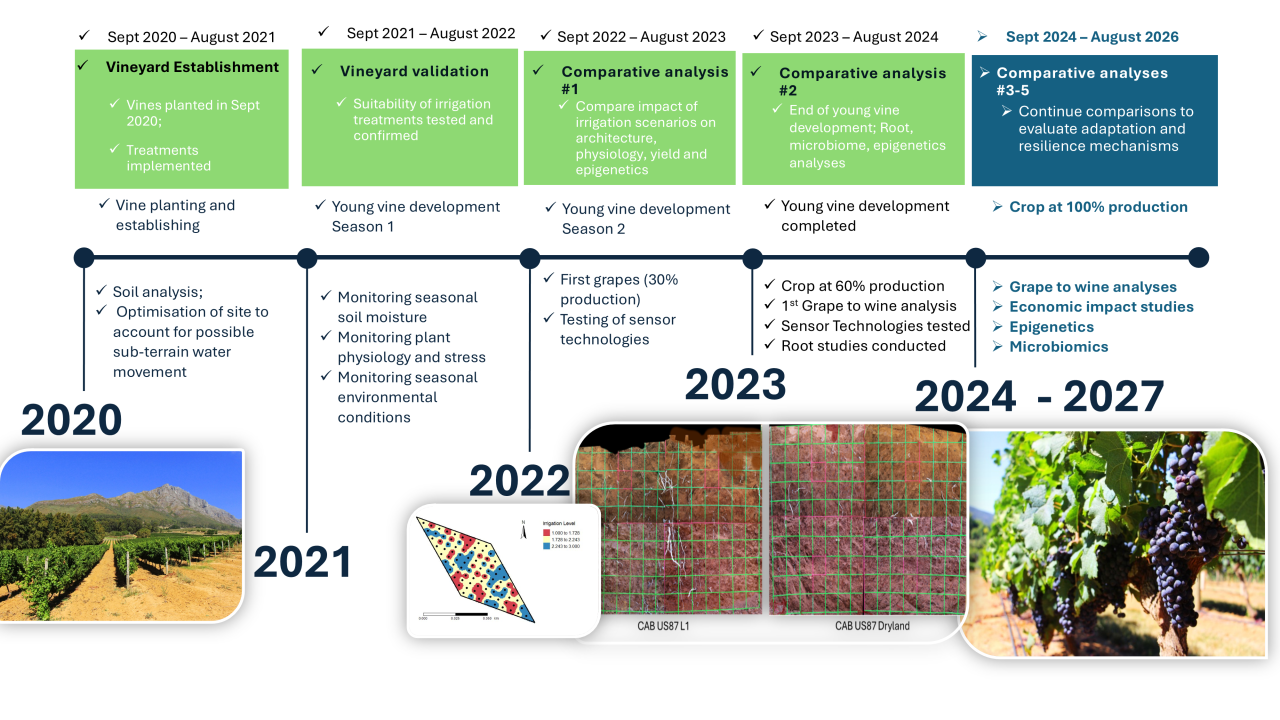
FIGURE 4. The project timeline shows the different stages of the vineyard development and the parameters that were measured and compared at each stage.
The geospatial characteristics of the vineyard in terms of soil moisture content, lateral leaf area and regulation of stomatal conductance are now well known. This information is being used to identify representable vines for all the scion:rootstock:irrigation combinations to use for further in-depth studies where integrated methods and new water stress indices are to be developed and tested. One example is the “stress distance”, which is proposed as a quantitative value that would represent the amount of time that a particular vine could go without water, under a given set of environmental conditions, until it reached the “critical water potential threshold” (Gambetta et al., 2020).
The study revealed that the developmental stage of the vines and their geospatial location have a strong influence on epigenetic gene regulation, and this will have to be considered for future epigenetic analysis when investigating the scion:rootstock:irrigation effect. Furthermore, the microbiome of the soil in the vicinity of the dryland vines contained root colonisers, saprobes (organisms that can decompose organic material), and organisms that can thrive in arid environments. It was observed that each vine cultivar (not the rootstock) was surrounded by different communities, but with similar traits according to the irrigation level. Further analysis will involve the rhizospheres (a narrow region of soil in contact with the roots and the root excretions) of the different rootstocks.
What is the contribution of this study?
This study is unique in that it is the first study to provide data on vines subjected to water-restricted conditions from the day that they were planted. This study is important, because it contributes towards ensuring sustainable and profitable production of quality wine grapes in South Africa, even in water-scarce conditions. Furthermore, new tools for the accurate monitoring of plant water stress are being developed, and this will help to prevent the wasteful use of irrigation water and inform on the realistic water needs for the grape growing industry. Together, this will support future decisions and policy-making. Both the evaluation of the performance of all the scion:rootstock combinations and the epigenomic profiling will provide information that could feed into existing breeding programmes for grapevines. It will guide protocols for establishing young vines under challenging conditions. The information on the microbiome constitution and fluctuations as influenced by the scion:rootstock combination and/or the water stress conditions might lead to future applications. For example, specific microbial consortia can be developed to aid young vine establishments under water-scarce conditions. The research vineyard is also a long-term resource to transfer knowledge and skills to the industry and viticulture students on future scenarios of consistent water limitation.
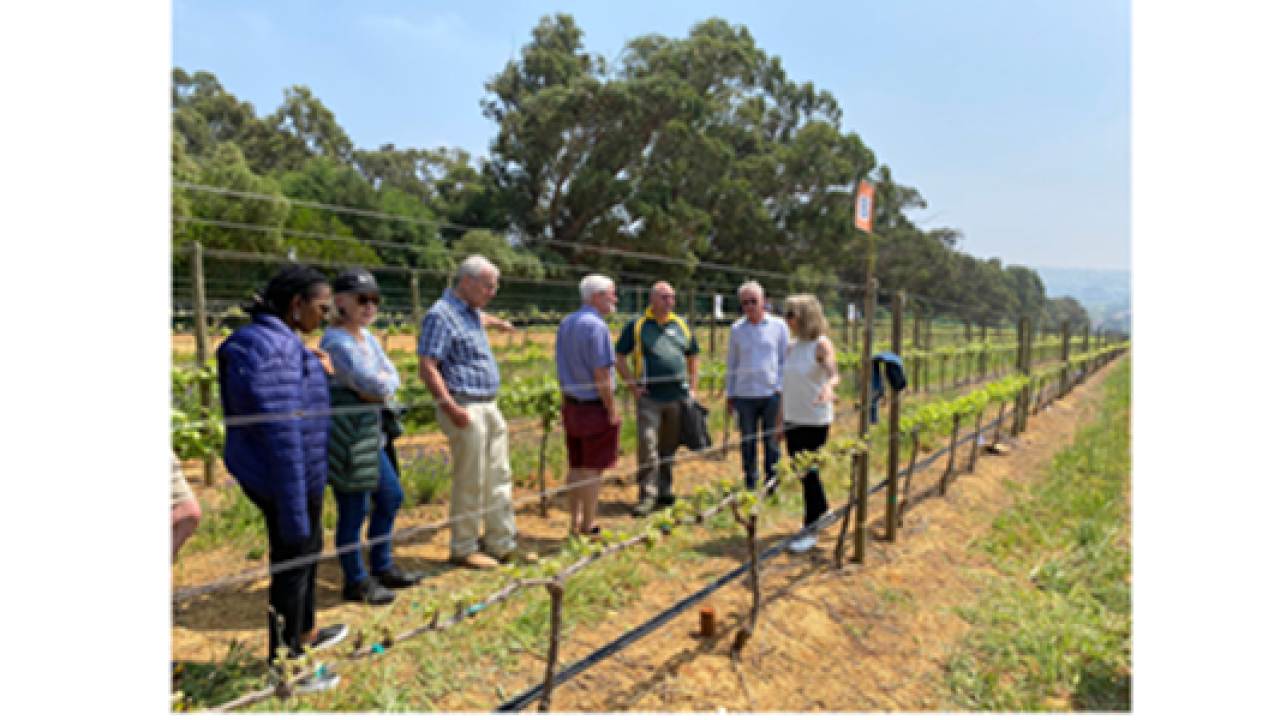
FIGURE 5. Prof. Melané Vivier in discussion with industry members at the workshop at the experimental site.
Sharing with the community and impact
It is clear that a multifaceted approach, as employed by this study, is necessary to improve the resilience of the South African grape and wine industry against future water-scarce scenarios. The research team regularly shares their findings with the students in the Grape and Wine Sciences programme of the Department of Viticulture and Oenology at Stellenbosch University. They often host visiting academics and interns from the rest of the world and interest groups, such as the Masters of Wine. It is their priority to transfer knowledge to the wine industry, and therefore, a workshop was hosted, together with the WRC and South Africa Wine, in October 2024.
The workshop was attended by more than 70 representatives from the industry, as well as delegates from WRC, South Africa Wine, Department of Agriculture, Land Reform and Rural Development, Agricultural Research Council, and Vinpro. Professors Vivier, Setati and Poblete-Echeverría introduced the research with presentations and shared some of the current key findings. This was followed by an excursion to the vineyard at Welgevallen, where the postgraduate students in the research group demonstrated some of the monitoring techniques that are being used. The enthusiasm and interest shown by all the attendants emphasised the importance of the research questions being addressed and the need to share the information with the community.
Another key outcome of this project is the initiation of a new WRC-funded project focused on developing an innovative, low-cost smart irrigation system. Led by Prof. Poblete-Echeverría, this new project addresses the urgent challenge of improving water management in South Africa’s viticulture sector. The proposed system integrates advanced sensors and data transmission technologies to provide accurate measurements of crop evapotranspiration (ETc), a critical parameter for optimising irrigation strategies and enhancing water-use efficiency.
References
- Abdulraheem, M.I., Xiong, Y., Moshood, A.Y., Cadenas-Pliego, G., Zhang, H. & Hu, J. (2024). Mechanisms of Plant Epigenetic Regulation in Response to Plant Stress: Recent Discoveries and Implications. Plants, 13(2), 1-25. https://doi.org/10.3390/plants13020163
- Alexandersson, E., Jacobson, D., Vivier, M.A., Weckwerth, W. & Andreasson, E. (2014). Field-omics-understanding large-scale molecular data from field crops. Frontiers in Plant Science, 5(June), 286. https://doi.org/10.3389/fpls.2014.00286
- Gambetta, G.A., Herrera, J.C., Dayer, S., Feng, Q., Hochberg, U. & Castellarin, S.D. (2020). The physiology of drought stress in grapevine: Towards an integrative definition of drought tolerance. Journal of Experimental Botany, 71(16), 4658-4676. https://doi.org/10.1093/jxb/eraa245
- Jarmain, C., Avenant, E., Van Niekerk, A., Stephenson, G., Mohlotsane, M., Muller, J., Vermeulen, D., Jordaan, H., Prins, A., Poblete-Echeverría, C. & Spies, C. (2020). 2710/1/2020. Water footprint as an indicator of sustainable table and wine grape production.
- Medrano, H., Escalona, J.M., Cifre, J., Bota, J. & Flexas, J. (2003). A ten-year study on the physiology of two Spanish grapevine cultivars under field conditions: Effects of water availability from leaf photosynthesis to grape yield and quality. Functional Plant Biology, 30(6), 607-619. https://doi.org/10.1071/FP02110
- Naylor, D. & Coleman-Derr, D. (2018). Drought stress and root-associated bacterial communities. Frontiers in Plant Science, 8(January), 1-16. https://doi.org/10.3389/fpls.2017.02223
- Simonneau, T., Lebon, E., Coupel-Ledru, A., Marguerit, E., Rossdeutsch, L. & Ollat, N. (2017). Adapting plant material to face water stress in vineyards: Which physiological targets for an optimal control of plant water status? Oeno One, 51(2), 167-179. https://doi.org/10.20870/oeno-one.2016.0.0.1870
- Van der Laan, M. (2017). Application of water footprint accounting for selected fruit and vegetable crops in South Africa. https://wrcwebsite.azurewebsites.net/wp-content/uploads/mdocs/TT 722-17.pdf
For more information, contact Prof. Melané Vivier at [email protected].
Click here to get your copy of WineLand Magazine.

More from
Innovation and insights

Packaging under pressure: What wine businesses should be watching
From lighter bottles to automated packing lines, packaging decisions are becoming increasingly important to the cost and competitiveness of South African wine.
How vine water stress shapes grape and wine quality
This study formed part of the South Africa Wine programme “Grapevine production with limited water resources”, and aimed to evaluate how spatial and temporal water stress affects vine physiology, fruit composition and wine quality.
Drought tolerance of different scion cultivars (Part 4): Vegetative growth and yield
The study aimed to assess grapevine vegetative and yield responses in an almost worst-case scenario, i.e. grapevines growing under dryland conditions in sandy loam soil in the Swartland region.