
Hairy roots - a biotechnological tool for grapevine improvement
Hairy roots arise when the phytopathogenic bacterium, Rhizobium rhizogenes inserts DNA into a wounded plant’s genome, triggering the formation of rapidly growing root masses. The rapid growth and relatively fast establishment of hairy roots led to their use in laboratories, where they are used to…
Sasha Tietz, Philip Young and Melané Vivier
· 8 min read
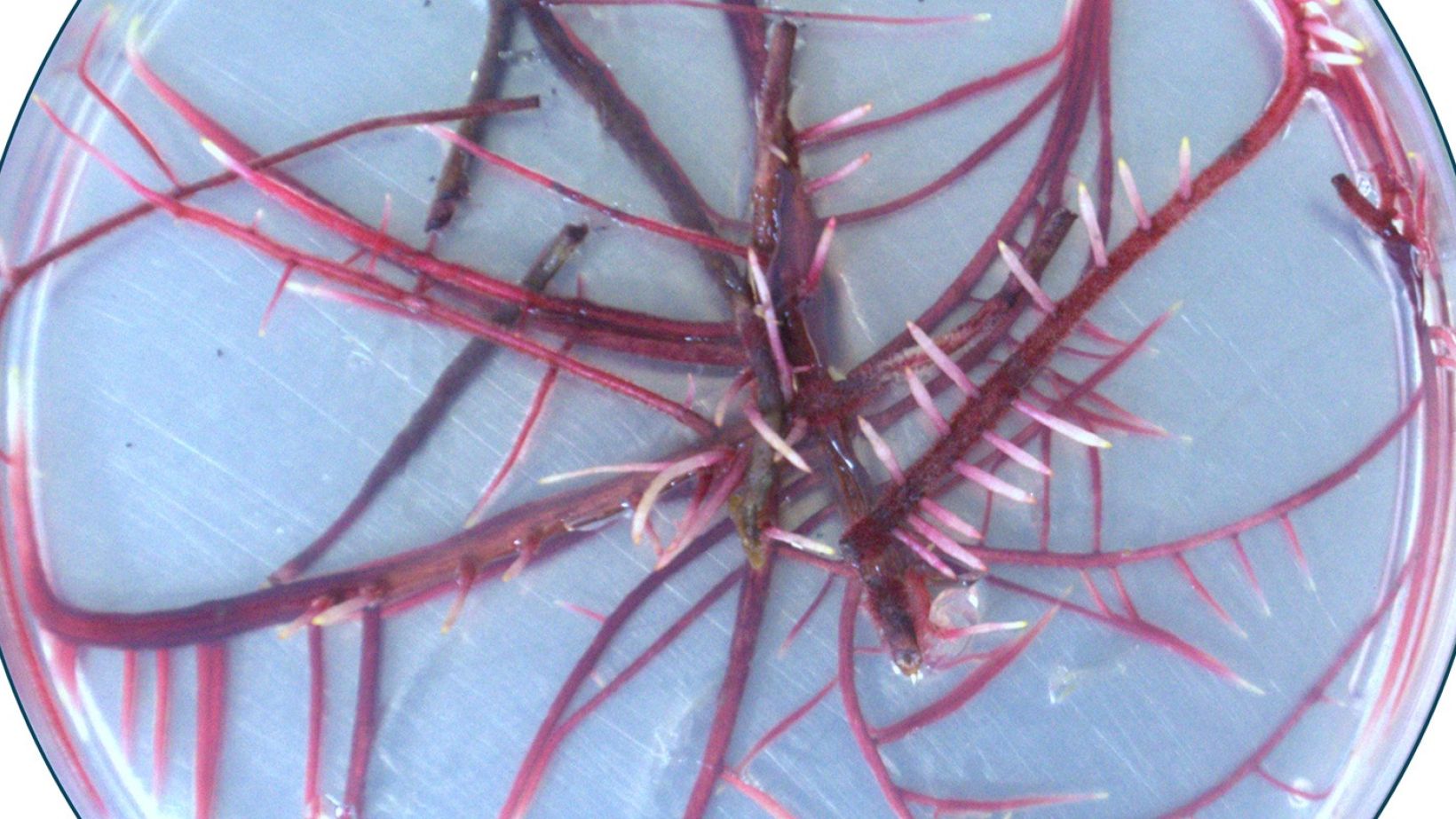
This article is adapted from a publication in the Journal of Experimental Botany. Article reference: Tietz, S.M., Brenner, K., Moyo, T., Young, P.R., Vivier, M.A., 2026. Optimised Protocol for Efficient Generation, Confirmation, Transformation, and CRISPR Editing of Grapevine Hairy Roots. J. Exp. Bot. erag165. https://doi.org/10.1093/jxb/erag165
The step-by-step protocol is available in the open access repository www.protocols.io.
DOI: https://dx.doi.org/10.17504/protocols.io.x54v9bwn4l3e/v1
Abstract
Hairy roots arise when the phytopathogenic bacterium, Rhizobium rhizogenes inserts DNA into a wounded plant’s genome, triggering the formation of rapidly growing root masses. The rapid growth and relatively fast establishment of hairy roots led to their use in laboratories, where they are used to study gene functions and produce valuable metabolites across hundreds of plant species. Over 50 grapevine scions and rootstocks have been reported to develop hairy roots via varied methodologies and with inconsistent success. Given the fact that hairy roots have gained significant scientific attention recently, we aimed to establish a standardised reference protocol for grapevine. The optimised method was successfully applied to six grapevine genotypes, and relevant molecular tools were developed for hairy root selection and transformations. The system was tested by overexpressing a grapevine transcription factor driving anthocyanin accumulation, leading to red colouration in genetically transformed hairy roots. We also achieved CRISPR/Cas9 editing of a grapevine gene involved in drought responses, showing the compatibility of grapevine hairy roots with the novel gene editing technology. Hairy roots were also successfully generated from two other indigenous South African plant species, namely Sutherlandia frutescens and Aspalathus linearis, highlighting the versatility of the method.
Hairy what?…
Hairy roots arise from a natural genetic transformation by the bacterium Rhizobium rhizogenes (formerly Agrobacterium rhizogenes), which inserts a piece of DNA into wounded plant cells. This triggers the emergence of vast numbers of rapidly growing roots from the infection site, known as hairy root disease. Upon the discovery of this genetic transformation process, scientists established hairy root cultures as a biotechnological tool that has since been applied to over 400 plant species in laboratories worldwide. Aside from its own DNA, the bacterium can also introduce genes of interest into hairy roots. This is similar to Rhizobium radiobacter (formerly Agrobacterium tumefaciens) mediated transformations, which have been used to produce most plant GMOs, with the difference that hairy roots grow faster and generally only roots develop, and not an entire GMO plant. Current hairy roots applications can broadly be categorised into gene function studies, root pathogen/symbiont interactions, the production of valuable metabolites or recombinant proteins, and phytoremediation – the plant-based extraction of contaminants from environments.
Grapevine hairy root cultures
When focusing on grapevine, hairy root cultures have been generated from over 50 Vitis genotypes including various V. vinifera cultivars, rootstock species and hybrids. The main application has been the functional characterisation of anthocyanin-related genes, studying root-pathogen interactions, and the bioproduction of stilbenoid compounds with medicinal properties – predominantly resveratrol. Although this technology is not directly linked to industry, it plays an important role in grapevine metabolite and gene studies that are useful for breeding programs working on cultivar improvement and diversification. Additionally, the fast growth rate of grapevine hairy roots makes them a viable candidate for bioreactor establishment, potentially leading to a new industrial arm focused on valuable compound generation, or for phytoremediation, to filter contaminants from water or soil, expanding the circular economy of grapevine.
Pretesting of protocol parameters
A wide range of Vitis hairy root culture establishment and maintenance methodologies have been applied across studies, leading to different degrees of success, which highlighted the need for a standardised reference protocol. To establish this protocol, various parameters were tested and compared in pre-experiments, including: the two most frequently used infection methodologies (explant immersion vs stem wounding), three Rhizobium strains (A4, LBA9402 and C58C1), multiple grapevine explant tissue types (internodes, petioles, roots and leaves), a range of plant-bacteria co-cultivation times (2-, 3-, 6- and 9-days), different plant growth media compositions (MS, ½MS, LG0 and B5), and an array of anti-browning agents. Furthermore, universal primer pairs were generated for PCR-based hairy root confirmation and two antibiotic resistance markers (kanamycin and hygromycin), and two fluorescent reporter genes (DsRed and eyGFPuv) were evaluated for their capability to identify hairy roots expressing inserted genes of interest.
The new protocol
The optimised parameters were combined into the reference protocol that can be split up into three steps:
I. Preparation of the rhizogenes suspension.
II. Infection of grapevine internodes.
III. Hairy root confirmation and sub-culturing (Figure 1).
The preliminary experiments resulted in the selection of the explant immersion method, Rhizobium rhizogenes strain A4, internode explants, two-day co-cultivation, ½MS media, and Polyvinylpolypyrrolidone (PVPP) + L-glutamine anti-browning agents. This protocol was successfully applied to three Vitis vinifera cultivars, Sultana, Redglobe and Chardonnay, three rootstock hybrids, Gravesac (Vitis berlandieri × Vitis riparia × Vitis rupestris), SO4 (Vitis berlandieri × Vitis riparia), 143B (Vitis riparia × Vitis vinifera), and the rootstock V. champinii cv Ramsey. The fluorescent reporter DsRed and the antibiotic resistance marker hygromycin proved to be ideal for the effective selection of transgenic hairy root lines. DsRed was especially useful, enabling the visual identification of transgenic hairy roots under the correct light conditions (Figure 2).
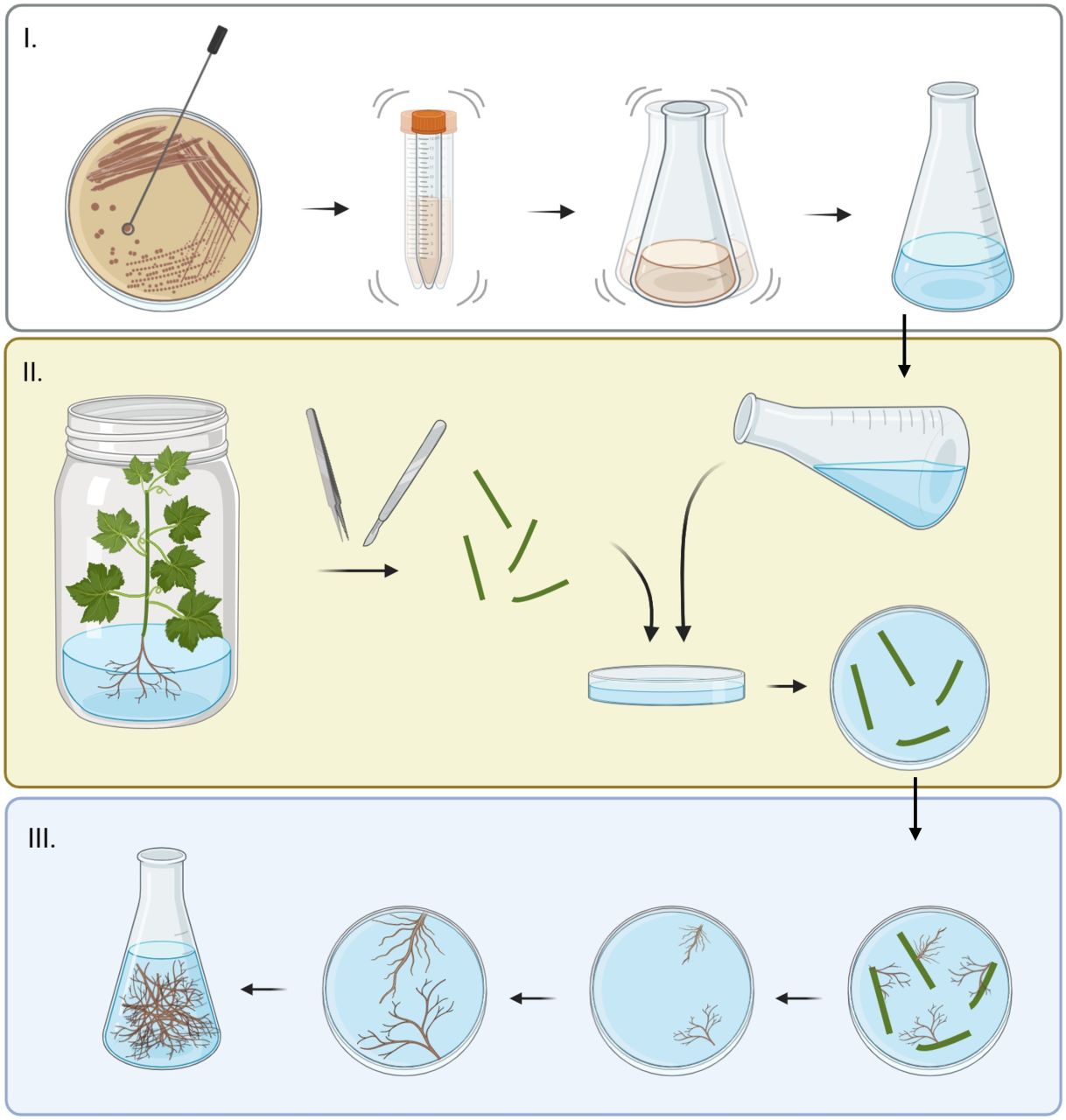
FIGURE 1. Schematic representation of the optimised protocol, created in BioRender. Vivier, M., 2026, https://BioRender.com/wtznk7a.
I. Preparation of the infection suspension: an isolated colony is used to generate an overnight pre-culture, which is then used to generate a liquid culture grown to OD600 = 1, which is washed and resuspended in ½MS plant growth medium supplemented with acetosyringone (a compound that enhances bacterial DNA integration).
II. The infection method: internode stem sections are excised from six-week-old in vitro grown plantlets (now called explants) and immersed in the bacterial suspension for 20 minutes, briefly blotted dry on filter paper, and placed on ½MS medium for two days of co-cultivation. R. rhizogenes is then removed by washing the explants in an antibiotic solution and placing them on ½MS medium supplemented with antibiotics to ensure bacterial elimination.
III. Hairy root culturing: after about two weeks, hairy roots will begin emerging from the explants, which are excised and placed on separate growth medium when reaching 2 - 4 cm in length. Roots that continue developing after excision are then confirmed to be hairy roots using PCR analysis, and sub-cultured or bulked up on solid or in liquid ½MS medium.
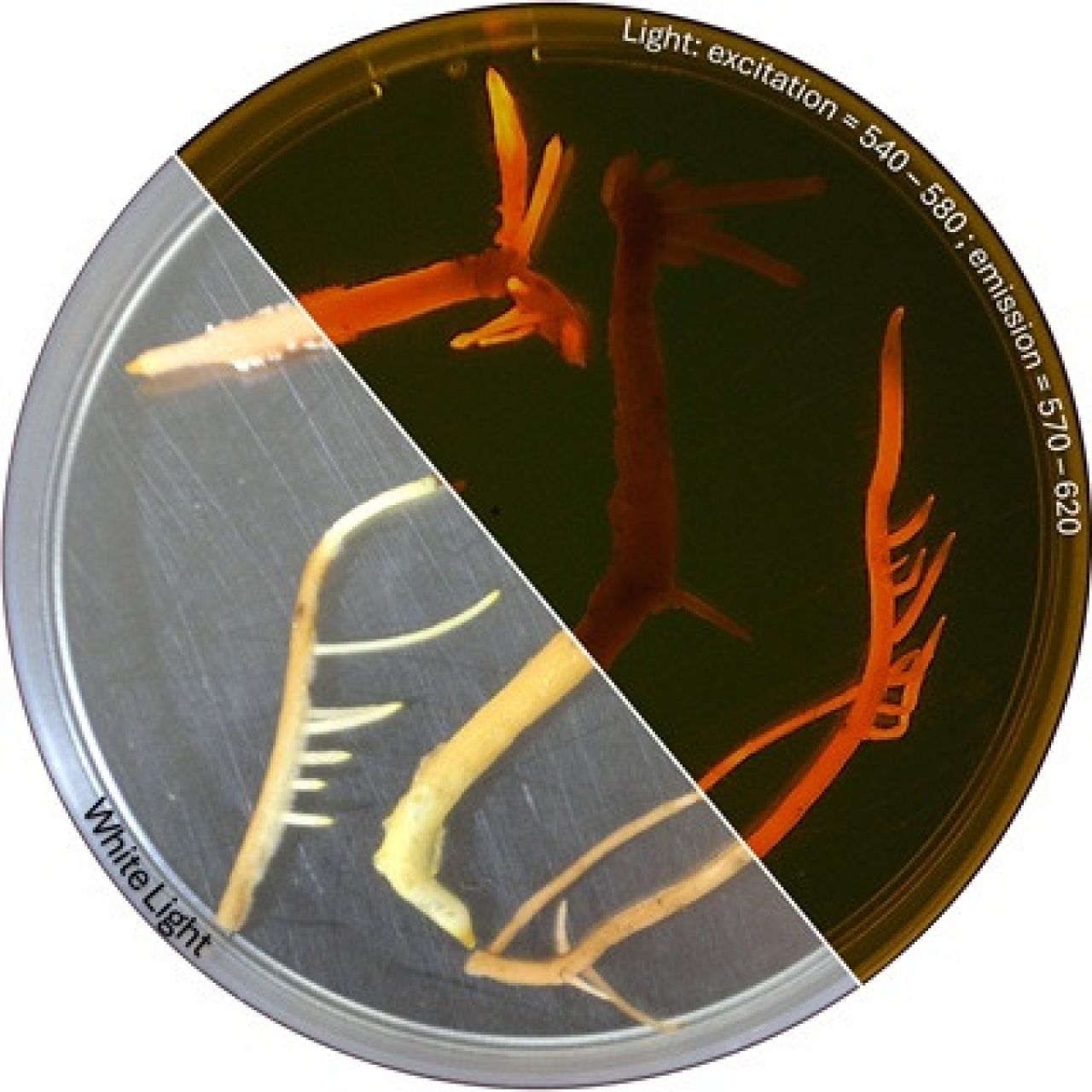
FIGURE 2. A composite image demonstrating the selection of transgenic hairy roots using the DsRed reporter gene. Transgenic hairy roots glow orange under the correct light conditions (excitation = 540 - 580; emission = 570 - 620), while non-transgenic hairy roots show no fluorescence.
System applications
The system was tested by overexpressing the VviMYBA1 transcription factor in hairy roots, which led to red pigmentation of roots due to the accumulation of anthocyanins (Figure 3). The established protocol was also successfully used for CRISPR/Cas9 editing, the first instance in grapevine hairy roots, achieving editing of the VviPUB19 gene, a negative regulator of the abscisic acid pathway, with efficiencies of 28% - 100% in two grapevine genotypes. The established protocol also successfully generated hairy root cultures from the medicinal plant Sutherlandia frutescens (cancer bush) and the industrially relevant Aspalathus linearis (rooibos) when minor adjustments were made to the plant tissue material used for infection.
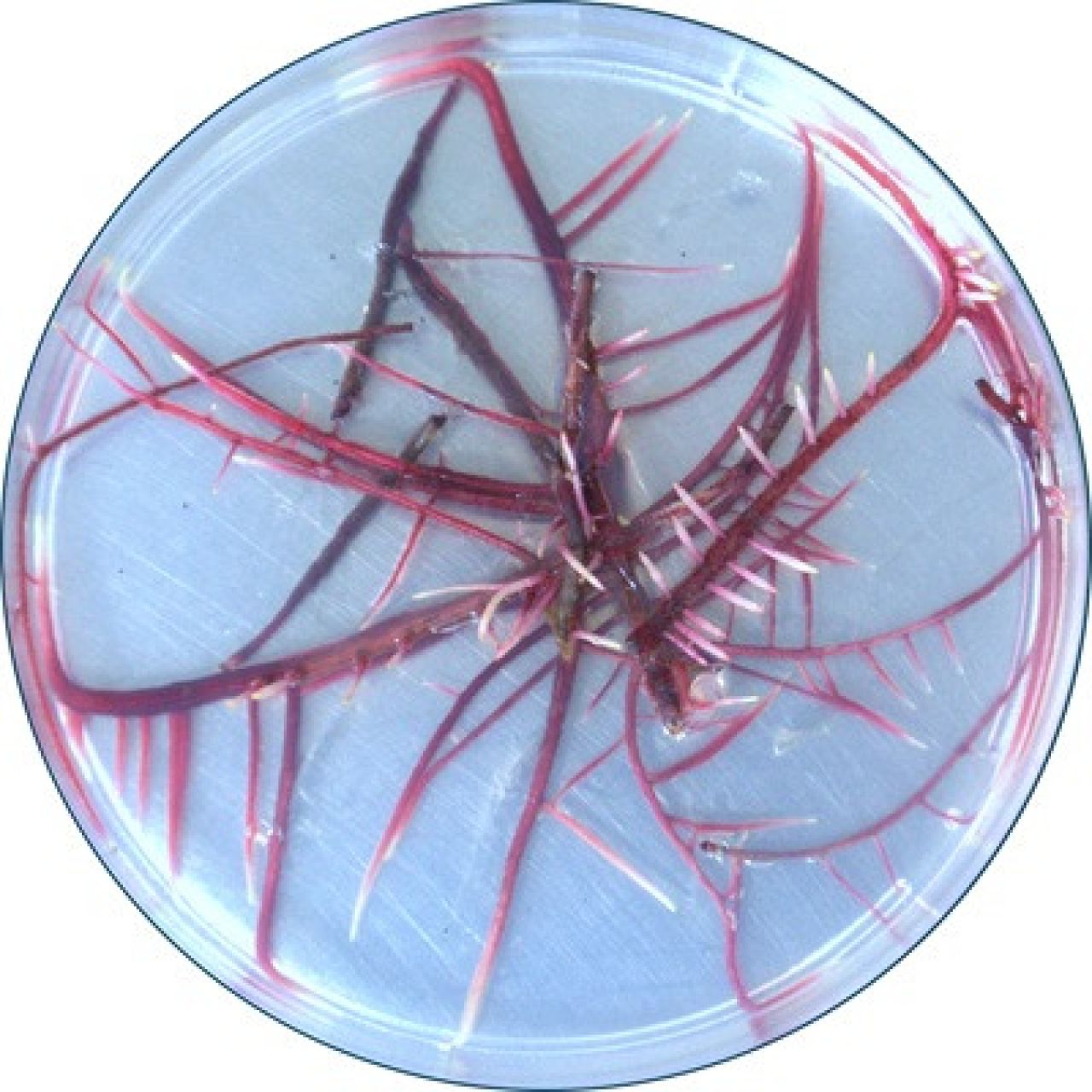
FIGURE 3. Grapevine hairy root culture expressing the VviMYBA1 transcription factor. The red colour is due to the accumulation of anthocyanins that are usually found in red grape skins.
Conclusion
This optimised protocol provides a reliable starting point for the establishment of grapevine hairy roots and confirms compatibility with CRISPR/Cas9 editing. Regenerating whole plantlets from these roots, as achieved in other plant species, remains a key milestone that could accelerate transformation experiments. This is owed to the relatively fast establishment, simple explant preparation, and rapid growth rate of hairy root cultures, when compared to whole plant transformations, which require more complicated and time-consuming workflows. Future goals could also include scaling to large-scale bioreactors for metabolite or recombinant protein production and exploring Vitis hairy root for phytoremediation.
References
Cutanda-Perez, M-C., Ageorges, A., Gomez, C., Vialet, S., Terrier, N., Romieu, C. & Torregrosa, L., 2009. Ectopic expression of VlmybA1 in grapevine activates a narrow set of genes involved in anthocyanin synthesis and transport. Plant Molecular Biology 69, 633 - 648.
Georgiev, M.I., Agostini, E., Ludwig-Müller, J. & Xu, J., 2012. Genetically transformed roots: from plant disease to biotechnological resource. Trends in Biotechnology 30, 528 - 537.
Gomez, C., Conejero, G., Torregrosa, L., Cheynier, V., Terrier, N. & Ageorges, A., 2011. In vivo grapevine anthocyanin transport involves vesicle-mediated trafficking and the contribution of anthoMATE transporters and GST. The Plant Journal 67, 960 - 970.
Gutierrez-Valdes, N., Häkkinen, S.T., Lemasson, C., Guillet, M., Oksman-Caldentey, K-M., Ritala, A. & Cardon, F., 2020. Hairy root cultures – a versatile tool with multiple applications. Frontiers in Plant Science 11.
Ren, C., Mohamed, M.S.M., Aini, N., Kuang, Y. & Liang, Z., 2024. CRISPR/Cas in grapevine genome editing: the best is yet to come. Horticulturae 10, 965.
Tietz, S.M., Brenner, K., Moyo, T., Young, P.R. & Vivier, M.A., 2026. Optimised protocol for efficient generation, confirmation, transformation, and CRISPR editing of grapevine hairy roots. Journal of Experimental Botany, erag165.
For more information, contact Melané Vivier at [email protected].
Click here to get your copy of WineLand Magazine.

More from
Innovation and insights

Packaging under pressure: What wine businesses should be watching
From lighter bottles to automated packing lines, packaging decisions are becoming increasingly important to the cost and competitiveness of South African wine.
How vine water stress shapes grape and wine quality
This study formed part of the South Africa Wine programme “Grapevine production with limited water resources”, and aimed to evaluate how spatial and temporal water stress affects vine physiology, fruit composition and wine quality.
Drought tolerance of different scion cultivars (Part 4): Vegetative growth and yield
The study aimed to assess grapevine vegetative and yield responses in an almost worst-case scenario, i.e. grapevines growing under dryland conditions in sandy loam soil in the Swartland region.