Innovation and insights
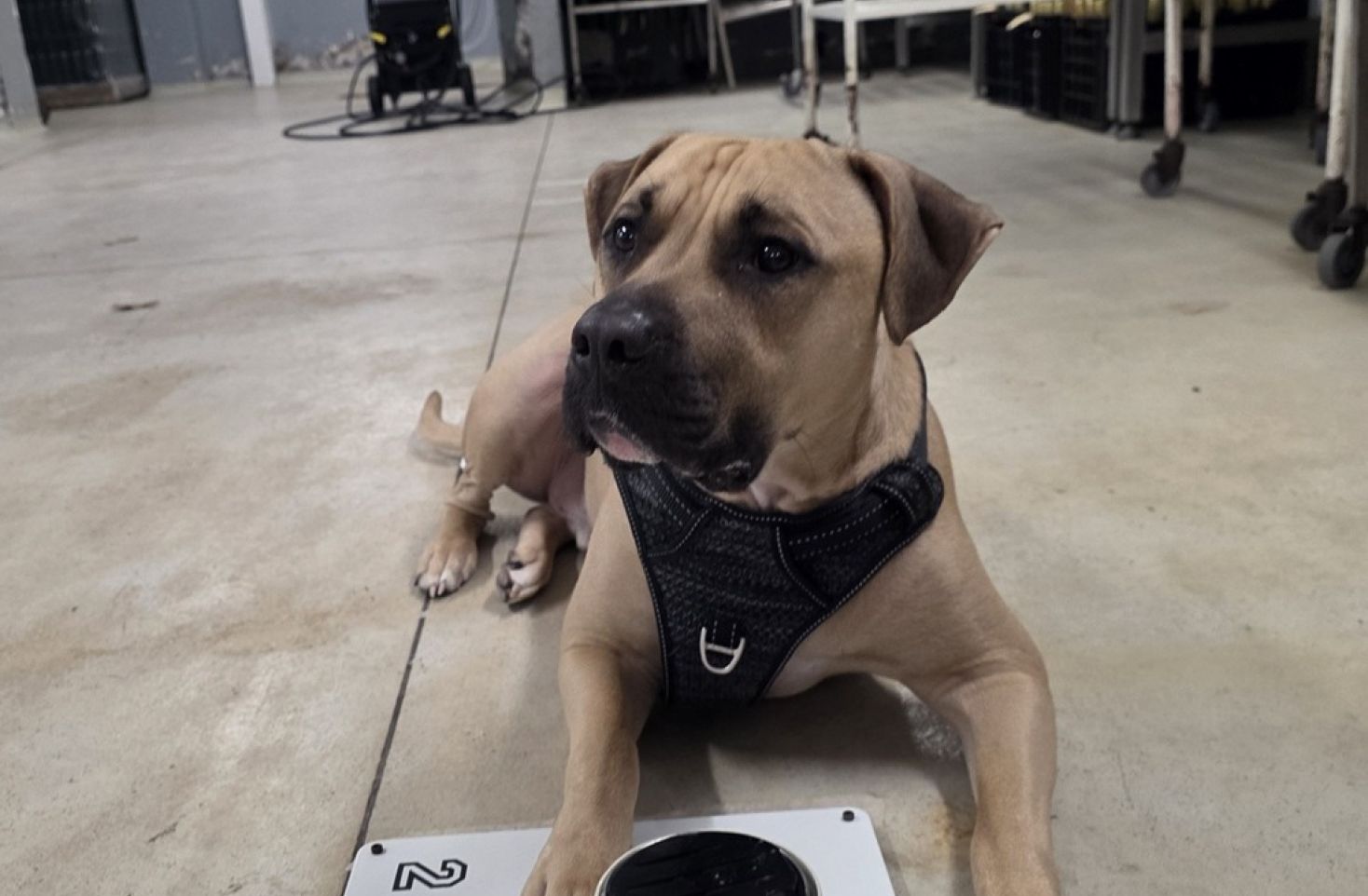
Featured article: Sit. Stay. Find the TCA
How do you teach a dog to sniff out one of wine’s most notorious contaminants? WineLand meets the researcher and volunteer handlers behind a Stellenbosch University study and discovers what it takes to train a four-legged wine fault detective.

Innovation and insights
Insights and research
324 articles — page 1 of 27

High pH winemaking - risks and solutions
This article examines the implications of elevated pH and reduced acidity in must and wine, and presents LAFFORT® solutions to address these challenges.
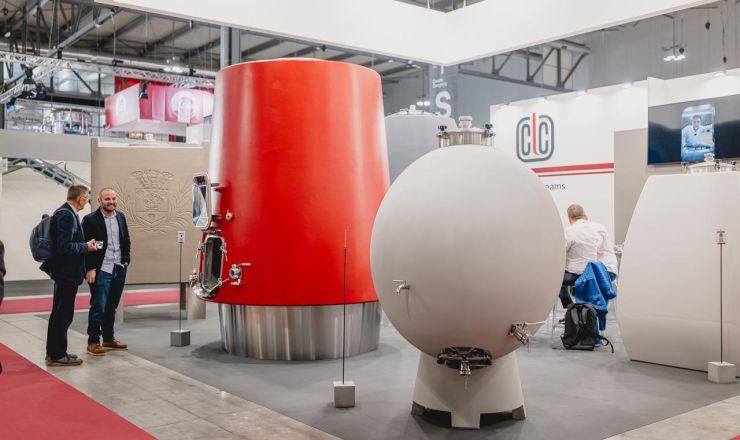
Wine’s next big innovation might not come from wine
The global market for beverage and liquid food machinery is worth R829.02 billion. As SIMEI prepares to open in Milan in November, new figures suggest that packaging, automation and technologies shared across industries could change the next chapter of winemaking.
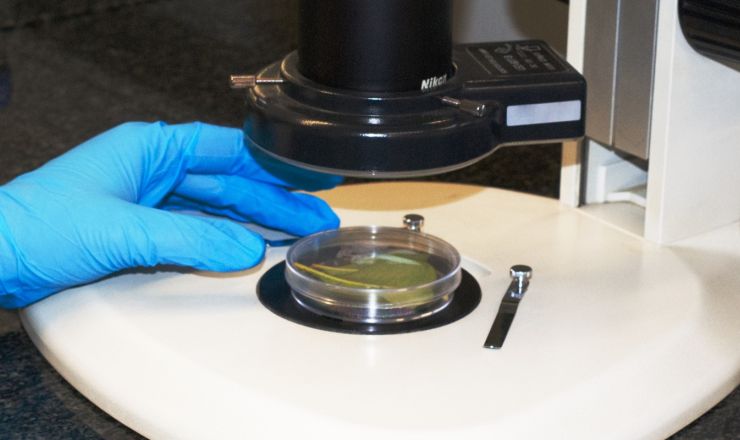
Safeguarding agricultural biosecurity through insect diagnostics
Insect diagnostics are managed through the Plant Disease Clinic (PDC), based at Stellenbosch University, and have emerged as a critical advisory service for South African agriculture. This article outlines the scope of samples analysed by the PDC, the services it provides and the role it will play…
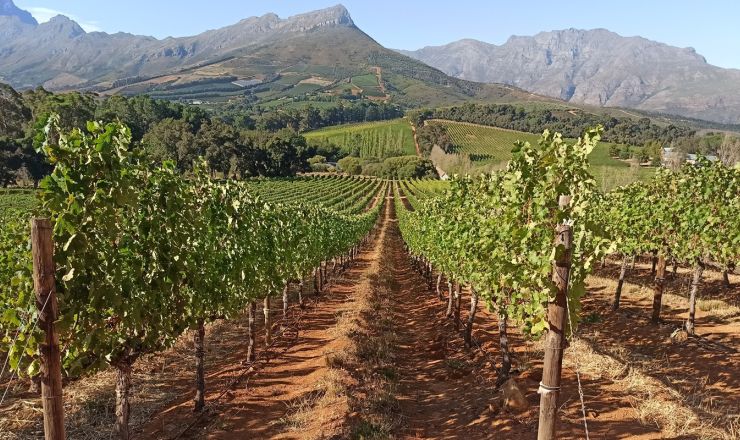
How vine water stress shapes grape and wine quality
This study formed part of the South Africa Wine programme “Grapevine production with limited water resources”, and aimed to evaluate how spatial and temporal water stress affects vine physiology, fruit composition and wine quality.
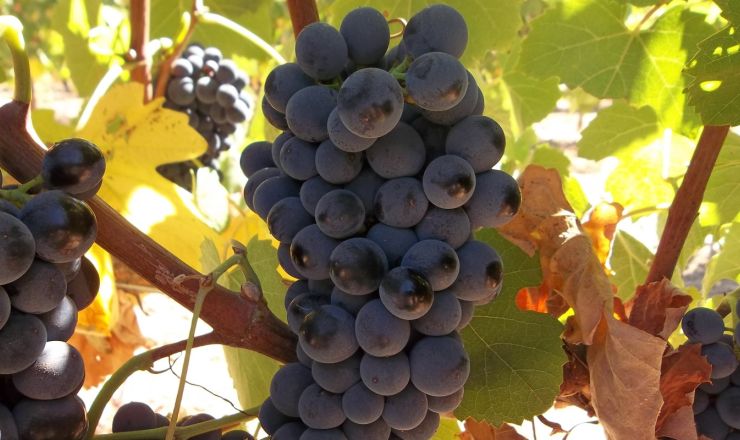
Drought tolerance of different scion cultivars (Part 4): Vegetative growth and yield
The study aimed to assess grapevine vegetative and yield responses in an almost worst-case scenario, i.e. grapevines growing under dryland conditions in sandy loam soil in the Swartland region.
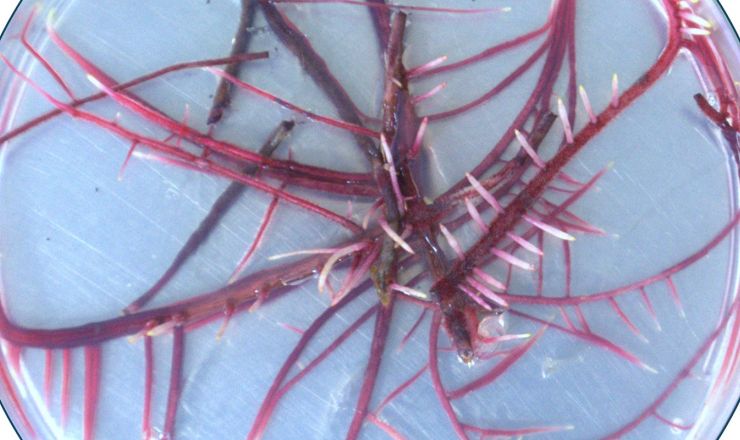
Hairy roots - a biotechnological tool for grapevine improvement
Hairy roots arise when the phytopathogenic bacterium, Rhizobium rhizogenes inserts DNA into a wounded plant’s genome, triggering the formation of rapidly growing root masses. The rapid growth and relatively fast establishment of hairy roots led to their use in laboratories, where they are used to…
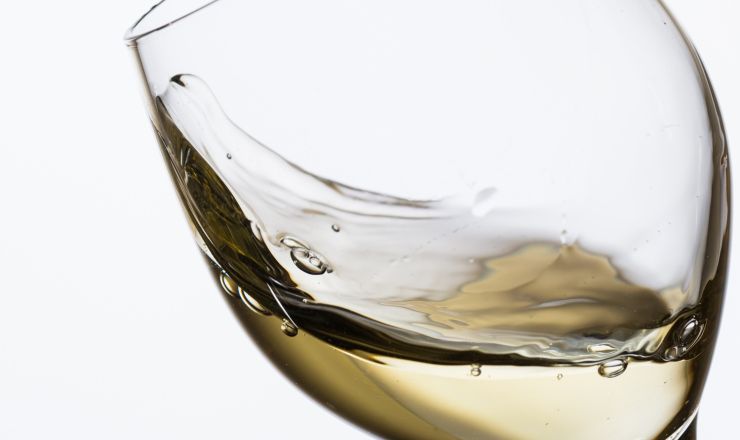
To swirl or not to swirl? - that is the question... (Part 2)
This study investigated the sensory suppression effects of H2S on tropical fruit characters and evaluated whether the perceived improvement following swirling is a result of chemical oxidation or physical volatilisation.

Q&A with Jose Luis Aleixandre-Tudo
Jose Luis Aleixandre-Tudo is an Associate Professor in the Department of Food Technology at the Universitat Politècnica de València, Spain, and an Extraordinary Senior Lecturer in the Department of Viticulture and Oenology at Stellenbosch University, South Africa.
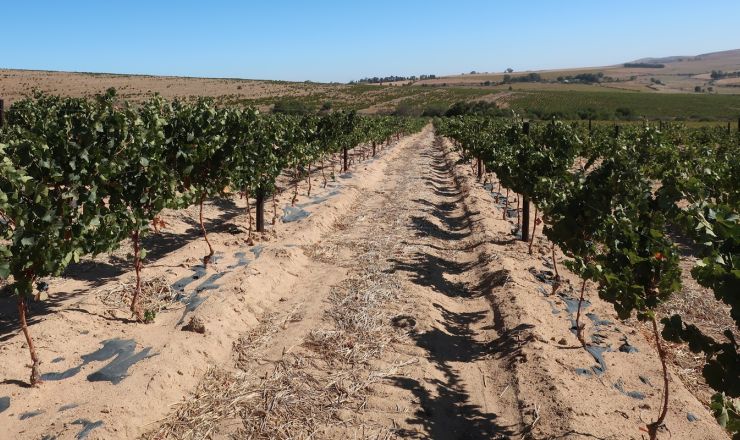
Drought tolerance of different scion cultivars (Part 3): Grapevine water status
the objective of the study was to assess the grapevine water status of selected reference and alternative scion cultivars under dryland conditions in the Swartland region. It must be noted that the study aimed to assess grapevine responses in an almost worst-case scenario, i.e. grapevines growing…
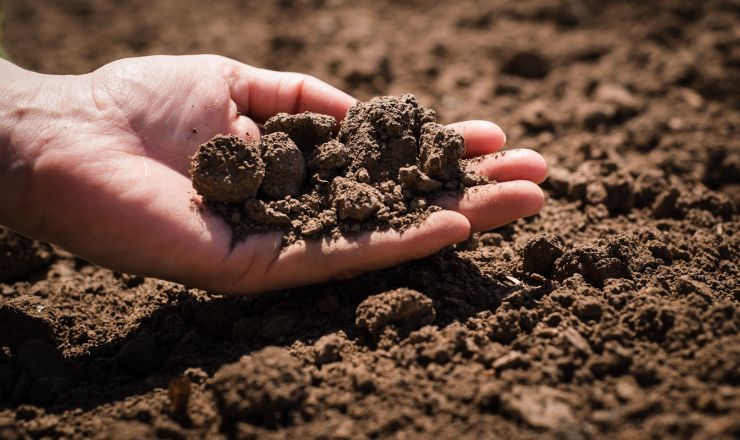
Q&A with John-Murray Visser
John-Murray Visser is a PhD candidate in the Department of Soil Science at Stellenbosch University, where he also works as a senior research assistant.
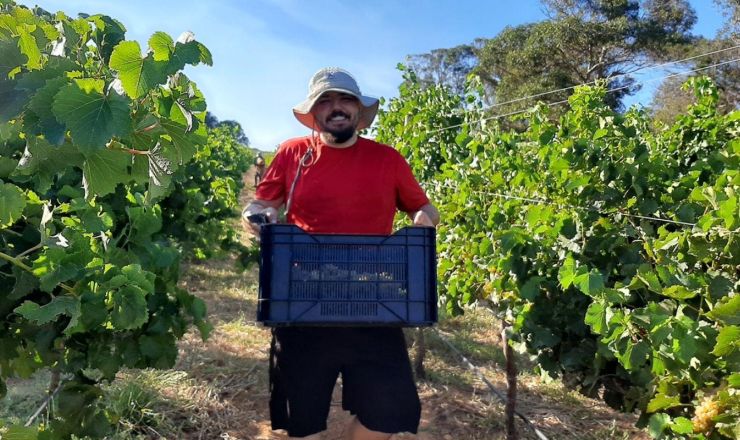
Quality grapes with limited water
This study is unique in that it is the first study to provide data on vines subjected to water-restricted conditions from the day that they were planted. It is important, because it contributes towards ensuring sustainable and profitable production of quality wine grapes in South Africa, even in…
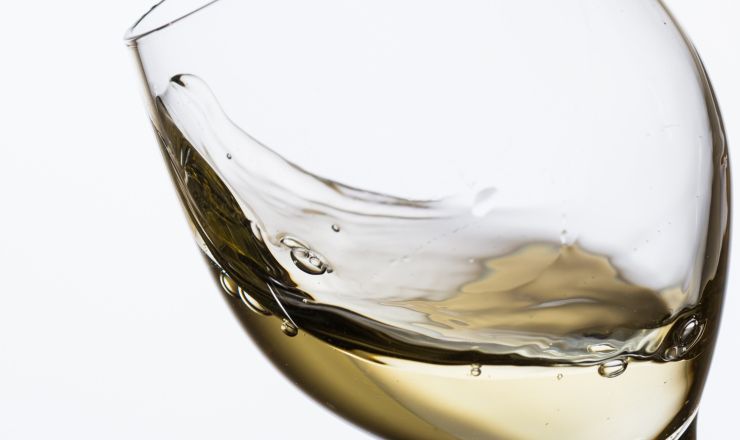
To swirl or not to swirl? - that is the question... (Part 1)
This study looked at both chemistry and sensory perception in model wine with different varietal thiol and H2S levels. Using a model wine, they were able to manipulate the varietal thiol and free H2S at low and high levels and assessed sensory changes after different glass swirling regimes.