
Department of Agriculture embraces Fourth Industrial Revolution with cutting edge satellite technology
· 2 min read
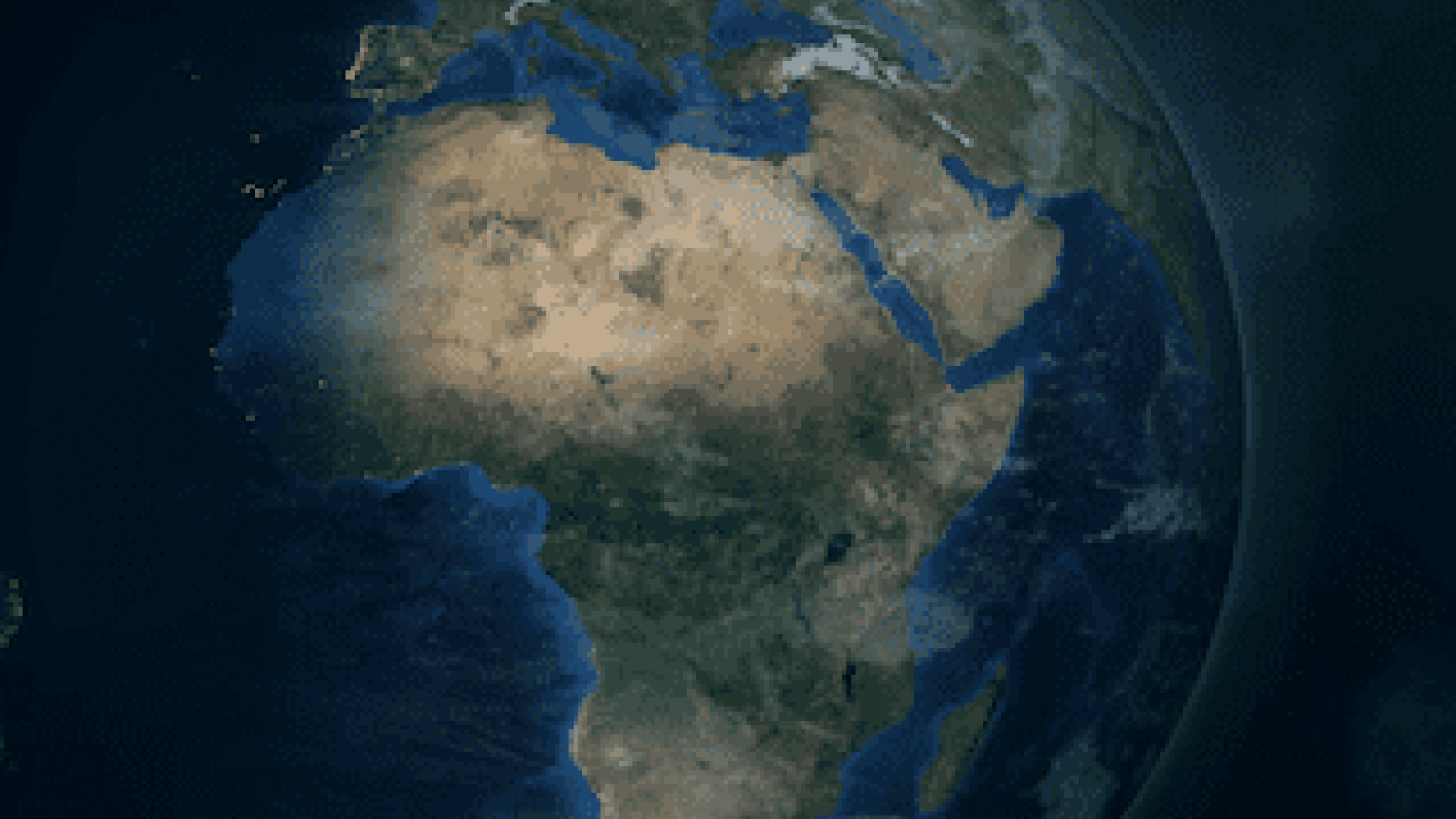

The Department of Agriculture in the Western Cape is at the forefront of using technology to enhance sustainable farming, and as part of its initiative to embrace the fourth industrial revolution, has introduced Sentinel-2 earth observation technology.
Sentinel-2 is an earth observation satellite mission developed by the European Space Agency as part of their Copernicus Programme to perform terrestrial observations in support of a wide range of services, including agriculture.
Sentinel-2 is groundbreaking in agriculture and with 10-20m spatial resolution and a five-day revisit frequency, it represents a considerable improvement on the old agricultural remote sensing products.
Sentinel-2 also provides free access to data.
The department has developed a Sentinel portal and remote sensing tools which will leverage the extraordinary wealth of agriculturally relevant satellite data in an integrated platform which hides the complexities from non-specialist users.
These tools provide rapid access to near real-time information on vegetation (veld) and crop conditions resulting in quicker information flow and better decision making and understanding. It also allows for rapid assessment of natural disaster impacts such as fire scar extents, drought, crop failure and pest and disease damage. It also allows for a better assessment of crop conditions and resource use and is therefore particularly useful in the study of the impact of climate change.
Previously the only option to access satellite imagery was to browse through catalogues of images, select suitable cloud-free images and then download and archive each image, with all its multispectral wave bands. This process was both laborious and highly data-intensive, whilst the subsequent analytical workflows required specialist skills and expensive software.
Sentinel-2 also makes use of cloud based services, which streamlines workflow.
The Department is currently exploring some of these cloud-based services in their geographic information system (GIS) and their very popular online tool, CapeFarmMapper (CFM).
Research commissioned by the Department and conducted by the University of Stellenbosch Business School last year revealed that in order for the Western Cape to achieve an “agri-renaissance”, the fourth industrial revolution should be embraced, and affordable technology be made more widely available.
Minister of Economic Opportunities, Beverley Schafer said: “The Sentinel-2 portal is a free-access space where ground breaking satellite imaging technology can be accessed and used to develop agriculture, respond to disasters and study the impacts of climate change. By making these tools available, the Department is contributing towards sustainable farming and the development of a food-secure province through the intelligent use of technology.”

More from
Innovation and insights
Hairy roots - a biotechnological tool for grapevine improvement
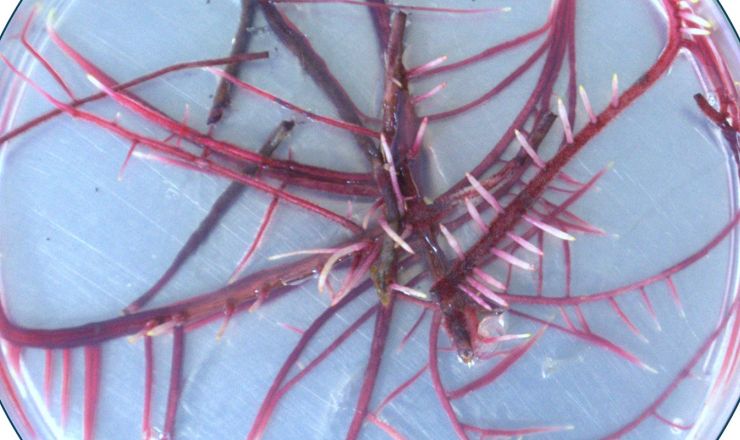
Hairy roots arise when the phytopathogenic bacterium, Rhizobium rhizogenes inserts DNA into a wounded plant’s genome, triggering the formation of rapidly growing root masses. The rapid growth and relatively fast establishment of hairy roots led to their use in laboratories, where they are used to…

To swirl or not to swirl? - that is the question... (Part 2)
This study investigated the sensory suppression effects of H2S on tropical fruit characters and evaluated whether the perceived improvement following swirling is a result of chemical oxidation or physical volatilisation.

Q&A with Jose Luis Aleixandre-Tudo
Jose Luis Aleixandre-Tudo is an Associate Professor in the Department of Food Technology at the Universitat Politècnica de València, Spain, and an Extraordinary Senior Lecturer in the Department of Viticulture and Oenology at Stellenbosch University, South Africa.