
AI and automation lead the way at SIMEI 2026
From smarter fermentation to water-saving bottling systems, this year’s SIMEI Innovation Challenge winners offer a glimpse of where winery technology is heading.
· 2 min read
Artificial intelligence, automation and more efficient use of water and energy are influencing the next generation of winery equipment. The winners of the 2026 Lucio Mastroberardino Innovation Challenge, announced ahead of SIMEI in Milan, show just how quickly these technologies are finding their way into cellars and bottling lines.
This year’s competition recognised four Technology Innovation Award winners, four Green Innovation Award winners and 12 New Technology innovations. The awards will be presented on 17 November during the opening of SIMEI, which runs from 17 to 20 November at Fiera Milano Rho.
Among the technology winners is Elyra, a bottling system developed by Bertolaso of Omnia Technologies. Its redesigned valves and compact tank are designed to reduce water consumption during cleaning, simplify maintenance and handle different products without compromising quality.
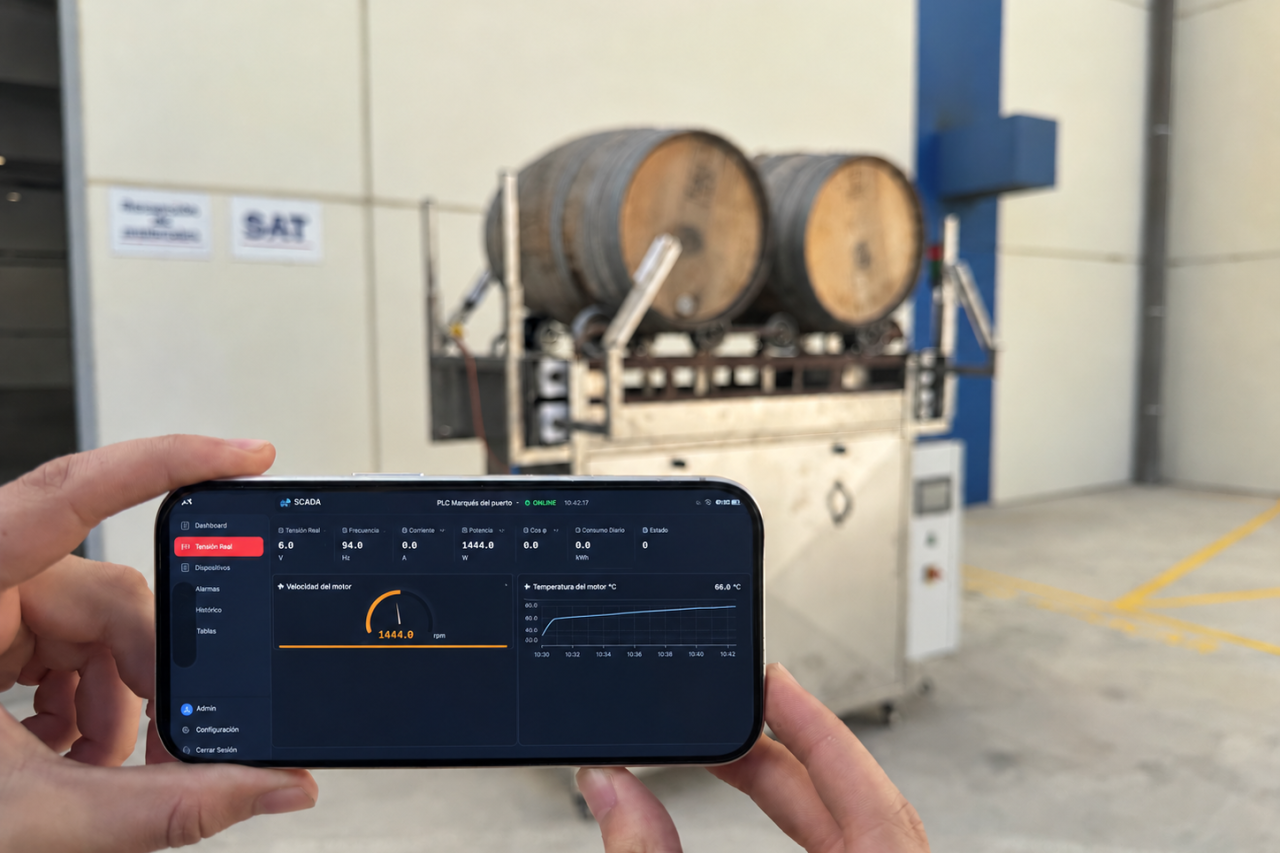
Fermentation is also getting smarter. HTS Enologia's IntraSense and MetaFerm technologies combine real-time monitoring with data from previous fermentations to help winemakers manage and refine the process. Omnia Technologies’ Virtual5 takes automation further, using AI, cloud connectivity and digital simulations to monitor production equipment and anticipate operational needs.
Sustainability featured prominently among the winners. Bucher Vaslin’s Flavy FGCM filtration system aims to reduce water and energy consumption when processing must and wine with high levels of suspended solids. Meanwhile, Logichem’s GoLo dealcoholisation system uses an integrated heat pump to reduce power consumption by 70%, according to the company.
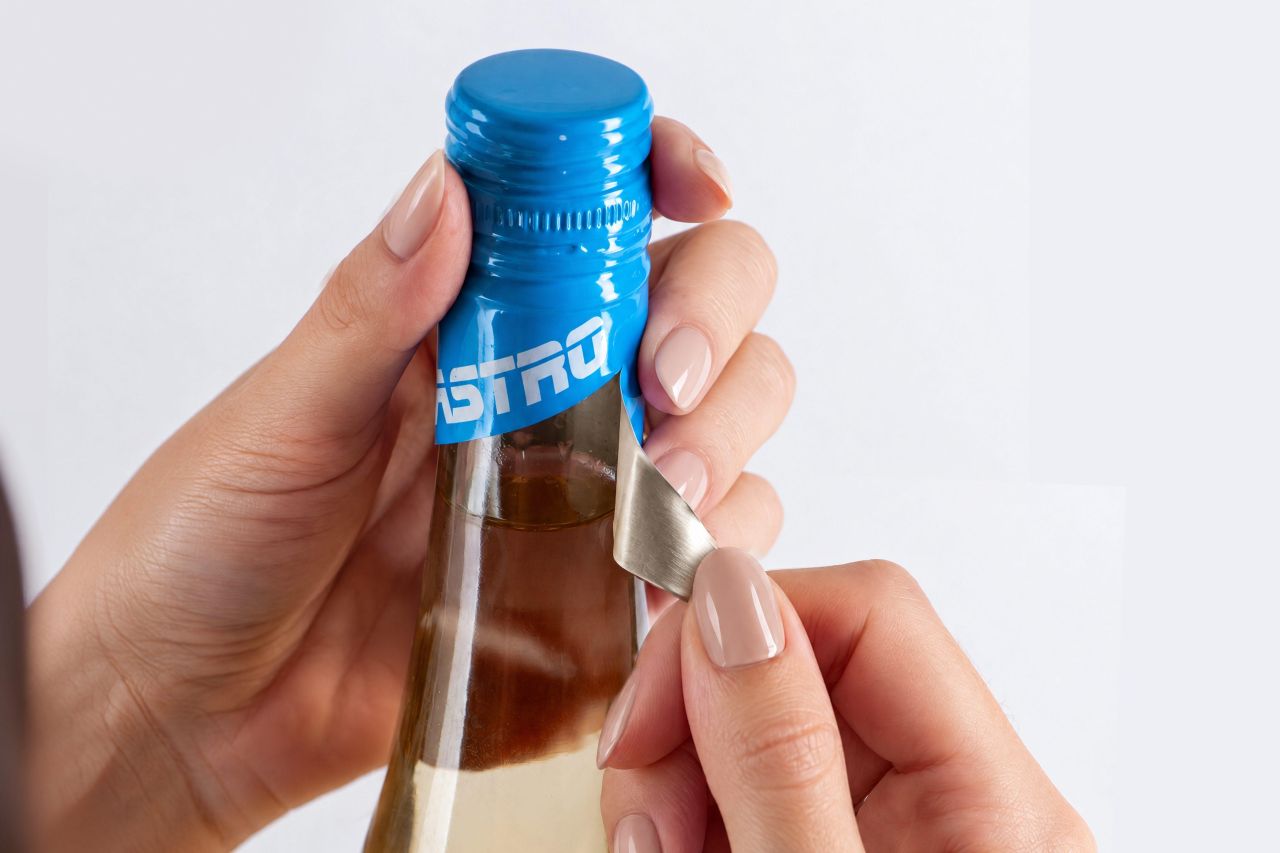
Packaging innovations also attracted attention. Crealis Group’s Virtuo capsule is made from 100% recycled tin, with a reported 61% reduction in CO₂ emissions during production. Astro's Altair capsule is designed to make aluminium easier to separate from glass bottles for recycling.
For South African wineries, the developments are worth watching. Rising production costs, pressure on resources and the need to improve efficiency are familiar challenges. Technologies that reduce waste, simplify processes and give winemakers better information could become increasingly relevant, although their practical value will depend on cost, scale and suitability for individual cellars.
For wineries, the real value of these technologies will be in the everyday jobs they make easier, whether that means using less water, cutting energy costs or having better control over what happens in the cellar.
WineLand Media is an official media partner of SIMEI 2026.

More from
Innovation and insights
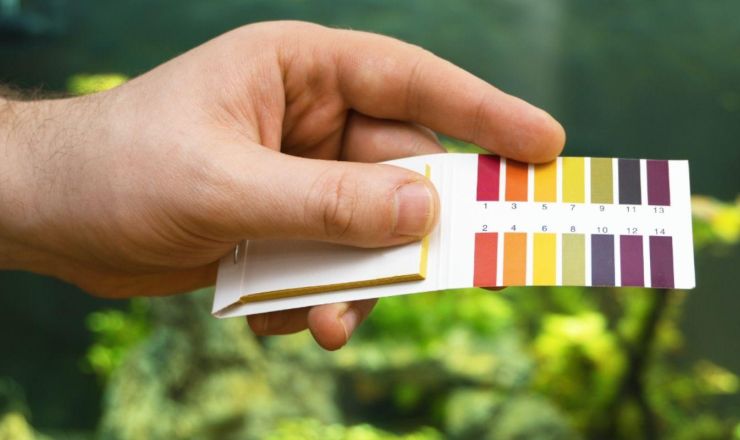
High pH winemaking - risks and solutions
This article examines the implications of elevated pH and reduced acidity in must and wine, and presents LAFFORT® solutions to address these challenges.
Meet the researcher: Getting ahead of the fungus
What happens in a vineyard long before powdery mildew becomes visible? Dr Minette Havenga is studying how fungal pathogens survive, spread and respond to fungicides. We talk research, resistance and why, if she weren’t a scientist, she might be investigating something entirely different.
Wine’s next big innovation might not come from wine
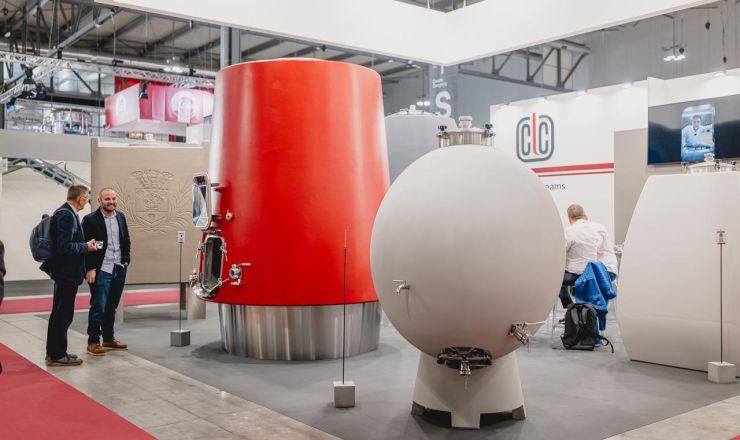
The global market for beverage and liquid food machinery is worth R829.02 billion. As SIMEI prepares to open in Milan in November, new figures suggest that packaging, automation and technologies shared across industries could change the next chapter of winemaking.